
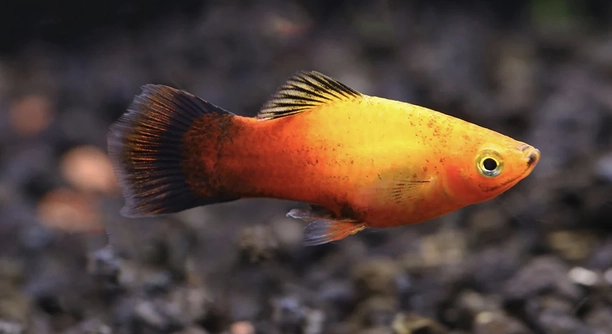
Platies are popular freshwater fish known for their vibrant colors and ease of care. Many aquarium enthusiasts enjoy watching them breed and grow. Understanding what encourages platies to reproduce can help maintain a healthy and thriving tank environment.
Platies are more likely to breed when provided with stable water conditions, a balanced diet rich in nutrients, and ample hiding spaces. These factors create a comfortable environment that supports their natural reproductive behaviors and increases breeding success.
Knowing these conditions can improve your platies’ well-being and help you create a better habitat for their growth. This article will explain the key factors influencing platy breeding.
Ideal Water Conditions for Platy Breeding
Maintaining stable water conditions is essential for platies to breed successfully. Platies thrive in water with a temperature between 72°F and 78°F (22°C to 26°C). Sudden temperature fluctuations can stress them, reducing their willingness to reproduce. The pH level should be neutral to slightly alkaline, ideally between 7.0 and 8.2. Regular water changes are important to keep ammonia, nitrite, and nitrate levels low, as poor water quality can negatively affect breeding behavior. Clean water with proper filtration supports the health of both adult fish and fry. Providing gentle water flow rather than strong currents helps platies feel secure, encouraging mating. In addition, a well-planted tank with hiding places creates a safe environment for fry, increasing survival rates. Attention to these water parameters makes a noticeable difference in breeding activity and overall fish health.
Water quality and stability create the foundation for platy reproduction by reducing stress and promoting natural behavior.
A consistent aquatic environment supports both the adults and their young, allowing for better growth and development of fry over time.
Nutrition’s Role in Encouraging Platy Reproduction
Platies require a balanced diet to maintain their energy and reproductive health. A mix of high-quality flakes, pellets, and occasional live or frozen foods such as brine shrimp or bloodworms provides essential proteins and vitamins. Proper nutrition boosts fertility and enhances the vitality of both males and females. Overfeeding can harm water quality, so feeding small amounts two to three times daily is best. Including vegetables like blanched spinach or zucchini helps provide necessary fiber. Healthy females produce more viable eggs, and males become more active in courtship when well-nourished. Observing their feeding behavior also helps detect any health issues early. Good nutrition is a simple yet powerful factor that increases the chances of successful breeding and healthy offspring development.
A varied and nutritious diet improves platies’ reproductive capacity and overall well-being.
Feeding habits influence not only breeding success but also the vitality of fry as they grow.
Providing Adequate Hiding Spaces
Platies feel safer when there are plenty of hiding spots in the tank. This encourages natural breeding behavior and protects the fry from adult fish.
Plants, caves, and decorations offer necessary cover. Dense vegetation mimics their natural environment, helping females hide during pregnancy and giving fry a place to escape. Without sufficient shelter, stress can rise, and breeding may slow down. Adding floating plants also helps diffuse light, creating a calm atmosphere. These hiding spots promote confidence among platies, allowing them to focus energy on reproduction instead of survival. Simple additions to the tank can make a significant difference in breeding success and fry survival.
Hiding spaces are essential for reducing stress and promoting natural behaviors.
Providing a variety of secure areas supports both adult platies and their young, improving overall tank harmony.
Managing Tank Population for Breeding Success
Overcrowding in the tank reduces breeding chances as competition and stress increase. Keeping the population balanced ensures enough space and resources for all fish. A general rule is to have one inch of fish per gallon of water. Removing aggressive or overly dominant individuals can improve social dynamics. Separating pregnant females or moving fry to a nursery tank helps protect young fish from being eaten. Monitoring population density prevents water quality issues that can hinder breeding. Maintaining a moderate number of platies promotes healthier interactions and supports reproduction. A well-managed tank population creates a stable environment where breeding can thrive.
Proper population control reduces stress and competition, which are barriers to reproduction.
Balancing numbers ensures resources and space are sufficient, supporting natural breeding and healthy fry development.
Light and Temperature Control
Consistent lighting helps regulate platies’ natural rhythms and encourages breeding. Aim for about 10 to 12 hours of light daily to mimic their natural environment. Sudden changes in light or temperature can disrupt their behavior.
Maintaining stable water temperature between 72°F and 78°F is crucial. Avoid rapid shifts, which cause stress and reduce breeding activity. A heater and timer for lights can help keep conditions steady.
Selecting Healthy Breeding Stock
Healthy adult platies are more likely to reproduce successfully. Choose fish with vibrant colors, active behavior, and no visible signs of illness. Strong genetics improve fry vitality and growth rates.
Separating Pregnant Females
Separating pregnant females can protect fry from being eaten. A breeder box or nursery tank offers safety during birth and early growth stages.
Avoiding Stress Factors
Stress decreases breeding chances. Minimize loud noises, overcrowding, and sudden changes in tank conditions to keep platies comfortable.
FAQ
What is the best temperature for platy breeding?
Platies breed best between 72°F and 78°F (22°C to 26°C). Keeping the temperature stable within this range helps reduce stress and encourages natural breeding behavior. Avoid sudden changes in temperature, as they can negatively impact breeding success and fish health.
How often should I feed platies to encourage breeding?
Feed small amounts two to three times daily. A varied diet including flakes, pellets, and occasional live or frozen foods like brine shrimp or bloodworms provides essential nutrients. Overfeeding should be avoided to maintain water quality and prevent health issues.
Can platies breed in a community tank?
Yes, but breeding success is higher when conditions are controlled. Other fish may eat the fry, so providing plenty of hiding places or separating pregnant females improves fry survival. Managing tank population and stress levels also supports breeding.
How can I tell if a platy is pregnant?
Pregnant females develop a dark gravid spot near their anal fin. Their abdomen becomes noticeably rounder as fry grow. Behavior may change, with females seeking hiding spots more often. Pregnancy usually lasts around 24 to 30 days.
Should I separate fry from adult platies?
Separating fry is recommended to protect them from being eaten by adults. Using a breeder box or a separate nursery tank increases fry survival rates. Once fry are large enough to avoid predation, they can be safely reintroduced.
What kind of plants work best for breeding tanks?
Live plants with dense foliage like Java moss, hornwort, and water wisteria provide excellent cover for fry. Floating plants help diffuse light and create a calm environment. Plants also improve water quality, benefiting both adults and young.
Does lighting affect platy breeding?
Yes, consistent lighting of 10 to 12 hours per day supports natural rhythms and breeding behavior. Sudden changes or too much light can cause stress. Using a timer helps maintain a steady light schedule.
How do I prevent stress in my platies?
Keep tank conditions stable with regular water changes and consistent temperature. Avoid overcrowding and aggressive tank mates. Minimize loud noises or sudden disturbances near the tank. Providing hiding spaces also reduces stress.
Can platies breed year-round?
With stable water conditions, proper nutrition, and a stress-free environment, platies can breed throughout the year. However, maintaining these factors consistently is key to continuous breeding success.
What should I do if platies stop breeding?
Check water quality, temperature, and diet first. Stress, overcrowding, or poor nutrition are common reasons for halted breeding. Adjusting these factors and adding hiding spaces often helps restore breeding activity.
How long does it take for platy fry to grow?
Fry grow quickly under good conditions, typically reaching maturity in about 3 to 4 months. Regular feeding of appropriate food like finely crushed flakes or baby brine shrimp supports healthy development.
Is it necessary to have both males and females for breeding?
Yes, platies are livebearers requiring males to fertilize the females. A ratio of one male to two or three females is recommended to reduce stress on females from persistent male attention.
Can platies breed with other livebearers?
Platies can hybridize with other closely related species like swordtails. While this is possible, it may affect the traits and health of offspring. Keeping species separate helps maintain genetic consistency.
How important is water pH for breeding?
Maintaining a neutral to slightly alkaline pH of 7.0 to 8.2 supports breeding. Extreme pH levels can cause stress and reduce reproductive success. Regular testing and adjustments keep the environment optimal.
What signs indicate successful breeding?
Signs include frequent mating behavior, pregnant females with gravid spots, and eventually, small fry swimming freely in the tank. Healthy fry show active movement and good appetite after birth.
Final Thoughts
Platies are generally easy to care for, but encouraging them to breed requires attention to a few important details. Providing a stable environment with the right water temperature, pH, and quality is essential. Consistency in these conditions helps reduce stress and promotes natural breeding behavior. Regular monitoring of the tank ensures that changes in water parameters don’t go unnoticed. Adding live plants and decorations not only improves the look of the tank but also gives platies the hiding spaces they need. These safe areas allow females to feel secure during pregnancy and give fry places to escape from adult fish. Simple adjustments like these can greatly improve breeding success.
Nutrition also plays a significant role in platy breeding. Feeding a balanced diet that includes a mix of flakes, pellets, and occasional live or frozen foods keeps both males and females healthy. Healthy fish are more likely to reproduce successfully and produce stronger offspring. Overfeeding should be avoided, as it can harm water quality and lead to health problems. Keeping the tank population at a reasonable level prevents overcrowding and competition, which can increase stress and reduce breeding activity. Separating pregnant females or providing nursery tanks for fry helps protect the young and improve their chances of survival. Managing these factors shows a practical approach to supporting the full lifecycle of platies.
Overall, breeding platies is about creating and maintaining the right conditions rather than relying on any single factor. Water quality, nutrition, tank setup, and population management all work together to encourage reproduction. Observing your fish regularly will help you spot early signs of pregnancy or any issues that need attention. When platies are comfortable and stress-free, breeding happens more naturally. This makes caring for these colorful fish more rewarding. Paying close attention to their needs ensures not only successful breeding but also healthier fish and a thriving aquarium environment.

Hello,
If you enjoy the content that we create, please consider saying a "Thank You!" by leaving a tip.
Every little bit helps us continue crafting quality advice that supports the health, happiness, and well-being of pets around the world, for pets of all shapes, sizes, and species.
We really appreciate the kindness and support that you show us!