
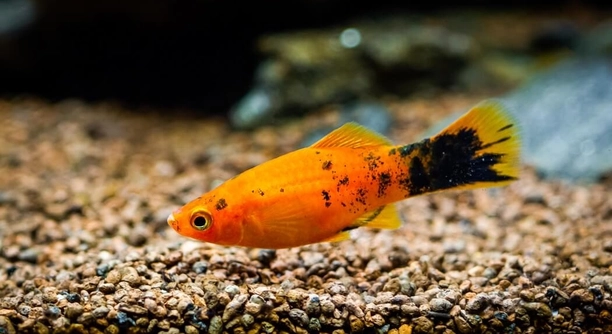
Platies are small, colorful freshwater fish that many people enjoy keeping in home aquariums. Their playful nature and active swimming habits make them popular among fish enthusiasts. Exploring how these fish interact with their environment can reveal interesting behaviors.
Research shows that platies possess the ability to learn and adapt to obstacle courses. Through repeated exposure, they demonstrate improved navigation skills, indicating a capacity for spatial learning and memory. These findings highlight the cognitive abilities of platies beyond simple reflexes.
This article explores the ways platies engage with obstacles and what this reveals about their intelligence and behavior in captivity. Understanding these aspects can enhance aquarium care and enrichment strategies.
How Platies Respond to Obstacles
Platies are naturally curious fish, and they explore their surroundings actively. When introduced to an obstacle course, they don’t immediately understand it, but they begin to investigate carefully. At first, platies may swim around the barriers or try to find ways through small gaps. Over time, they show signs of learning by choosing more efficient routes. This behavior suggests that platies can remember the layout of obstacles and adapt their movements to avoid difficulty. Observations reveal that they become quicker and more confident as they repeat the course. This process highlights their ability to adjust behavior based on experience, which is not often expected from small aquarium fish. The obstacles serve as a form of mental stimulation that encourages problem-solving. It also shows that providing environmental challenges can keep platies active and engaged, which is important for their well-being in captivity.
Platies use visual cues to help guide their movements through obstacles, relying on memory after repeated attempts.
Keeping obstacle courses varied can encourage continuous learning and prevent boredom in platies. Changing course layouts slightly forces the fish to rethink their routes. This can enhance their problem-solving skills and keep them mentally sharp. Some studies also show that social interaction with other platies during obstacle navigation improves their learning speed. When placed in groups, platies observe each other’s behaviors and can imitate successful paths. This group dynamic supports their cognitive development. Additionally, the complexity of the obstacles influences their performance. Simple barriers are quickly mastered, but more complex setups require longer learning periods. Such environmental enrichment is valuable for fish health, reducing stress and promoting natural behavior. Overall, obstacle courses not only stimulate platies physically but also offer a meaningful way to support their intelligence and happiness in captivity.
Training Techniques for Platies
Positive reinforcement is key when training platies. Using food rewards encourages them to interact with the obstacle course.
Training platies requires patience and consistent practice. Short, regular sessions work best to build their skills. Avoid overwhelming them with too many obstacles at once. Start with simple barriers and gradually increase difficulty as they improve. Use gentle guidance with food to lead them through the course. Observing their responses helps tailor the training pace. Rewarding small successes keeps the fish motivated and reduces stress. Repetition is important but should be balanced to avoid fatigue. The use of varied treats can maintain interest and make training more effective. Tracking progress over time shows the development of their navigation abilities. Consistent training not only improves obstacle navigation but also strengthens the bond between keeper and fish through shared interaction. This method encourages platies to engage more actively with their environment, supporting overall health and enrichment.
Common Challenges in Obstacle Navigation
Platies may hesitate when first encountering obstacles. Stress or unfamiliarity can slow their progress. It’s important to introduce changes gradually to reduce anxiety and allow adjustment.
Fish sometimes avoid complex obstacles due to perceived risk or confusion. Sudden movements or bright colors in the environment can also startle them, causing reluctance to explore. Maintaining calm surroundings and familiar tank mates helps build confidence. Observing the fish’s behavior closely allows for adjustments in the obstacle design or training approach to better suit their comfort levels. Ensuring the obstacles are appropriately sized prevents frustration or injury, keeping the learning experience positive. Gradual exposure combined with gentle encouragement helps platies overcome hesitation and improves their obstacle navigation skills steadily over time.
Some platies may take longer to adapt, but patience and consistent training yield better results. It is useful to monitor their stress signals and modify the course if needed. Recognizing individual differences among platies helps tailor the experience. While some fish quickly master the tasks, others require extra support and simplified challenges to build confidence. Positive reinforcement and rewarding successful attempts encourage progress. Avoid forcing the fish through obstacles to prevent distress. A calm, steady approach leads to improved learning and a more enjoyable environment for the platies overall.
Benefits of Obstacle Courses for Platies
Obstacle courses provide physical exercise that keeps platies healthy and active. Movement through various challenges prevents lethargy common in confined tanks.
Mental stimulation from navigating obstacles promotes cognitive development in platies. Engaging their problem-solving skills reduces boredom and stress. Physical and mental enrichment contributes to longer lifespan and better overall health. These activities encourage natural behaviors that might be limited in typical aquarium setups. Enriched environments also improve social interactions among platies, supporting their well-being. Obstacle courses can be a valuable tool in aquarium care, promoting a balanced and dynamic habitat that benefits the fish beyond basic survival. Regularly changing the setup maintains interest and continued growth.
Setting Up an Obstacle Course
Choose safe, non-toxic materials for obstacles to avoid harming platies. Smooth edges and stable placement prevent injuries during navigation.
Keep the course size appropriate for the tank and fish. Avoid overcrowding to allow easy movement and clear pathways for platies.
Observing Platy Behavior During Training
Watching platies closely reveals how they respond to obstacles. Their swimming patterns and hesitation points show which parts challenge them most.
Note any signs of stress or avoidance. Adjust the difficulty or layout based on these observations to keep training positive and effective.
Enhancing Aquarium Enrichment
Adding varied plants, hiding spots, and obstacles creates a stimulating environment. This variety encourages natural behaviors and exploration.
Regularly changing the setup keeps platies interested and promotes continuous mental engagement and physical activity.
FAQ
Can platies really learn to navigate obstacle courses?
Yes, platies have demonstrated the ability to learn and adapt when exposed to obstacle courses repeatedly. They use memory and visual cues to find efficient routes through the obstacles. This learning process shows that platies are capable of spatial awareness and problem-solving, skills not always expected in small aquarium fish.
How long does it take for platies to learn an obstacle course?
The time varies depending on the complexity of the course and the individual fish. Some platies may take only a few days with consistent exposure, while others might need weeks to show noticeable improvement. Patience and regular, gentle practice are key to helping platies adapt.
What kind of obstacles work best for platies?
Simple barriers such as smooth rocks, plants, or small tunnels are effective starting points. These obstacles encourage natural exploration without overwhelming the fish. Gradually increasing difficulty by adding more complex shapes or narrower gaps helps maintain their interest and challenge their skills.
Is training platies with obstacle courses stressful for the fish?
When introduced slowly and with care, obstacle courses can actually reduce stress by providing mental and physical stimulation. However, sudden changes or overly complex setups may cause anxiety. Monitoring behavior and adjusting the course to the fish’s comfort level helps prevent stress.
Can all platies learn equally well?
No, individual differences affect learning speed and ability. Some platies are naturally more curious and confident, while others may be shy or less interested in exploring. Tailoring training to each fish’s personality and progress improves success.
How often should obstacle training sessions be held?
Short, frequent sessions are best. Around 5 to 10 minutes per session, a few times a week, is effective. This keeps training manageable and prevents fatigue or boredom. Consistency helps reinforce learning.
Do platies need social interaction during training?
Platies are social fish, and training in groups can enhance learning. Observing others navigate obstacles helps them imitate successful behaviors. Group settings also reduce stress, making training more effective.
What benefits do obstacle courses provide beyond entertainment?
Obstacle courses offer physical exercise and mental stimulation, improving overall health. They encourage natural behaviors, reduce boredom, and can increase lifespan by promoting activity and engagement in captive environments.
Can obstacles harm platies?
If materials are safe, smooth, and properly placed, obstacles should not harm platies. Avoid sharp edges or unstable structures that could injure or trap fish. Regular inspection of the course ensures safety.
How do I know if my platy is stressed by the course?
Signs include rapid or erratic swimming, hiding excessively, or refusing to approach obstacles. If these behaviors occur, simplify the course or reduce training frequency. Providing familiar hiding spots can help the fish feel secure.
Can obstacle courses be used with other fish species?
Yes, many small freshwater fish show similar learning abilities. However, it’s important to research each species’ behavior and needs to design appropriate courses that are safe and engaging for them.
What role does diet play in obstacle course training?
Food rewards motivate platies during training. Offering small treats or favorite foods encourages interaction and helps associate the course with positive experiences. Avoid overfeeding by balancing rewards with regular meals.
Is it necessary to change the obstacle course regularly?
Yes, changing the course prevents platies from becoming bored and encourages continued learning. Introducing new challenges keeps their problem-solving skills sharp and maintains physical activity.
How can I start an obstacle course if I’ve never tried it before?
Begin with a few simple obstacles in a familiar part of the tank. Use food to guide platies through the course gently. Watch their reactions and adjust the difficulty as they become more comfortable and skilled.
Are there any special tools or equipment needed?
No special equipment is required. Household aquarium-safe items like smooth rocks, plastic plants, or tunnels can be arranged to create obstacles. Ensure everything is clean and safe for aquatic life.
Can obstacle training improve platies’ social behavior?
Yes, obstacle courses encourage interaction among platies. Group training sessions promote observation and imitation, strengthening social bonds and reducing aggression.
What mistakes should be avoided during obstacle training?
Avoid rushing progress or forcing fish through obstacles. Overcomplicating the course early on or neglecting signs of stress can hinder learning. Consistent, gentle encouragement is more effective.
How do I measure progress in obstacle navigation?
Track how quickly platies complete the course and how confidently they move. Noting reduced hesitation and smoother paths indicates learning. Keeping simple records helps assess improvement over time.
Can obstacle courses help with fish health problems?
While not a treatment, obstacle courses promote activity and reduce boredom, which can improve overall well-being. Active fish tend to have stronger immune systems and better physical condition.
Are platies more intelligent than other common aquarium fish?
Platies show notable cognitive abilities, but intelligence varies across species. Their learning capacity for obstacle navigation places them among fish known for adaptability and problem-solving skills.
Can obstacle courses be a form of enrichment in small tanks?
Yes, even small tanks can include simple obstacle setups. Careful design ensures enough space for swimming while adding mental stimulation to improve quality of life.
This FAQ addresses common questions and helps understand how obstacle courses benefit platies, supporting better care and enrichment.
Platies are often seen as simple fish that brighten up an aquarium with their colors and movement. However, their ability to learn and navigate obstacle courses shows there is more to them than meets the eye. These small fish can adapt to new challenges and remember the layout of their environment. This indicates a level of intelligence that is not always expected from aquarium fish. Understanding this ability helps fish keepers appreciate their platies’ behavior in a new way. It also highlights the importance of providing stimulating environments to keep platies active and engaged.
Creating obstacle courses for platies offers multiple benefits. Physically, it encourages movement, which is essential for maintaining good health in captivity. Mentally, it provides challenges that promote cognitive skills like problem-solving and spatial awareness. These activities can reduce boredom and stress, common issues for fish kept in confined tanks. When platies are encouraged to explore and learn, they tend to display more natural and lively behaviors. This can improve their overall well-being and make caring for them more rewarding. The training process also builds a better relationship between the keeper and the fish, based on observation and gentle interaction.
It is important to remember that every platy is different. Some may take to obstacle courses quickly, while others may need more time and patience. Training should always be gentle and adjusted to the fish’s comfort level. Avoid forcing the fish or making the course too difficult too soon. Consistency and positive reinforcement, such as food rewards, help encourage progress. Changing the course layout occasionally keeps the fish interested and mentally stimulated. Overall, incorporating obstacle courses into platy care is a simple yet effective way to promote their health and happiness in an aquarium setting. This approach offers both physical exercise and mental enrichment, supporting the fish in a balanced and natural way.

Hello,
If you enjoy the content that we create, please consider saying a "Thank You!" by leaving a tip.
Every little bit helps us continue crafting quality advice that supports the health, happiness, and well-being of pets around the world, for pets of all shapes, sizes, and species.
We really appreciate the kindness and support that you show us!