
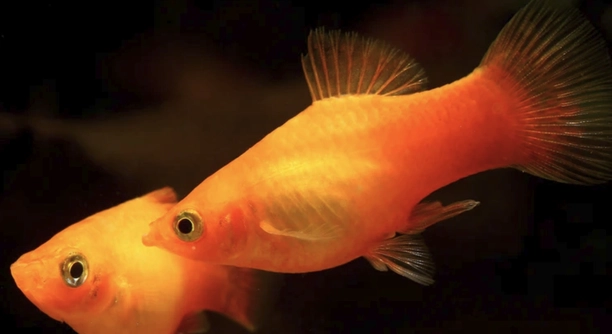
Are your platies swimming around the tank but refusing to eat at the same time? This can be confusing and a bit frustrating. Understanding what’s behind their feeding behavior can help you create a more peaceful aquarium environment.
Platies may not be eating together due to factors like stress, tank hierarchy, inconsistent feeding routines, or competition for food. Environmental conditions, such as water quality and lighting, can also affect their behavior during mealtimes.
Feeding habits often reveal what’s happening below the surface. Identifying the cause of this behavior can lead to better tank dynamics.
Uneven Tank Hierarchy Can Affect Feeding
Platies are social fish, but they still form a pecking order. Some may become more dominant and push others away during feeding time. This can lead to stress in the weaker fish, who might retreat and eat later or not at all. Dominant fish often claim the center of the tank where food is most visible and accessible. If your tank has limited feeding spots or too many fish, this issue becomes more noticeable. Providing multiple feeding areas and watching how each fish behaves can help you spot the imbalance. When fish don’t feel safe, they avoid competition and stay near hiding spots, which impacts their feeding pattern. It’s important to ensure that all your platies feel secure enough to eat openly. Keeping a balanced number of fish and rearranging decorations can reduce tension and shift focus during feeding time.
Uneven feeding behavior is often a sign that some fish feel unsafe. Addressing dominance can help restore balance.
Adding more plants or hiding spots helps create visual barriers, reducing stress from aggressive tank mates. When fish feel less threatened, they begin to eat with more confidence. Observing their behavior closely during feeding times can show if the adjustments are working. If certain platies still avoid the main area, continue adjusting the tank setup. Try scattering food across different areas to encourage more equal access. Over time, the changes you make can ease tension and allow even the shyest platy to eat comfortably. Always keep an eye on water quality as well, since poor conditions can make stress worse. Balanced environments support better eating habits and help each fish get the nutrients it needs.
Inconsistent Feeding Routine
Feeding your platies at different times each day can make them feel unsettled. They thrive on consistency, and irregular feeding patterns can lead to uneven eating behavior.
Platies quickly learn when to expect food, and feeding them at the same time each day helps create a sense of rhythm. When you skip times or change the routine, some fish may become hesitant or miss out altogether. This can result in some platies being more aggressive at the next feeding, while others become more reserved. A consistent routine can reduce anxiety and help all your fish eat together. Use the same spot and method when feeding, as it builds familiarity and comfort. Feeding small amounts twice a day works well for most tanks. Stick to a schedule that fits your day, and your platies will feel more secure, leading to better overall feeding behavior.
Poor Water Conditions Can Discourage Eating
Dirty or unbalanced water can stress your platies and make them lose interest in food. Even if the food is available, poor water quality may cause them to hide, breathe heavily, or act sluggish.
Regular water testing helps you track ammonia, nitrite, nitrate, and pH levels. Sudden changes in these values can affect your fish’s appetite. Platies prefer clean, stable water with a gentle current. If the tank is overcrowded or not cycled properly, waste builds up quickly. Cloudy water, strong smells, or fish gasping at the surface are signs of trouble. Clean your tank weekly and do partial water changes to keep levels safe. Adding a sponge filter or increasing oxygen through an air stone can improve overall tank health. Healthy water encourages normal behavior, including active feeding. Keep an eye on your filter and replace media as needed to maintain proper function.
If one or more platies continue to skip meals, even with clean water, monitor temperature and hardness. Drastic shifts can lead to discomfort, even when other water parameters seem fine. Water that’s too cold slows metabolism, while water that’s too hard can affect digestion. Use a reliable heater and thermometer to keep the temperature around 74–78°F. If you’re using tap water, be sure to dechlorinate and test for heavy metals, as those can disrupt the fish’s internal balance. Soft lighting, clean gravel, and gentle tank mates also help lower stress levels, which plays a role in appetite. Improving water conditions may not cause immediate changes, but with patience, your platies will regain confidence and begin eating together again.
Food Competition From Tank Mates
Fast or aggressive tank mates can scare shy platies away from the feeding zone. If food disappears quickly, not every fish gets their share, leading to inconsistent feeding patterns.
To reduce competition, feed your platies in different areas of the tank. You can also feed the faster or more aggressive fish first, then add more food in areas where shy platies feel safer. Some aquarists use feeding rings or slow-release feeders to help distribute food more evenly. Choose foods that sink slowly, giving all fish a fair chance to eat. Keeping peaceful species like tetras, guppies, or corydoras as tank mates works better with platies. Avoid pairing them with nippy or pushy fish that dominate during feeding. If possible, feed small amounts several times a day rather than one large feeding. This lowers tension and gives everyone a better chance to eat without rushing. Balanced feeding habits create a calmer tank overall.
Recent Changes in the Tank
New decorations, plants, or rearranged layouts can confuse or stress platies. They may need time to adjust, which can affect their feeding behavior. Even small changes can make them feel uncertain about their surroundings during mealtimes.
Introducing new fish can also disrupt feeding habits. Changes in social structure or increased competition might make timid platies withdraw during feeding. Allow time for everyone to settle before expecting normal behavior to return.
Illness or Internal Issues
If a platy stops eating or lingers away from food repeatedly, health problems might be the reason. Common issues include internal parasites, swim bladder disease, or bacterial infections. These can make it painful or difficult for them to eat. Watch for bloating, unusual swimming, color loss, or isolation. Sick fish often lose their appetite and won’t compete during feeding. Move any unwell fish to a quarantine tank and monitor them closely. Use appropriate treatments based on visible symptoms or consult a specialist if unsure. Healthy fish are more likely to eat together regularly and show interest in food.
Poor Food Quality or Type
Stale, expired, or unsuitable food may cause platies to ignore meals. Offer a variety of high-quality flakes, pellets, and frozen foods to keep their interest. Rotate food types to support appetite and nutrition.
FAQ
Why do my platies eat separately even though they are healthy?
Even healthy platies may eat apart because of social dynamics or environmental factors. Some fish naturally prefer to feed alone or avoid crowded spaces during meals. Individual personalities, minor tank disturbances, or subtle stressors like lighting or noise can cause this. It does not always indicate a serious problem, but monitoring behavior helps ensure all fish are eating enough.
Can tank size affect how my platies feed?
Yes, tank size plays a role in feeding behavior. Smaller tanks with limited space increase competition and stress during feeding. Overcrowding makes it hard for some fish to access food. A spacious tank with enough hiding spots and feeding areas supports more relaxed, simultaneous eating. Consider tank size when planning your platy community and feeding routine.
How often should I feed my platies to encourage group eating?
Feeding small amounts two to three times daily usually works best. Frequent feedings prevent hunger-driven aggression and reduce competition. This routine allows shy fish more chances to eat without rushing. Consistency in timing also helps platies anticipate feeding and feel more secure, encouraging them to feed together.
Is it normal for platies to refuse food sometimes?
Yes, platies may skip meals occasionally due to stress, water changes, or illness. Minor disruptions in their environment can temporarily lower appetite. However, persistent refusal to eat may signal health issues or poor water conditions. Regular observation and prompt action when problems arise ensure your platies stay healthy and well-fed.
What foods are best to promote healthy feeding behavior in platies?
Variety is key. High-quality flakes or pellets designed for tropical fish provide balanced nutrition. Supplement with frozen or live foods like brine shrimp and bloodworms to stimulate interest and natural feeding instincts. Avoid overfeeding or offering stale food, which can cause waste and reduce appetite. A diverse diet supports better health and more active feeding.
How can I reduce feeding competition among platies?
Provide multiple feeding spots to prevent crowding. Scatter food across the tank rather than dropping it in one place. Feeding slower or less aggressive fish first can also help. Using sinking pellets or slow-release feeders encourages fair food distribution. Creating hiding spaces reduces stress, allowing timid fish to eat without fear.
Could lighting affect my platies’ eating habits?
Yes, strong or harsh lighting may stress platies and change their behavior, including feeding. Soft, natural lighting simulates their ideal environment, helping them feel secure. Avoid sudden changes in light intensity during feeding times. Adjust lighting gradually to match their natural day-night cycle.
How do I know if my platies are stressed during feeding?
Signs include hiding, rapid swimming, fin clamping, or aggressive chasing. Stress may cause some platies to avoid the food or stay at the tank bottom. Poor appetite and sudden changes in behavior also indicate stress. Reducing noise, improving water quality, and offering plenty of hiding places help minimize these issues.
Should I quarantine new fish before adding them to my platy tank?
Yes, quarantining new fish for at least two weeks helps prevent disease spread and reduces stress on existing fish. It also allows you to observe feeding habits and behavior before mixing them with your platies. Healthy, well-adjusted new fish are less likely to disrupt feeding dynamics.
What role does temperature play in platies’ feeding behavior?
Temperature affects metabolism and appetite. Ideal temperatures between 74°F and 78°F keep platies active and hungry at feeding times. Water that is too cold slows digestion and feeding interest, while temperatures too high can stress fish and reduce appetite. Use a reliable heater and thermometer to maintain stable temperatures.
Can I train my platies to eat at the same time?
Platies respond well to routine. Feeding at the same times and locations daily helps them learn when to expect food. Over time, they may begin to gather and eat together more often. Consistency is key—avoid sudden changes in schedule or feeding method to reinforce this behavior.
What should I do if some platies still won’t eat with the group?
If certain fish remain isolated during feeding, try separate feeding areas or hand-feeding to build confidence. Monitor water parameters and tank conditions closely. Check for illness or injury that might prevent them from competing. Increasing hiding spots or rearranging tank decor can reduce stress and encourage group feeding.
Is it okay to use feeding rings or devices to manage feeding behavior?
Feeding rings can help keep food in specific areas, limiting competition and encouraging slower eaters. Automatic feeders or slow-release devices distribute food gradually, reducing rushes and aggression. Use these tools carefully to avoid overfeeding or water pollution. Monitor fish response and adjust as needed.
How does tank maintenance affect feeding?
Regular maintenance ensures clean water and reduces stress, which supports healthy feeding behavior. Remove uneaten food promptly to avoid water quality issues. Test water weekly and perform partial water changes to keep conditions stable. A well-maintained tank encourages confident, active feeding among all platies.
Are there signs of food aggression among platies?
Food aggression appears as chasing, nipping, or guarding food spots. Dominant fish may bully others, preventing them from eating. This behavior increases with overcrowding or limited food. Providing ample food, multiple feeding areas, and hiding places helps reduce aggression. Keep an eye on interactions to protect shy or weaker fish.
Platies are social fish, but their feeding habits can sometimes seem confusing. When they do not eat together, it often reflects underlying issues in their environment or tank dynamics. Many factors, such as stress, tank hierarchy, water quality, and feeding routines, influence their behavior. Understanding these factors helps to create a more comfortable space for your fish. With patience and observation, most feeding problems can be addressed effectively. It is important to remember that fish, like platies, respond to their surroundings, and small changes can make a big difference in how they behave during mealtimes.
Maintaining stable water conditions is essential to encouraging platies to eat together. Regular water tests, consistent temperature, and proper filtration reduce stress and support overall health. Stress from poor water quality can cause platies to hide or avoid food. Feeding routines also play a significant role. Fish become accustomed to regular feeding times and locations, which helps them feel secure and more willing to eat alongside their tank mates. In addition, providing enough space and food reduces competition, allowing even shy platies to get their share without fear of being chased or bullied.
Finally, paying attention to your platies’ individual needs helps promote harmony in the tank. Some fish may naturally prefer to feed separately or take longer to adjust to changes. Monitoring for signs of illness or stress is important because these issues often show first through changes in eating habits. Adjusting feeding methods, adding hiding spots, and carefully selecting tank mates can improve feeding behavior. With consistent care and understanding, your platies can develop a peaceful feeding routine that supports their health and wellbeing.

Hello,
If you enjoy the content that we create, please consider saying a "Thank You!" by leaving a tip.
Every little bit helps us continue crafting quality advice that supports the health, happiness, and well-being of pets around the world, for pets of all shapes, sizes, and species.
We really appreciate the kindness and support that you show us!