
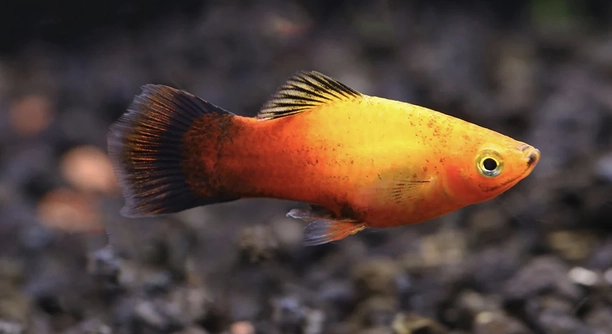
Have you ever noticed a shift in your platy’s behavior after introducing new fish into the tank and wondered why?
Platies can show signs that resemble jealousy, such as chasing or guarding behavior, when new tank mates are introduced. These actions are typically driven by territorial instincts, stress, or changes in social dynamics rather than emotional jealousy.
Exploring how platies react to new companions can help you create a more peaceful and balanced aquarium environment.
Why Platies React to New Tank Mates
Platies are generally peaceful, but they can react strongly when new fish are added to their space. Changes in tank dynamics may lead to behaviors like chasing or becoming more territorial. This reaction isn’t rooted in complex emotions like jealousy but is more about comfort, routine, and space. Fish rely on patterns to feel secure, and any disruption can make them feel unsettled. New tank mates can also shift food competition and social order. When that balance changes, your platy may act out. These behaviors are often short-lived and settle once the pecking order is reestablished. Ensuring that your tank is large enough and has hiding spots can help. Giving platies time to adjust and monitoring interactions closely are key. Watch for signs of stress, such as fin clamping or erratic swimming, and make changes if needed.
Platies often respond with mild aggression when their environment or routine is disrupted by the addition of other fish.
If you notice unusual behavior, it’s worth considering how your current tank setup might be affecting your platies. A peaceful setup depends on the right balance of space, food, and compatible species.
How to Minimize Jealousy-Like Behavior
Stress is often at the root of this behavior and can be reduced by proper tank management.
Platies need a calm environment, and that starts with choosing the right tank mates. Avoid adding aggressive or overly active fish that may compete for food or chase them. Instead, select peaceful species with similar care needs. Make sure there’s plenty of room—at least 10 gallons for a small group. Hiding spots created with plants, rocks, or decorations help break lines of sight and reduce tension. Feed your fish evenly and watch for bullying. If one platy begins to act out, it may need more space or a change in tank mates. Be patient—adjustments take time. Sudden changes can be overwhelming, so always introduce new fish gradually, ideally during a water change to ease the transition. Keep an eye on water quality too, since poor conditions add stress that can worsen any existing issues. A well-balanced tank can calm most reactive behaviors.
Signs Your Platy May Be Feeling Threatened
Chasing, hiding, or guarding specific areas in the tank are early signs that your platy may feel uneasy around new additions. These behaviors often appear suddenly and usually follow the introduction of new fish.
Other subtle signs include reduced appetite, erratic swimming, or constantly staying near the surface or in corners. These changes in behavior can point to stress or discomfort, not necessarily emotional jealousy. Platies may also flare fins or nip at other fish to show dominance. If one fish seems to be isolating itself, it could be trying to avoid confrontation. Carefully watching how your platy moves and interacts will help you notice changes early. Not all signs are obvious, and sometimes the stress appears only during feeding or during specific times of the day.
Lighting and noise can also affect how your platies respond to changes. Try to observe them in calm conditions for a clearer view.
When Behavior Becomes a Problem
If your platy is constantly chasing others or refusing to eat, the behavior may have gone beyond simple adjustment. Over time, stress like this can lead to illness or lower immunity, which affects the entire tank.
When the aggression or stress doesn’t fade after a few days, consider re-evaluating the tank size and setup. Overcrowding is a common issue. Rearranging decor or adding more hiding spaces can shift territory and reduce aggression. Separating aggressive fish temporarily can also help reset behavior. If nothing changes, it might be a compatibility issue, and the new fish may not be a good fit. Some platies simply don’t tolerate certain species. Water quality matters too—poor conditions can trigger or worsen defensive behavior. Regular maintenance, consistent feeding, and providing quiet time can encourage your platies to return to normal. A calm tank leads to more relaxed, healthier fish overall.
Helping Your Platy Adjust
Adding new fish slowly and keeping the environment calm can reduce stress. Use a quarantine tank if possible before full introduction. This helps prevent both illness and immediate social tension in the main tank.
Feeding all fish at separate spots can prevent competition. Spread out food so your platy doesn’t feel threatened or left out. Distribute attention evenly to avoid reinforcing any defensive behavior.
When to Separate Aggressive Fish
If one platy becomes too aggressive, it may need to be separated for a few days in a breeder box or a different tank. This break helps reduce stress for both the isolated fish and the rest of the tank. Reintroduce the fish only after conditions have settled.
Tank Setup Matters
A well-structured tank with plants, rocks, and hiding spots helps reduce stress and gives fish room to escape or claim space without fighting.
FAQ
Can platies feel emotions like jealousy?
Platies don’t experience emotions the way humans do. What looks like jealousy is usually a response to stress, territory changes, or resource competition. They react instinctively to changes in their environment, especially when space, food, or social order is disrupted. These behaviors are not based on complex emotional reasoning but rather on survival instincts and comfort levels. So while it may appear that a platy is jealous of a new fish, it’s more likely reacting to something unfamiliar or feeling uncertain in a shared space. Keeping things stable can help reduce these behaviors.
How long does it take for platies to adjust to new tank mates?
Most platies begin to settle within a few days to a week. However, this can vary depending on the tank setup, the number of new fish added, and whether the new tank mates are peaceful or overly active. If the tank is well-sized and has hiding spaces, the adjustment period tends to be shorter. In some cases, if aggression or stress continues beyond two weeks, the fish may not be compatible. Watch for signs like constant chasing or hiding, which may signal that intervention is needed. Patience and close observation are key.
What fish are most compatible with platies?
Good tank mates for platies include peaceful community fish like mollies, guppies, swordtails, and corydoras. These fish have similar temperaments and water requirements. Avoid aggressive or fin-nipping species like tiger barbs or larger cichlids, as they may stress or harm your platies. Platies do well in groups and enjoy a calm, stable environment. Matching fish by activity level and size helps avoid tension. Adding fish with similar needs also makes tank maintenance easier, especially when it comes to feeding and water conditions. Compatibility is important for long-term health and peaceful behavior.
Why is my platy hiding after I added new fish?
Hiding is a common response to stress or sudden environmental changes. Your platy may feel unsafe or uncertain due to the presence of new fish. This is especially true if the new arrivals are more dominant or active. A platy may retreat until it feels confident enough to explore again. To help, provide extra hiding spots using plants or decorations. Make sure the tank is not overcrowded and that all fish have enough space. In most cases, hiding decreases once the platy feels secure again. If the behavior lasts too long, reassess compatibility.
How can I tell if my platy is being bullied?
Signs of bullying include torn fins, rapid swimming, hiding for long periods, skipping meals, or being chased frequently. If you notice one fish always pursuing another, or if your platy avoids certain areas of the tank, it’s likely being harassed. This behavior can lead to illness if left unaddressed. Try rearranging the tank layout to break up territory, or use dividers or a separate tank if the situation doesn’t improve. Consistently bullied platies can become withdrawn and stop eating, which may lead to health problems. It’s important to intervene early when bullying is present.
Can tank layout really reduce stress in platies?
Yes, tank layout plays a big role in how secure your platies feel. A layout with lots of plants, caves, and visual barriers allows fish to establish their own space. This helps reduce conflict and provides hiding spots when they feel overwhelmed. Open tanks with no shelter can make fish feel exposed, increasing anxiety and aggression. Natural décor also mimics their habitat, helping them feel more at ease. Even a small tank can feel safe if it’s well-structured. Rearranging the layout from time to time may also help reduce territorial behavior.
Is it better to add multiple new fish at once or just one?
Adding several peaceful fish at once can sometimes be better than introducing one new fish alone. A single fish may draw more attention and trigger territorial reactions. Multiple new fish can spread out this attention and reduce the chance of any one fish being singled out. However, it’s important not to overcrowd the tank. Always consider the tank size and filtration before adding more fish. If possible, quarantine the new fish before introducing them to avoid health issues. A slow, careful introduction process works best for reducing stress in all fish.
Final Thoughts
Platies are peaceful fish, but they can show changes in behavior when new tank mates are added. What may seem like jealousy is often just a reaction to stress or a shift in their environment. These changes can include chasing, hiding, guarding a spot, or even losing interest in food. Most of the time, these behaviors are short-term and settle once the fish adjust. It’s important to give them time to get used to the changes and to make sure their environment is calm, clean, and not overcrowded. Watching their behavior closely during this adjustment period can help prevent problems before they start.
Every fish is different, and platies are no exception. Some may adjust quickly, while others need more time or space to feel secure. A well-planned tank setup plays a big role in how smoothly this process goes. Choosing the right tank mates, adding plenty of hiding spots, and keeping the water quality steady are small steps that make a big difference. When fish feel secure in their space, they are more likely to behave calmly and stay healthy. Rearranging tank decorations can also help break territorial behavior if needed. Always introduce new fish slowly and avoid major changes all at once.
Understanding why your platy reacts a certain way can help you take the right steps to create a balanced tank. It’s not about emotions like humans feel—it’s about territory, routine, and comfort. Taking a little extra time to plan your tank and monitor your fish after changes can help avoid stress. When a platy acts out, it’s usually a sign that something feels off in its space. With attention and care, these behaviors usually pass. The goal is a peaceful, healthy tank where all fish can thrive. Creating that balance takes patience, but it’s worth it for the well-being of your fish.

Hello,
If you enjoy the content that we create, please consider saying a "Thank You!" by leaving a tip.
Every little bit helps us continue crafting quality advice that supports the health, happiness, and well-being of pets around the world, for pets of all shapes, sizes, and species.
We really appreciate the kindness and support that you show us!