
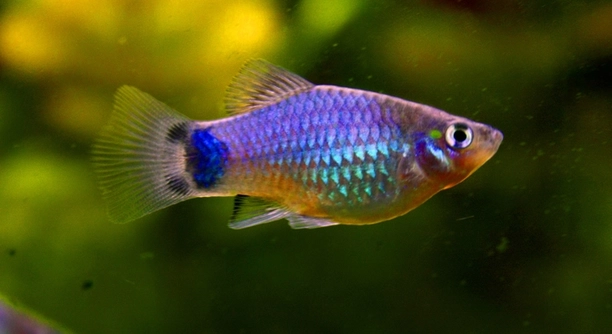
Platies are small, colorful fish often found in home aquariums. Their swimming habits can be quite interesting to observe, especially the zigzag patterns they sometimes display. These movements are part of their natural behavior in the water.
Platies swim in zigzag patterns primarily as a response to environmental stimuli and social interactions. This movement helps them navigate, avoid predators, and communicate with other fish, promoting safety and social cohesion within their groups.
Understanding why platies swim this way can enhance your appreciation of their behavior and help create a better environment for them in your aquarium.
How Zigzag Swimming Helps Platies Stay Safe
Platies use zigzag swimming mainly to avoid threats in their environment. This pattern makes it harder for predators to predict their movement and catch them. When platies swim straight, they become easier targets, but zigzagging breaks up their path, confusing predators. This quick change of direction also allows them to stay alert and react faster to sudden danger. Besides escaping threats, the zigzag pattern helps them explore their surroundings efficiently. It gives them a better sense of space and potential hiding spots. The movement is natural and instinctive, and you may notice it more when your platies feel stressed or notice something unfamiliar. This behavior shows how well adapted platies are to survive in different settings, including home aquariums. Watching these patterns can give insight into their comfort and security in the tank.
Zigzag swimming is a key survival skill for platies, helping them avoid danger and stay safe in their environment.
This instinctive movement also plays a role in how platies communicate with each other. By changing their swimming patterns, they can signal warnings or alert other fish to potential threats. It helps maintain group safety and social order, which is important in a tank setting where multiple fish live together.
What Triggers Zigzag Patterns in Platies?
Platies usually start zigzag swimming when they feel threatened or stressed. Changes in the tank, like new fish or sudden movements nearby, often cause this behavior. Bright lights or loud noises can also trigger it. Observing these triggers helps in understanding your platies’ needs. Creating a calm, stable environment reduces stress and decreases zigzag swimming caused by fear. Providing plenty of hiding spots gives platies places to retreat when they feel unsafe. This, in turn, lowers their need to swim erratically. Monitoring their swimming patterns is a good way to check on their overall health and comfort. When platies swim calmly and smoothly, it usually means they are happy and secure in their surroundings.
The Role of Social Interaction in Zigzag Swimming
Platies often swim in zigzag patterns during social interactions. This behavior helps them establish dominance and communicate with other fish.
Zigzag swimming serves as a non-verbal signal among platies. When one fish swims erratically, it may be displaying excitement, aggression, or submission. This movement allows platies to assert themselves without direct confrontation. It helps maintain peace within the group by reducing physical fights. In a tank with multiple platies, this behavior promotes balance and clear social roles. Observing these interactions can give clues about the dynamics in your aquarium.
This swimming pattern also helps platies stay close to each other, enhancing group cohesion. Moving in zigzags allows them to respond quickly to each other’s changes in direction, making their movement more synchronized.
Environmental Factors Influencing Zigzag Swimming
Changes in water quality, temperature, or tank setup can affect platies’ swimming behavior. Poor conditions may increase stress and trigger zigzag swimming. Sudden temperature drops or high ammonia levels can make platies uneasy, causing more erratic movements. A well-maintained tank reduces stress and promotes calm swimming patterns. It’s important to monitor water parameters regularly to keep platies comfortable.
Tank decorations and space also play a role. Overcrowded tanks or lack of hiding spots can make platies swim in zigzags more often. Providing a spacious tank with plants and shelters encourages natural behavior and reduces stress-induced zigzag swimming. Adjusting these factors can improve your platies’ overall well-being and behavior.
How Feeding Habits Affect Zigzag Swimming
Platies often swim in zigzag patterns while searching for food. This helps them cover more area and find hidden snacks. It is a natural foraging behavior seen in many small fish species.
When food is introduced, platies may increase their zigzag movements. This active searching ensures they don’t miss any food particles drifting in the water. It also helps them compete fairly with tank mates.
Breeding Behavior and Zigzag Swimming
During breeding, platies swim in zigzag patterns as part of their courtship rituals. Males use these movements to attract females and show their fitness.
Tank Setup and Zigzag Swimming
A well-structured tank with plenty of plants and open spaces influences how often platies swim in zigzags. Proper tank design encourages natural movement.
Stress and Zigzag Swimming
Stress often increases zigzag swimming in platies. Reducing stress can help them swim more calmly.
Why do platies swim in zigzag patterns?
Platies swim in zigzag patterns mainly to avoid predators and navigate their environment safely. This erratic movement makes it harder for predators to catch them. It also helps them communicate with other fish and respond quickly to changes around them. Zigzag swimming is a natural survival behavior.
Is zigzag swimming a sign of stress in platies?
Yes, increased zigzag swimming can indicate stress. Factors like poor water quality, sudden changes in tank conditions, or overcrowding can cause platies to swim erratically. If you notice more frequent zigzagging, it’s a good idea to check the tank environment and reduce any sources of stress.
Do platies swim in zigzags only when scared?
No, platies also swim in zigzag patterns during social interactions and feeding. It is part of their natural behavior to explore the tank, communicate with other fish, and search for food. Zigzag swimming isn’t always a sign of fear, but context matters.
How does tank size affect platy swimming behavior?
Smaller or overcrowded tanks can increase zigzag swimming due to stress and limited space. Platies need enough room to swim freely and express natural behaviors. Providing a spacious tank with plants and hiding spots helps reduce unnecessary zigzag movements caused by discomfort.
Can tank decorations influence zigzag swimming?
Yes, decorations and plants affect how platies swim. A tank with plenty of hiding places and open swimming areas encourages healthy, natural movement. If the tank is too cluttered or bare, platies may swim erratically either to avoid obstacles or due to stress.
Is zigzag swimming normal during feeding?
Absolutely. Platies often swim in zigzag patterns while searching for food. This helps them cover more area and find food particles scattered in the water. It’s a natural foraging technique that also keeps them active and alert.
Does water temperature impact platy swimming?
Yes, water temperature influences their activity level. If the water is too cold or too warm, platies may swim irregularly, including zigzagging more often. Maintaining stable, appropriate temperatures helps keep their swimming smooth and natural.
Can platies’ health affect their swimming pattern?
Illness or injury can cause unusual swimming behaviors, including erratic zigzag patterns. If a platy swims erratically along with other signs like loss of appetite or discoloration, it may need medical attention. Regular observation helps catch health issues early.
Are all fish that swim in zigzags stressed?
Not always. Many fish use zigzag swimming for communication, mating rituals, or feeding. Stress is just one possible cause. It’s important to consider other signs and the overall tank environment before concluding stress is the reason.
How can I reduce stress to minimize zigzag swimming?
Maintain clean water, stable temperature, and a well-decorated tank with hiding spots. Avoid sudden changes, overcrowding, and aggressive tank mates. A calm environment helps platies swim smoothly and reduces erratic movements caused by stress.
Is zigzag swimming a sign of mating behavior?
Yes, during breeding, platies sometimes swim in zigzags as part of courtship displays. Males use this movement to attract females and show vitality. This behavior is a natural and healthy part of their reproductive cycle.
Do platies swim differently at night?
Platies generally swim less actively at night. Their zigzag swimming decreases because they rest more. However, sudden disturbances can still trigger quick, erratic movements even during nighttime.
Can lighting conditions affect platy swimming patterns?
Bright or flashing lights can cause platies to swim more erratically, including zigzagging. Providing consistent, moderate lighting helps keep them calm and reduces stress-induced swimming behaviors.
How long do platies usually swim in zigzag patterns?
The duration varies depending on the trigger. Short bursts happen during feeding or quick escapes, while longer periods may indicate ongoing stress or discomfort. Monitoring how long and how often they swim this way can reveal underlying issues.
Are younger platies more likely to swim in zigzags?
Younger platies may show more zigzag swimming as they explore their environment and learn social behaviors. This activity is part of their development and helps them adapt to their surroundings.
Can adding more platies affect zigzag swimming?
Adding more platies can increase social interaction and competition, which might lead to more zigzag swimming. If the tank is crowded, stress levels rise, causing erratic movements. Proper tank size and balance help manage this behavior.
What should I do if my platies swim zigzag constantly?
Constant zigzag swimming may signal stress, poor water conditions, or illness. Test the water quality, check temperature, and look for signs of disease. Improving tank conditions or consulting a vet can help restore normal behavior.
Do platies swim differently when alone?
Platies are social fish and tend to swim less actively and zigzag less when alone. They feel safer and more relaxed in groups, where zigzag swimming serves as communication and coordination.
Is zigzag swimming harmful to platies?
Zigzag swimming itself is not harmful; it is a natural behavior. However, excessive or constant zigzagging can indicate problems. Addressing the causes will improve their health and well-being.
Can tank mates influence platy swimming patterns?
Yes, aggressive or territorial tank mates can stress platies, causing more zigzag swimming. Compatible, peaceful fish reduce stress and promote calm swimming. Choosing the right companions is important for balanced behavior.
How can I observe zigzag swimming without disturbing platies?
Watch quietly from outside the tank and avoid sudden movements or loud noises. Using a camera or sitting calmly nearby helps observe natural behaviors without causing stress. This approach gives better insights into their swimming patterns.
Platies are fascinating fish with unique behaviors that make them enjoyable to watch. One of their most noticeable habits is swimming in zigzag patterns. This movement serves many purposes, including avoiding predators, communicating with other fish, and searching for food. Understanding why platies swim this way can help aquarium owners provide a better environment for them. It also shows how these fish adapt naturally to their surroundings, even in a home tank.
The zigzag swimming behavior is often linked to safety and social interaction. When platies feel threatened or stressed, they swim unpredictably to confuse predators and stay safe. This movement is also a form of communication among the group, helping them maintain social order without conflict. Additionally, platies use zigzag swimming during feeding to cover more space and find food efficiently. These behaviors highlight the importance of creating a comfortable and stable tank environment to reduce stress and promote natural activities.
Taking care of platies involves more than just feeding and cleaning the tank. Observing their swimming patterns provides valuable insight into their well-being. If platies swim erratically too often, it could signal stress, poor water quality, or health issues. Ensuring proper tank size, good water conditions, and peaceful tank mates helps platies feel secure and swim more calmly. Paying attention to their behavior allows for timely adjustments to their care, ultimately supporting their health and happiness in the aquarium.

Hello,
If you enjoy the content that we create, please consider saying a "Thank You!" by leaving a tip.
Every little bit helps us continue crafting quality advice that supports the health, happiness, and well-being of pets around the world, for pets of all shapes, sizes, and species.
We really appreciate the kindness and support that you show us!