
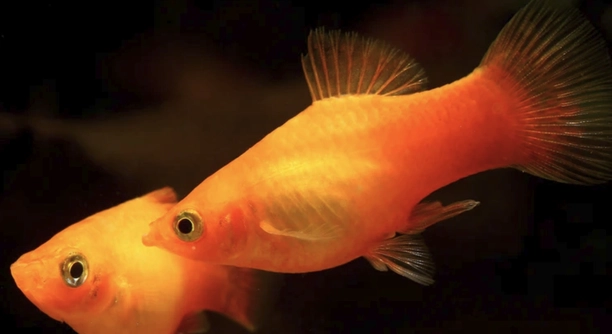
Platy fish are popular among aquarium enthusiasts for their vibrant colors and easy care. However, breeding them successfully can be challenging without the right knowledge. Many common mistakes can disrupt the breeding process and affect the health of the fish.
Several key mistakes can interfere with platy breeding, including improper tank conditions, poor water quality, inadequate diet, and overcrowding. Each factor plays a critical role in the fish’s ability to reproduce and raise healthy fry. Addressing these issues is essential for successful breeding outcomes.
Knowing what to avoid can make a big difference in your breeding efforts. This article will help identify the common pitfalls and guide you toward better care for your platies.
Overcrowding in the Breeding Tank
Overcrowding is one of the most common mistakes that disrupt platy breeding. When too many fish share the same space, stress levels rise, and territorial behavior increases. This can lead to aggressive interactions, which harm the fish and reduce breeding chances. Platies need enough room to swim freely and to establish small territories. A crowded tank also causes poor water quality because waste builds up faster, leading to unhealthy conditions. These factors combined make it harder for platies to breed successfully. To prevent overcrowding, it is best to follow recommended tank size guidelines and limit the number of fish in the breeding tank.
A less crowded tank promotes calm behavior and better breeding conditions.
Platies prefer a tank size of at least 10 gallons for a small group, allowing each fish space to move and feed comfortably. Overcrowding can also reduce oxygen levels, which harms the fry and adults alike. Keeping the population balanced helps ensure healthy water parameters. It’s important to remove any excess fish before breeding begins or set up separate tanks for breeding pairs or groups. This simple step can greatly improve your breeding success and keep the fish healthy during the process.
Poor Water Quality
Poor water quality is a major factor that affects platy breeding. Dirty or unbalanced water stresses the fish and disrupts their reproductive systems.
Maintaining clean water with stable parameters is essential for breeding success.
Platies need clean, well-filtered water with a temperature between 72 and 78°F and a pH level around 7.0. Frequent water changes are necessary to remove waste and toxins that can build up quickly in small tanks. Ammonia and nitrite levels must always be kept at zero, while nitrate should be low. Failure to do so weakens the immune system, making fish less likely to breed or survive pregnancy. Regular testing and adjustments keep the environment healthy. Using a good quality filter and avoiding overfeeding also help maintain water quality. Healthy water encourages mating behavior and supports the growth of fry after birth. Taking time to monitor and improve water conditions is a straightforward but critical step in achieving consistent breeding results.
Inadequate Nutrition
Platies need a balanced diet to breed successfully. Without proper nutrients, their health and fertility suffer.
A poor diet can lead to weak fish and low reproductive rates. Platies require a mix of high-quality flakes, pellets, and live or frozen foods like brine shrimp or daphnia. These foods provide essential proteins, vitamins, and minerals that support egg development and overall vitality. Feeding only one type of food limits their nutrition and reduces breeding success. It’s best to offer variety and feed small portions two to three times daily to maintain their health without overfeeding.
Proper nutrition also helps the fry grow strong after birth. Well-fed adult platies are more active and ready to breed. Ignoring diet quality can cause stress and disease, making breeding difficult or impossible.
Incorrect Sex Ratios
Maintaining the right ratio of males to females is important for smooth breeding.
Too many males can stress females, causing aggression and preventing them from breeding. A good ratio is usually one male for every two or three females. This balance reduces harassment and allows females to recover between pregnancies. When males outnumber females, constant chasing leads to stress, injury, and lower fertility. On the other hand, having too few males can limit breeding opportunities and reduce genetic diversity. Adjusting the sex ratio in your tank ensures healthier interactions and better breeding results. It is a simple but effective way to improve your platy breeding setup.
Lack of Hiding Places
Platies need places to hide, especially for females and fry. Without cover, they feel exposed and stressed.
Stress from lack of hiding spots can reduce breeding activity. Plants, decorations, and caves create safe areas that help fish feel secure and encourage natural behavior.
Ignoring Temperature Requirements
Platies breed best in water temperatures between 72 and 78°F. Temperatures outside this range can slow or stop breeding. Keeping a stable temperature within this range supports healthy metabolism and reproductive cycles. Sudden changes or fluctuations can stress the fish and affect fry survival. Using a reliable heater and thermometer helps maintain the proper temperature for breeding success.
Neglecting Regular Tank Maintenance
Skipping regular cleaning harms water quality and fish health. Maintaining the tank by removing waste and changing water is essential for breeding success.
What is the ideal tank size for breeding platies?
A tank of at least 10 gallons is recommended for breeding a small group of platies. This size allows enough swimming space and helps maintain stable water conditions. Larger tanks reduce stress and give fry more room to grow safely. Overcrowding in smaller tanks often leads to poor water quality and aggressive behavior.
How often should I change the water during breeding?
Changing about 20–30% of the water weekly helps keep conditions clean and stable. Frequent partial water changes remove toxins like ammonia and nitrates that build up quickly in smaller tanks. Avoid full water changes, as sudden shifts can stress the fish. Regular testing supports knowing when changes are needed.
What foods promote successful breeding in platies?
A varied diet including high-quality flakes, pellets, and live or frozen foods like brine shrimp and daphnia is best. These provide essential proteins and nutrients for healthy eggs and fry development. Feeding small amounts two to three times daily helps keep adults strong without overfeeding.
How many males and females should be kept together?
The recommended ratio is one male to two or three females. This balance reduces male harassment and stress on females. Too many males can cause aggressive chasing, which lowers fertility and harms females. A balanced ratio improves breeding success and fish health.
Can platies breed without plants or decorations?
While platies can breed without hiding places, it’s not ideal. Plants and decorations offer shelter and reduce stress for females and fry. Hiding spots improve the chances of fry survival by protecting them from being eaten by adults or other fish.
How important is water temperature for platy breeding?
Water temperature plays a key role in breeding success. Platies breed best between 72 and 78°F. Temperatures outside this range can slow or stop mating and affect fry development. Maintaining stable temperature avoids stress and encourages healthy breeding cycles.
What are signs that platies are ready to breed?
Males display brighter colors and chase females more actively. Females’ bellies become rounder as they develop fry inside. You may also notice males showing their gonopodium (a modified fin for mating). These signs usually mean breeding will happen soon.
How long does it take for platy fry to hatch and grow?
Platy fry are born live and free-swimming after about 24 to 30 days of gestation. Fry are tiny but active and need plenty of hiding places and fine food like baby brine shrimp or crushed flakes. They grow quickly with proper care and clean water.
Should fry be separated from adults after birth?
Separating fry from adults is recommended to prevent adults from eating them. Using a breeding box or a separate nursery tank improves survival rates. If separation isn’t possible, providing dense plants and hiding spots helps protect the young.
What water parameters are best for platy breeding?
A pH near neutral (around 7.0), low ammonia and nitrite (0 ppm), and nitrate below 20 ppm are ideal. Stable parameters support fish health and fry development. Regular testing and adjustments keep the environment safe and suitable for breeding.
Can platies breed year-round?
Yes, platies can breed year-round if conditions remain stable. Consistent temperature, clean water, and good nutrition encourage continuous breeding. Seasonal changes in natural light or temperature in the tank should be minimized for best results.
How can I reduce stress in breeding platies?
Provide adequate space, hiding places, clean water, and a balanced diet. Avoid overcrowding and keep the tank environment stable. Minimizing sudden changes in temperature or water quality reduces stress, helping fish breed more successfully.
What is the best way to care for platy fry?
Feed fry tiny, frequent meals like baby brine shrimp or crushed flakes. Maintain clean water and provide plants or decorations for hiding. Frequent small water changes keep water quality high. Avoid overcrowding the nursery to support healthy growth.
Are there common diseases that affect breeding platies?
Yes, poor water quality and stress increase disease risk. Common illnesses include fin rot, ich, and fungal infections. Maintaining clean water and reducing stress through proper care helps prevent diseases that interfere with breeding.
How long should I wait between breeding cycles?
Female platies can become pregnant again shortly after giving birth. However, giving them a break of a few weeks helps recover their health and energy. This improves fry survival and reduces stress on the females, supporting stronger future breeding.
Breeding platies can be a rewarding experience, but it requires attention to detail and good care. Avoiding common mistakes like overcrowding, poor water quality, and inadequate nutrition helps create a healthy environment where platies can thrive. Providing the right tank size, balanced diet, and proper hiding places reduces stress and encourages natural breeding behaviors. These factors work together to improve the chances of producing strong and healthy fry.
Consistency is key in maintaining the right conditions for breeding. Regular water changes, monitoring temperature, and keeping the tank clean support fish health and successful reproduction. Paying attention to sex ratios also helps reduce aggression and stress among the fish. Small changes in care routines can have a big impact on breeding outcomes. Taking time to observe the fish and respond to their needs makes the process smoother and more effective.
Remember that patience and learning go hand in hand with platy breeding. Not every attempt will be perfect, but each experience offers valuable insight into what works best for your fish. Adjusting care based on observations will improve results over time. With proper care and attention, breeding platies can become a steady and enjoyable part of aquarium keeping. The goal is to create a safe and supportive environment that allows your platies to grow and reproduce naturally.

Hello,
If you enjoy the content that we create, please consider saying a "Thank You!" by leaving a tip.
Every little bit helps us continue crafting quality advice that supports the health, happiness, and well-being of pets around the world, for pets of all shapes, sizes, and species.
We really appreciate the kindness and support that you show us!