
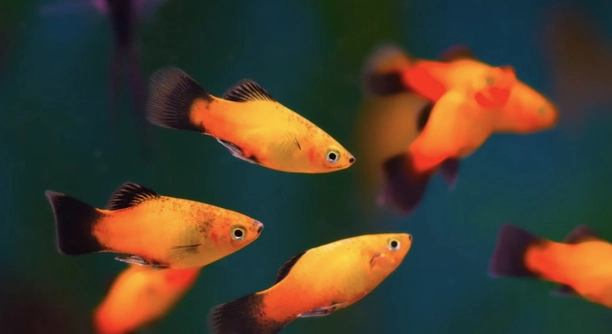
Is your platy fish ignoring the food you offer? Many fish owners face this situation, wondering if something might be wrong. A platy’s sudden lack of interest in food can feel confusing and concerning.
A platy not reacting to food often signals stress, illness, or environmental issues. Factors such as water quality, temperature, or diet changes may impact their appetite and behavior. Identifying the cause is essential to restore normal feeding habits.
Understanding why your platy avoids food helps in providing the right care. This article will guide you through common reasons and solutions to keep your fish healthy and happy.
Common Causes for a Platy’s Loss of Appetite
A platy fish may stop eating for several reasons, most of which relate to its environment or health. Poor water quality is a frequent cause. High levels of ammonia, nitrites, or nitrates can stress fish, making them lose interest in food. Temperature is another key factor. Platys thrive in water between 70 and 78 degrees Fahrenheit. Water that is too cold or too warm can cause discomfort and reduced appetite. Changes in diet or sudden introduction of new foods might also lead to refusal to eat. Illness is a serious reason, including infections or parasites that affect the digestive system or energy levels. Lastly, stress from overcrowding or aggressive tank mates can make a platy nervous and uninterested in food. Checking each of these conditions helps to find the right solution.
Poor water conditions and stress are the most common reasons platys lose interest in food.
Keeping water clean and stable encourages your platy to eat normally. Regular testing and maintenance are essential for their health.
Signs of Illness in Platys
A platy showing no reaction to food may be sick. Watch for signs like lethargy, clamped fins, or unusual swimming patterns. Skin changes such as spots, redness, or swelling often indicate illness. Loss of appetite often appears early in sickness. Infections, parasites, or internal problems could be affecting your fish’s health.
Illness can be subtle but will worsen if untreated. A sick platy might also isolate itself or stay near the tank bottom. Early detection is key to preventing serious health issues. Treatments vary depending on the problem but usually include water changes, medication, and isolation from other fish. Consulting a vet or experienced aquarist can help with diagnosis. Observing your platy closely and acting quickly improves the chances of a full recovery.
Adjusting Tank Conditions
Keeping stable water conditions is key to a platy’s appetite. Frequent water changes help maintain cleanliness. Test the water regularly for ammonia, nitrites, and nitrates.
Temperature fluctuations stress platys. Use a reliable heater and thermometer to keep water between 70 and 78°F. Avoid sudden changes by acclimating new fish slowly. Overcrowding also reduces appetite. Provide enough space and hiding spots to make your platy comfortable.
Filtration is important but avoid strong currents. Platys prefer gentle water flow, so choose a filter that suits their needs. Lighting should mimic a natural day-night cycle to support their regular behavior, including feeding times.
Feeding Tips for a Picky Platy
Offer a varied diet to encourage eating. High-quality flakes, frozen or live foods like brine shrimp, and vegetables can stimulate interest. Feed small amounts two to three times daily to avoid overfeeding and maintain water quality.
Observe your platy’s preferences. Some may prefer certain foods over others. Removing uneaten food promptly prevents waste buildup and water issues. Introducing new foods gradually helps the fish accept changes without stress.
Timing feeding with active periods improves success. Feeding in the morning or early evening aligns with their natural behavior, increasing the chances they will eat. Consistency in feeding routines builds trust and helps your platy feel secure.
Monitoring Behavior Changes
Watch your platy closely for unusual behavior. Changes in swimming patterns or hiding more than usual can indicate stress or illness. Early observation helps address problems quickly.
Keep a daily log of feeding and activity. This record can reveal patterns and help identify causes if appetite issues persist. Consistency in care supports your fish’s well-being.
Treating Common Illnesses
Treat infections or parasites promptly with appropriate medication. Use aquarium salt or specific treatments based on symptoms. Quarantine sick fish to prevent spread. Clean the tank thoroughly to avoid reinfection. Follow dosage instructions carefully to protect your platy’s health.
When to Consult a Professional
If your platy’s appetite does not improve after adjusting tank conditions and trying treatments, seek expert advice. A veterinarian or experienced aquarist can provide accurate diagnosis and treatment options. Early professional help improves chances of recovery.
FAQ
Why is my platy swimming less and not eating?
Reduced swimming and loss of appetite often indicate stress or illness. Poor water quality, incorrect temperature, or disease can cause lethargy. Check the tank conditions first and look for visible signs of illness like discoloration or spots. Improving the environment and treating sickness can restore normal activity and feeding.
Can sudden changes in water cause my platy to stop eating?
Yes, platys are sensitive to water changes. Sudden shifts in temperature, pH, or chemical levels can stress them. It’s important to acclimate fish slowly to new conditions. Regular water testing and gradual adjustments help avoid shocking your platy, which supports its appetite and overall health.
How often should I feed my platy?
Feed your platy small amounts two to three times daily. Overfeeding can pollute the tank and harm your fish’s health. Offer just enough food that can be eaten within a few minutes. This routine helps maintain water quality and encourages a healthy appetite.
What types of food do platys prefer?
Platys enjoy a varied diet including high-quality flakes, frozen or live foods such as brine shrimp or daphnia, and fresh vegetables like zucchini or spinach. Offering different foods keeps their diet balanced and stimulates feeding interest.
Could tank mates affect my platy’s appetite?
Yes, aggressive or overly active tank mates can stress your platy, causing it to hide and lose interest in food. Ensure your tank is peaceful and that there’s enough space for all fish. Providing hiding spots can reduce stress and improve feeding behavior.
Is poor water quality a common cause for feeding problems?
Absolutely. Toxic substances like ammonia and nitrites quickly affect fish health. Regular water changes and testing keep levels safe. Maintaining clean water is one of the best ways to encourage your platy to eat normally.
How do I know if my platy is sick?
Signs of sickness include loss of appetite, lethargy, clamped fins, abnormal swimming, discoloration, or spots. If you notice these symptoms, take action immediately by testing water and considering treatment. Early intervention can save your fish’s life.
Can temperature changes cause a platy to refuse food?
Yes, platys prefer stable temperatures between 70 and 78°F. Water that is too cold or too warm can reduce their metabolism and appetite. Using a heater and thermometer ensures consistent, ideal temperatures.
Should I isolate a sick platy from the rest of the tank?
Isolating a sick platy helps prevent the spread of disease and allows targeted treatment. Use a quarantine tank if possible. This also reduces stress on the sick fish by keeping it away from potential aggressors.
How long does it take for a platy to recover appetite after illness?
Recovery times vary but often take a few days to a week after treatment and improving conditions. Patience is important. Continue providing a stable environment and nutritious food to support healing.
What is the best way to introduce new food to a picky platy?
Introduce new foods gradually, mixing them with familiar ones. This helps your platy adjust without stress. Observing which foods it prefers makes feeding easier and more effective.
Can stress cause long-term feeding issues?
Yes, prolonged stress weakens the immune system and suppresses appetite. Reducing stress by maintaining good water quality, compatible tank mates, and a calm environment helps prevent feeding problems.
Are there any signs that indicate urgent veterinary care?
Severe symptoms like rapid breathing, bleeding, swollen body parts, or sudden behavioral changes require immediate attention. Contact a vet experienced with fish for diagnosis and treatment.
Does the size of the tank affect a platy’s feeding habits?
A small, overcrowded tank can stress platys and reduce their appetite. Providing enough space and proper filtration promotes healthy behavior and eating patterns.
How important is lighting for feeding behavior?
Proper lighting mimics natural day-night cycles, encouraging regular activity and feeding times. Too much or too little light can disturb your platy’s routine and appetite. Use a timer to maintain consistency.
Can I use aquarium salt to improve my platy’s appetite?
Aquarium salt can help reduce stress and fight some infections when used properly. Follow recommended dosages carefully, as too much salt can harm your fish. It is not a direct appetite booster but supports overall health.
What should I do if my platy refuses all food?
If your platy refuses all food for several days, test water quality immediately and inspect for illness. Isolate the fish if necessary and seek advice from an expert. Persistent refusal can be life-threatening if untreated.
Are live foods better for stimulating appetite?
Live foods like brine shrimp or bloodworms are often more appealing and can stimulate feeding. They also provide good nutrition. Use them as part of a varied diet but avoid overfeeding.
How does overfeeding affect a platy’s health?
Overfeeding leads to poor water quality, obesity, and digestive problems. It may cause your platy to become lethargic and lose interest in food. Feed small portions and remove leftovers promptly.
Is it normal for platys to skip meals sometimes?
Occasional skipped meals can happen, especially during mild stress or environmental changes. However, consistent refusal to eat is a concern and should be investigated. Regular feeding helps maintain their health.
What role does tank decoration play in feeding?
Providing plants and hiding spots reduces stress and encourages natural behavior, including feeding. A well-decorated tank offers comfort, which supports a healthy appetite.
How can I make feeding time less stressful for my platy?
Feed in a calm, quiet environment and avoid sudden movements around the tank. Use gentle lighting and consistent feeding schedules. These small steps create a sense of security for your fish.
Can water hardness affect a platy’s appetite?
Yes, platys prefer moderately hard water. Extreme hardness or softness can cause discomfort and reduce feeding. Testing and adjusting water hardness helps keep your platy healthy and willing to eat.
When a platy stops reacting to food, it can be worrying, but there are many simple reasons behind this behavior. Most often, it comes down to changes or problems in the fish’s environment or health. Keeping the water clean and stable is one of the most important steps. Platys need water that is free from harmful chemicals like ammonia and nitrites, and the temperature should stay within a comfortable range. Stress caused by poor tank conditions, overcrowding, or aggressive tank mates can also make a platy lose interest in food. Paying attention to these details helps prevent many feeding problems before they start.
Health issues are another major reason why a platy may refuse food. Fish can become sick from infections, parasites, or injuries, all of which affect their appetite. Watching for signs such as unusual swimming, spots on the body, or lethargy can help catch problems early. When illness is suspected, taking quick action with treatment and improving tank conditions can make a big difference. Isolating a sick platy can protect other fish and allow the affected one to recover more comfortably. Feeding a varied diet and offering live or frozen foods can also encourage eating and provide proper nutrition.
In the end, patience and regular care are key to helping a platy regain its appetite. Maintaining good water quality, stable temperature, and a calm environment supports their well-being. Monitoring behavior and feeding habits closely allows for early detection of issues. If problems persist, consulting a professional experienced with fish health is a wise choice. With proper attention and care, platys can return to healthy eating habits and enjoy a happy life in their tank.

Hello,
If you enjoy the content that we create, please consider saying a "Thank You!" by leaving a tip.
Every little bit helps us continue crafting quality advice that supports the health, happiness, and well-being of pets around the world, for pets of all shapes, sizes, and species.
We really appreciate the kindness and support that you show us!