
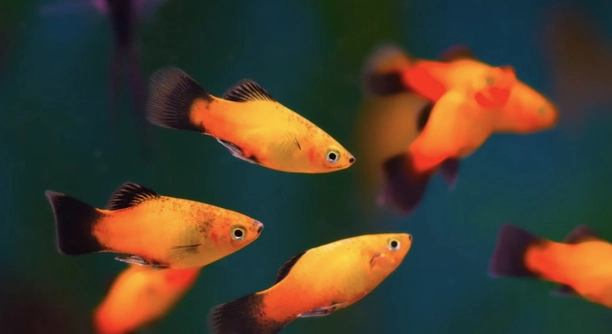
Platies are popular freshwater fish known for their bright colors and easy care. Many people enjoy keeping them in home aquariums. Ensuring their mental well-being is just as important as their physical health.
Improving a platy’s mental health involves providing a stimulating environment, maintaining clean water, offering a balanced diet, ensuring social interaction, and minimizing stress factors. These steps promote natural behaviors and overall well-being.
These simple practices can help create a happier and healthier environment for your platies to thrive in.
Create a Stimulating Environment
Platies need an environment that keeps them engaged. Adding live plants, hiding spots, and decorations can help. These elements mimic their natural habitat and encourage exploration. A varied environment prevents boredom and promotes natural behaviors like swimming and hiding. Changing the layout occasionally can add new interest without causing stress. Make sure the tank has enough space for swimming freely, as cramped areas can lead to frustration and aggressive behavior. Using a gentle filter and maintaining proper lighting also contributes to their comfort. Providing a mix of open areas and places to retreat creates a balanced space for platies to feel safe yet curious. When their surroundings are stimulating, they tend to show more activity and healthier interactions with other fish.
A well-arranged tank helps platies feel secure and active, which is essential for good mental health.
Keeping your platy’s tank interesting with plants and decorations helps them stay mentally sharp and reduces stress, making their environment more natural and enjoyable.
Maintain Clean Water Conditions
Clean water is critical for platy health. Poor water quality stresses fish and can lead to illness. Regular water changes help remove waste and toxins. Testing water parameters ensures levels of ammonia, nitrite, and nitrate stay safe. Filters should be cleaned carefully to avoid killing beneficial bacteria. Avoid overcrowding the tank, as this increases waste and reduces water quality. Proper water temperature, between 72°F and 78°F (22°C to 26°C), also supports their well-being. By keeping water clean and stable, platies are less likely to experience stress, which improves their mental and physical health. Healthy water conditions create a foundation where platies can thrive, stay active, and interact naturally with their environment. It’s important to make water maintenance a regular part of aquarium care to avoid any sudden changes that could unsettle your fish.
Provide a Balanced Diet
Feeding platies a balanced diet keeps them healthy and mentally alert. A mix of high-quality flakes, pellets, and occasional live or frozen foods gives them the nutrients they need.
Variety is important for platies because it provides different nutrients and prevents boredom. Including foods like brine shrimp, daphnia, and bloodworms adds protein and stimulates natural hunting behavior. Vegetables such as blanched spinach or zucchini can supply fiber and vitamins. Avoid overfeeding, as excess food can pollute the tank and harm water quality. Feeding small amounts two to three times daily supports steady energy and good digestion. This balanced approach encourages active behavior and supports their overall mental and physical health.
Consistency in feeding routines also helps platies feel secure. Predictable meal times reduce stress and support positive interactions among tank mates.
Ensure Social Interaction
Platies are social fish and thrive better when kept in groups. A small community of three or more allows them to interact naturally, reducing loneliness.
Keeping platies in groups encourages natural schooling and playful behaviors. Social interaction supports their mental well-being by providing stimulation and companionship. However, be mindful of tank size and compatibility to avoid overcrowding or aggression. Mixing platies with other peaceful species can create a dynamic and lively aquarium environment. Observe their behavior to ensure all fish are getting along well. Proper social conditions can reduce stress, improve activity levels, and increase the lifespan of your platies.
Minimize Stress Factors
Stress affects platies’ health and behavior. Avoid sudden changes in water temperature, loud noises, and overcrowding in the tank.
Stress can weaken their immune system and cause erratic swimming or hiding. Keeping a calm environment and stable conditions helps platies stay relaxed and healthy.
Provide Regular Tank Maintenance
Regular cleaning and water changes keep the tank safe and comfortable. Removing waste and debris prevents toxin buildup that can harm platies. Monitoring water quality consistently ensures their environment remains stable. A clean tank supports good mental health by reducing stress and disease risks. Avoid harsh cleaning chemicals that could leave residues or hurt beneficial bacteria. Keeping the tank well-maintained creates a healthy space where platies can thrive peacefully and display natural behaviors.
Monitor Fish Behavior
Watching your platies closely helps spot early signs of stress or illness. Behavior changes like lethargy, loss of appetite, or aggression need attention. Early detection allows for prompt care adjustments to improve their well-being.
FAQ
How often should I change the water in my platy tank?
Changing 20-30% of the water every week is ideal for keeping platies healthy. Regular water changes remove harmful waste and keep water parameters stable. Avoid changing too much at once, as sudden shifts can stress the fish. Consistent maintenance supports good water quality and mental well-being.
What kind of plants work best for platy tanks?
Live plants like Java fern, Anubias, and hornwort are great choices. They offer hiding spots and improve water quality by absorbing nitrates. Floating plants can provide shade and reduce light stress. These plants create a natural environment that encourages exploration and reduces anxiety.
Can platies live alone, or do they need tank mates?
Platies are social fish and prefer living in groups of three or more. Alone, they may become stressed or lonely. Groups allow them to interact and display natural behaviors, improving mental health. When kept with peaceful species, they thrive best.
What signs show that my platy is stressed?
Stress signs include erratic swimming, hiding for long periods, loss of appetite, and faded colors. Sometimes they may cling to the tank bottom or gasp near the surface. These behaviors indicate poor water quality or environmental issues that need to be fixed quickly.
Is it necessary to feed platies live food?
Live food isn’t necessary but can be a healthy supplement. It encourages natural hunting behaviors and provides extra nutrients. Offering live or frozen foods like brine shrimp or daphnia a couple of times a week can enrich their diet and keep them engaged.
How much space does each platy need?
Each platy should have at least one gallon of water, but more space is better to prevent stress. Overcrowding leads to poor water quality and aggressive behavior. A 10-gallon tank is suitable for a small group of platies.
Can sudden changes in temperature affect platies’ mental health?
Yes, sudden temperature shifts cause stress and can weaken their immune system. Keep the water between 72°F and 78°F (22°C to 26°C) with gradual adjustments if needed. Stable temperature supports calm behavior and overall health.
What should I do if my platy shows signs of illness?
First, test water quality and improve it if needed. Isolate the sick fish if possible and consult a vet or aquarium specialist for treatment advice. Early intervention helps prevent worsening conditions and supports recovery.
How important is tank lighting for platies?
Proper lighting mimics their natural day-night cycle and supports plant growth. Too much light can cause stress and algae growth, while too little can reduce activity. Use moderate lighting for about 8-10 hours daily to balance their needs.
Can platies recognize their owners or surroundings?
Platies do not recognize owners like some pets but can learn feeding routines and respond to movement near the tank. A stable environment and consistent care help them feel secure and less stressed.
Are decorations necessary for platy tanks?
Decorations provide hiding places and reduce stress by offering secure spots. Smooth rocks, caves, and plants help break up open space, making platies feel safer. Avoid sharp objects that could injure them.
How can I encourage my platies to be more active?
A varied diet, stimulating tank layout, and keeping them in small groups encourage activity. Avoid sudden changes and keep the tank clean to maintain their health. Regular interaction during feeding times can also increase their alertness.
Is it okay to keep platies with other fish?
Yes, platies are peaceful and get along with many community fish like guppies, mollies, and tetras. Avoid aggressive species that might bully or stress them. Proper tank size and monitoring are important for harmony.
What are common causes of stress in platies?
Poor water quality, overcrowding, sudden changes in environment, and aggressive tank mates cause stress. Loud noises and excessive light can also affect them. Reducing these factors helps maintain calm and healthy fish.
How long do platies typically live?
With proper care, platies live about 2 to 3 years. Good diet, clean water, and a stress-free environment extend their lifespan and improve quality of life. Monitoring behavior and health regularly supports longevity.
Taking care of a platy’s mental health is just as important as keeping their physical health in check. A happy platy is an active and healthy fish that shows natural behavior. Creating a good environment with clean water, proper food, and social interaction makes a big difference. When you provide these basic needs, platies are less likely to feel stressed or sick. This helps them live a longer and more enjoyable life in your aquarium.
Maintaining consistent care routines is key. Regular water changes, feeding balanced meals, and watching how your fish behave help you catch problems early. Small changes in the tank setup, like adding plants or hiding spots, can improve your platies’ mood and reduce boredom. Platies respond well to a calm and stable environment, so keeping things steady will help them feel safe. Paying attention to their behavior allows you to adjust their care as needed, ensuring they stay comfortable.
Improving your platy’s mental health does not require complicated steps. Simple actions like providing enough space, keeping water clean, and allowing social groups can go a long way. These efforts create a healthy home where your fish can swim freely, interact, and enjoy their surroundings. Taking the time to meet their needs makes caring for platies more rewarding. Healthy, happy platies are a joy to watch and add life to any aquarium.

Hello,
If you enjoy the content that we create, please consider saying a "Thank You!" by leaving a tip.
Every little bit helps us continue crafting quality advice that supports the health, happiness, and well-being of pets around the world, for pets of all shapes, sizes, and species.
We really appreciate the kindness and support that you show us!