
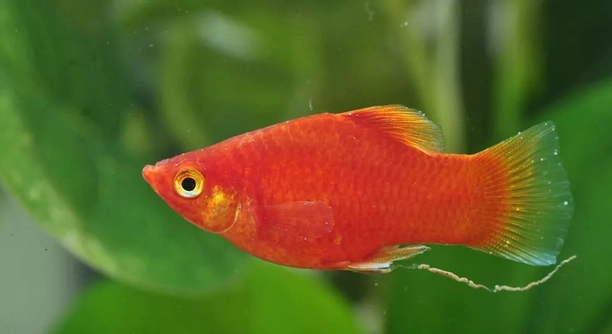
Are your platies acting strangely, always swimming into the filter no matter how many times you try to redirect them? This behavior can be confusing, especially when everything else in the tank seems just fine.
Platies often swim into filters due to strong water currents, poor tank layout, stress, or simply curiosity. Filters can also offer warmth or shelter, making them unintentionally attractive. Monitoring their behavior can help identify the exact cause.
Understanding what drives this behavior is key to creating a safer, more comfortable environment for your fish. Let’s take a closer look at what might be going on.
Common Reasons Platies Swim into the Filter
One reason your platies might swim into the filter is because they’re drawn to the water current. Platies are active fish, and a strong flow can feel natural or even enjoyable for them. Sometimes, though, the current is too strong, making it hard for them to swim away. If your filter is not adjusted properly, it may push them toward it without them realizing the danger. Stress is another factor. If they feel unsafe or overwhelmed by tankmates or poor water conditions, they may seek out quiet, enclosed spaces like the filter area. Filters can also provide warmth or a darker area that feels more secure, especially if the rest of the tank is too exposed. While this behavior might not always seem alarming, it’s important to understand why it’s happening so you can make adjustments and keep your fish healthy.
Some platies are naturally curious and may simply be exploring new spaces within the tank.
Check how your tank is set up. If the filter creates a strong current or if there’s not enough cover or plants, your platies may not have anywhere else to go. Rearranging your tank layout can help guide their movement and prevent accidents. Add plants, hiding spots, or low-flow areas so your fish have more choices when swimming. Also, inspect your filter’s intake to ensure it isn’t too powerful. Some filters come with flow adjusters or attachments to slow the current. If yours doesn’t, you can add a pre-filter sponge to reduce suction and make the area less dangerous. Another tip is to monitor your platies’ behavior during feeding and cleaning times. If they often head toward the filter afterward, they may be stressed or overstimulated. Keeping a routine can make your fish feel more secure and less likely to seek refuge near the filter.
Improving Tank Conditions for Safer Swimming
Start by checking your tank’s current. If it feels too strong, try lowering the filter’s output or placing decorations to break up the flow.
Platies thrive in stable, well-planned environments. Make sure your tank has enough room for them to swim without being constantly pushed by water movement. A crowded tank or poor water quality can stress them out, increasing the chances they’ll hide near the filter. Keep your water clean, and test it regularly for ammonia, nitrites, and nitrates. Add plants or decorations that allow your fish to rest and hide without needing to go near the filter. Avoid sharp objects or designs that might trap or harm them. Another helpful step is to observe the behavior of other fish in the tank. Aggressive or overly active tankmates may push your platies toward the filter. Separating fish or adding more cover can help balance activity and reduce stress. Small changes in layout or maintenance can make a big difference in how safe your platies feel.
How to Adjust Your Filter Safely
Start by checking if your filter has an adjustable flow setting. Many hang-on-back and internal filters allow you to reduce the water movement, which helps make the current gentler for small fish like platies.
If your filter doesn’t have a built-in adjustment, try redirecting the flow. You can do this by placing a sponge or piece of filter foam over the output. This softens the water flow without stopping it completely. Another method is to angle the filter output toward a tank wall or use decorations to block the direct current. Keep an eye on your fish to see how they react after changes. If they swim more freely and avoid the filter, the adjustment likely helped. Make sure the filter is still running efficiently so it continues to clean the water properly. Routine maintenance is also important to avoid clogs that can increase pressure and flow unexpectedly.
For filters with strong suction, adding a pre-filter sponge to the intake can protect your platies from being pulled in. This is especially useful for smaller or weaker fish that may have trouble swimming away from strong currents. A sponge also helps keep debris out of the filter, which can improve its lifespan. Just remember to clean the sponge regularly. If your tank is small and your filter seems too powerful, consider switching to a gentler model that’s more suitable for small fish tanks. When buying a new filter, check the gallons-per-hour rating and choose one that matches your tank’s size. Keeping things balanced helps your platies swim safely and comfortably.
Other Behavioral Signs to Watch For
If your platies keep hiding, show loss of color, or swim frantically, they could be dealing with more than just filter trouble. These signs often point to stress or environmental problems.
It’s common to miss the early signs of stress, especially when fish are still eating or moving around. But over time, small changes in behavior can signal something bigger. A platy that hides too often or avoids other fish might be overwhelmed by noise, poor lighting, or tank aggression. If water quality drops, fish may also become more sensitive and act out of character. Always test your water weekly and look for shifts in ammonia, nitrites, or pH. You can also observe them during feeding—healthy platies should swim up with energy. If they don’t, it could be a sign they’re uncomfortable. Behavioral changes often happen gradually, so a routine observation helps catch problems early before they grow.
What to Avoid When Solving the Problem
Avoid turning the filter off completely. While it may seem like a quick fix, stopping the filter can harm water quality and stress your fish even more. Filters are essential for keeping the tank clean and safe.
Don’t overcrowd your tank with decorations in an attempt to block the filter. Too many items can limit swimming space and make the tank harder to clean. Focus on placing objects thoughtfully, leaving open areas for your platies to move freely.
When to Consider a Different Filter
If you’ve tried adjusting your current filter and your platies still struggle, it might be time for a different setup. Filters that are too powerful or not designed for small tanks can create stressful environments. Look for a gentle model made for small fish, such as a sponge filter or low-flow internal filter. These provide steady filtration without strong currents. Also, consider your tank size—choosing a filter that matches your tank’s capacity can make a noticeable difference. Make sure it’s easy to maintain and doesn’t have strong suction. A good filter keeps the water clean without forcing your fish into unsafe areas.
Final Tips for Preventing Filter-Related Issues
Stick to a regular cleaning routine and observe your fish daily. Simple checks go a long way in spotting early problems and keeping the tank safe.
FAQ
Why do my platies keep swimming near the filter even after I adjusted it?
Even with adjustments, some platies still swim near the filter out of habit or curiosity. If they aren’t being pulled in or showing signs of stress, it’s likely not a problem. The filter may offer shelter or feel like a safe spot to them. Some fish enjoy light currents or simply explore different areas out of instinct. As long as they can swim freely and aren’t getting stuck or hurt, their behavior is usually harmless. Continue to monitor them, and make sure your tank has plenty of alternative places for them to rest or hide.
Is the filter too strong for my platies?
A filter may be too strong if your platies are constantly struggling to swim or getting pushed around the tank. Signs include difficulty staying in one place, hiding more often, or swimming with jerky movements. Platies prefer gentle to moderate water movement, so if the flow is causing them stress, it’s worth lowering it or redirecting it. Try adjusting the output, adding a sponge, or using plants and decorations to soften the current. If the issue continues, switching to a low-flow or sponge filter is a better choice for their comfort and safety.
Can platies get hurt by the filter intake?
Yes, smaller or weaker platies can get caught on a strong filter intake. This can happen if the suction is too powerful or if they swim too close. Injuries may include torn fins, missing scales, or exhaustion. To prevent this, use a pre-filter sponge or mesh cover on the intake. These add a layer of protection while keeping the filter running smoothly. Also, check regularly to ensure the sponge is clean, since buildup can reduce flow and filter performance. Keeping your intake fish-safe is an easy step that helps protect your platies.
Do platies need strong filtration?
Platies don’t need strong filtration, but they do need consistent, gentle water movement and clean conditions. A filter that cycles the tank water a few times per hour is usually enough. More powerful filters can be used if adjusted correctly, but the key is balance. Platies are hardy, but they still rely on good water quality. A sponge filter or adjustable internal filter works well in smaller tanks and is often more suitable than large, high-flow models. As long as ammonia and nitrites stay at zero and your water stays clear, your setup is likely working well.
Why do my platies only swim at the top near the filter?
Platies that stay near the top could be dealing with low oxygen levels. Filters often agitate the surface, which adds oxygen to the water. If the rest of the tank isn’t well-aerated, your fish might gather where they can breathe more easily. Another reason might be that they feel safer near the top or are avoiding other fish. Make sure your tank is not overcrowded and that water parameters are within safe ranges. Adding an air stone or adjusting the filter to create more surface movement can help improve oxygen levels throughout the tank.
How can I tell if my platies are stressed by the filter?
Watch for signs like rapid breathing, hiding more often, faded colors, or refusal to eat. If your platies seem agitated or avoid swimming near certain areas, the current might be too strong or inconsistent. Sudden darting, clamped fins, and constant swimming against the current are also red flags. To reduce stress, slow the flow, add cover, and create gentle zones in the tank. Regular water testing and stable conditions help maintain a low-stress environment. Each fish reacts differently, so observation is key. Making small changes based on their behavior can lead to a calmer, healthier tank.
Can too many platies cause filter-related issues?
Yes, overcrowding can make filter problems worse. More fish means more waste, which puts added pressure on the filter and affects water quality. A tank with too many platies may require more frequent maintenance or a stronger—but still safe—filtration setup. It’s also harder for fish to find peaceful spots in crowded tanks, which may lead them to gather near the filter. Try to stick to a reasonable stocking level for your tank size, and make sure each fish has enough room to swim and hide. Good tank management helps avoid stress and keeps the filter from being overwhelmed.
Final Thoughts
Keeping platies healthy and safe means paying attention to how they interact with their environment. When they spend too much time near the filter, it can be a sign that something in the tank isn’t quite right. It may be the strength of the current, the layout of the tank, or even stress from other fish or water conditions. These small details matter more than we often realize. Watching your platies closely and making changes when needed can help prevent long-term problems. While it’s not always serious, it’s important to understand what your fish are trying to tell you with their behavior.
Making simple changes to your tank setup can lead to big improvements. If your filter is too strong, adjusting the flow or switching to a gentler model may help. Adding plants, hiding spots, or decorations gives your platies more options and helps them feel more secure. Routine care, like testing the water and cleaning the tank, also plays a major role. When water quality is good and the environment is calm, platies are less likely to act in strange or stressed ways. Sometimes just a small shift in where your filter points or a bit more cover in the tank can change everything.
There’s no one-size-fits-all answer, but understanding the most common reasons behind this behavior gives you a place to start. Every tank is a little different, and every fish has its own way of reacting to its surroundings. The key is staying consistent, observing changes, and responding with small, thoughtful adjustments. Over time, you’ll learn what works best for your setup and your platies. These fish are generally easy to care for, and once you have the right balance, they thrive. By keeping an eye on their habits and responding when something seems off, you can create a tank that’s not only safe but also enjoyable for both you and your fish.

Hello,
If you enjoy the content that we create, please consider saying a "Thank You!" by leaving a tip.
Every little bit helps us continue crafting quality advice that supports the health, happiness, and well-being of pets around the world, for pets of all shapes, sizes, and species.
We really appreciate the kindness and support that you show us!