
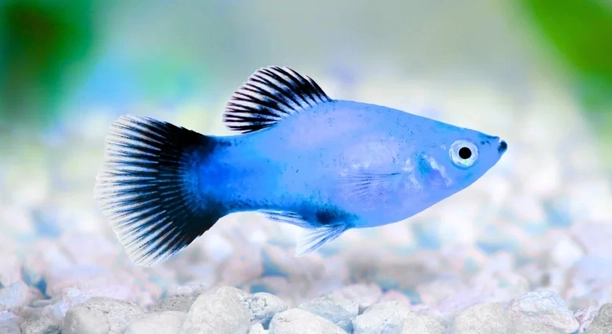
Platy fish are popular for their bright colors and peaceful nature. Many owners enjoy watching them swim, but sometimes their fins show signs of damage. Understanding what causes this can help keep your platy healthy and looking its best.
Platy fin damage often results from a variety of unexpected causes beyond common infections or injuries. These include poor water quality, aggressive tank mates, nutritional deficiencies, stress, improper tank setup, chemical exposure, and sudden changes in the environment. Identifying these factors early helps prevent further harm and promotes recovery.
Recognizing these causes can improve your fish care routine and protect your platy from future fin problems. The following details will help you spot and address these issues effectively.
Poor Water Quality
Poor water conditions can cause fin damage in platies. When ammonia, nitrite, or nitrate levels rise, the fish’s fins may weaken and tear easily. Dirty water can also encourage bacteria and fungi that attack the fins. Platies are sensitive to changes in pH and temperature, which can add stress and cause fin deterioration. Regular water testing and partial water changes are essential. Using a good filtration system helps keep the water clean and balanced. Avoid overcrowding the tank, as too many fish can quickly degrade water quality. Keeping the environment stable allows platies to heal and prevents further fin damage.
High ammonia and nitrite levels are especially harmful. These toxins irritate the fish’s skin and fins, causing damage over time.
Maintaining clean water with proper filtration and regular testing helps keep your platy healthy. Water changes, usually about 25% weekly, remove waste buildup. Testing kits let you monitor pH, ammonia, nitrite, and nitrate levels. Keeping these within safe ranges protects fins and supports overall fish health. Water temperature should stay between 72°F and 78°F, as fluctuations cause stress. Consistency is key to preventing fin damage caused by poor water quality.
Aggressive Tank Mates
Aggressive fish can nip at platy fins, causing tears and infections. Even normally peaceful tank mates may become territorial during breeding or feeding. If your platy shares the tank with fin-nippers, you may see ragged or missing fins. It’s best to keep platies with calm species that won’t bother them. Avoid overcrowding, as it increases aggression.
When aggression occurs, damaged fins can become infected, slowing recovery.
Choosing compatible tank mates reduces fin injuries. Species like guppies, mollies, or peaceful tetras work well with platies. Observe fish behavior closely, especially during feeding times. If aggression is a problem, separating the aggressive fish or providing more hiding spots helps. Planting live or artificial plants creates safe areas and lowers stress. A peaceful community tank keeps your platy comfortable and its fins intact. Regularly check for signs of fin damage and act quickly to prevent infections.
Nutritional Deficiencies
Lack of proper nutrients can weaken platy fins. A poor diet often leads to slower fin growth and vulnerability to damage.
Providing a balanced diet is essential. Platies need high-quality flakes or pellets designed for tropical fish, supplemented with frozen or live foods like brine shrimp and bloodworms. Vitamins and minerals support fin health and overall immune strength. Feeding small amounts two to three times daily prevents overeating and keeps water clean. Avoid relying solely on one type of food, as variety helps meet all nutritional needs. A proper diet helps fins grow back stronger and reduces the chance of tears or infections.
Over time, nutritional gaps can cause fins to look ragged or faded. Even with good water conditions, poor nutrition may hinder healing and lead to repeated damage. Ensuring consistent feeding with a variety of foods supports your platy’s health and helps maintain bright, intact fins.
Stress and Environmental Changes
Stress from sudden changes can harm platy fins. Moving tanks, new decorations, or water parameter shifts cause stress, making fins fragile.
Stress lowers a fish’s immune response, making it more prone to fin damage and disease. Platies do best with stable conditions—consistent temperature, clean water, and minimal disruptions. Gradual acclimation when introducing new fish or equipment reduces shock. Avoid rapid changes in lighting or water chemistry. Even small stresses add up and slow fin recovery. Keeping the environment calm helps your platy stay healthy and comfortable.
Providing hiding spots and maintaining a quiet tank space reduces stress. Regular routines and gentle handling also support fin health by limiting stress-related damage.
Improper Tank Setup
Sharp decorations or rough gravel can tear platy fins. Avoid using items with sharp edges inside the tank.
Choosing smooth, rounded decorations and fine gravel helps prevent accidental damage. Plants, whether live or silk, provide safe places for platies to swim without risk of injury.
Chemical Exposure
Chemicals like chlorine or cleaning agents cause fin irritation. Even small amounts can harm platy fins quickly.
Always use water conditioners to remove chlorine and chloramine from tap water before adding it to the tank. Avoid cleaning the tank with soaps or detergents, as residues can be toxic. Keeping chemicals out of the tank protects your platy’s fins and overall health.
Sudden Temperature Changes
Rapid temperature shifts stress platies and weaken their fins. Stable temperatures between 72°F and 78°F are best.
Sudden drops or spikes in temperature reduce immune function, making fins more prone to damage and slower to heal. Use a reliable heater and thermometer to maintain consistent warmth.
FAQ
What are the first signs of fin damage in platies?
The earliest signs include small tears or frayed edges on the fins. You might also notice discoloration or white spots near the damaged areas. Sometimes, the fins look dull or shorter than usual. These early symptoms should not be ignored, as they often indicate an underlying problem that can worsen without treatment.
How can I quickly improve my platy’s fin condition?
Start by testing and improving water quality. Perform partial water changes and ensure the tank is clean. Check for aggressive tank mates and remove them if needed. Feed a balanced diet with vitamin-rich foods. Add aquarium salt in small amounts to promote healing, but avoid overdosing. Keep the tank temperature stable and minimize stress factors.
Can fin damage heal on its own?
Yes, platy fins can heal naturally if the causes are addressed early. Clean water, proper nutrition, and a stress-free environment support regrowth. However, if infections or constant injuries occur, the fins may not fully recover without treatment. Monitoring and intervention are important for full healing.
Is fin rot the same as fin damage?
Fin rot is a common infection causing fin damage but is only one possible cause. Fin damage may result from physical injury, poor water conditions, or stress without infection. Fin rot shows signs of decay and discoloration, often needing medication. Identifying the exact cause helps choose the right solution.
Should I separate a platy with fin damage?
Separating a platy with damaged fins can reduce stress and risk of further injury, especially if other fish are aggressive. A quarantine or hospital tank allows better monitoring and treatment. However, if the tank mates are peaceful, improving conditions in the main tank might be enough.
What foods help fin regeneration?
High-quality flakes or pellets enriched with vitamins A and C support tissue repair. Live or frozen foods like bloodworms, brine shrimp, and daphnia provide protein essential for fin growth. Avoid overfeeding, which can harm water quality. Offering a varied diet improves overall health and speeds recovery.
How often should I test my tank water to prevent fin damage?
Testing water at least once a week is recommended. Frequent checks for ammonia, nitrite, nitrate, and pH help catch problems early. Regular testing allows timely adjustments before conditions harm your platy’s fins. Keeping a log can track trends and prevent sudden changes.
Can tank decorations cause fin damage?
Yes, decorations with sharp edges or rough surfaces can tear fins when fish swim nearby. Avoid using broken or jagged items. Opt for smooth rocks, plants, and ornaments designed for aquarium safety. Safe decorations protect fins and provide hiding places that reduce stress.
How does stress affect fin health?
Stress lowers immune response, making fins more vulnerable to infections and injury. Causes include overcrowding, aggressive tank mates, sudden environmental changes, and poor water quality. Reducing stress through proper tank management and stable conditions is key to healthy fins.
What treatments are effective for infected fin damage?
Medications containing antibiotics or antifungals treat infected fins. Before using medicine, improve water quality and isolate the affected fish if possible. Follow dosage instructions carefully to avoid harming beneficial bacteria. Support treatment with good nutrition and stable water conditions for best results.
Can fin damage return after healing?
Yes, fins can be damaged again if the underlying problems persist. Continuous poor water quality, aggression, or stress lead to repeated injuries. Maintaining a clean, stable tank environment and monitoring fish behavior helps prevent recurrence.
Is aquarium salt safe for platies?
Aquarium salt can aid fin healing by reducing stress and preventing infections when used correctly. Use only aquarium-grade salt and follow dosing instructions carefully. Too much salt can harm freshwater fish, so measure precisely and avoid frequent high doses.
Platy fin damage can be caused by several unexpected factors that may not be obvious at first glance. Understanding these causes is important for maintaining a healthy tank and preventing further injury to your fish. From poor water quality and aggressive tank mates to nutritional gaps and sudden environmental changes, many elements affect fin health. By paying attention to your tank’s conditions and your fish’s behavior, you can reduce risks and help your platy recover faster.
Taking care of platies requires consistent effort, especially when it comes to water maintenance and diet. Regular testing and cleaning of the tank keep harmful substances at bay and create a stable environment where fins can heal properly. Feeding a balanced, varied diet ensures that your platy gets the nutrients it needs to build strong, healthy fins. Avoiding overcrowding and choosing peaceful tank mates will also protect your fish from physical damage and stress, which can worsen fin problems.
Remember that fin damage is often a sign of an underlying issue, not just a cosmetic problem. Early detection and quick action can prevent serious infections or long-term harm. Simple changes like adjusting water parameters, removing sharp objects, or improving feeding routines can make a big difference. Maintaining a calm, clean, and well-planned tank helps your platy thrive and keeps its fins intact. Consistency and care are key to ensuring your fish stays healthy and happy.

Hello,
If you enjoy the content that we create, please consider saying a "Thank You!" by leaving a tip.
Every little bit helps us continue crafting quality advice that supports the health, happiness, and well-being of pets around the world, for pets of all shapes, sizes, and species.
We really appreciate the kindness and support that you show us!