
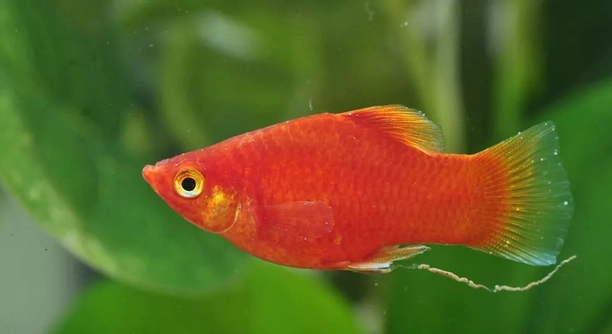
Have you ever noticed your platy fish pausing in front of the aquarium glass and lingering there as if something has caught their attention?
Platies do not recognize their reflection as themselves. Instead, they perceive it as another fish, which can lead to mild territorial or curious behavior depending on the individual fish’s temperament and environment.
Reflections in a tank can influence behavior, so understanding how platies react to their image helps improve their well-being and tank setup.
How Platies React to Their Reflection
Platies are active and curious fish, so it’s not unusual to see them interacting with their own reflection. When a platy notices its reflection, it often responds by flaring its fins or swimming quickly toward the glass. This reaction is usually a display of social or territorial behavior. In a natural environment, such a response would be directed at another fish entering its space. Since the reflection mimics its movements, the platy might stay engaged longer than with an actual tankmate. This can lead to increased stress or excitement depending on how often it happens and how the tank is set up. It’s something to monitor, especially in smaller tanks where the glass plays a bigger role in daily visuals.
If your platy seems agitated or constantly interacting with the glass, it could be reacting to its reflection too often. This behavior might mean your tank needs slight adjustments.
Try softening the lighting or adding more decorations to reduce reflections. Plants, backgrounds, or adjusting the tank’s position can all help. These small changes can create a calmer space and give your platy a clearer sense of territory. When the reflection is less noticeable, the fish tends to act more naturally and stays healthier overall.
Why This Behavior Matters
Excessive interaction with reflections can sometimes cause stress for platies, especially in bare tanks or brightly lit spaces. Watching for signs of frustration or repetitive swimming helps you know when to intervene.
Stress in fish isn’t always obvious, but it can show up as darting, hiding, or sudden changes in eating habits. When a platy spends too much time focusing on a reflection, it may not be resting properly or engaging in normal group behavior. Over time, this can impact its immune system and lead to health problems. Some platies might even nip at the glass, thinking the “other fish” is a threat. This type of behavior is more common in tanks without much decoration or where light bounces sharply off the surfaces. Rearranging the tank with plants, driftwood, or darker backgrounds can reduce the chances of this happening. The goal is to create a balanced, low-stress environment where the fish can interact with real tankmates and explore without confusion. Paying attention to how your platy acts around the glass is a simple but useful way to keep it happy.
Managing Reflections in a Tank
Reflections are more common in tanks with clear glass, strong lighting, and minimal decoration. They can appear at certain angles or during specific times of day, especially if the room is brightly lit or the tank is near a window.
To reduce reflections, start by checking the tank’s position and lighting. Avoid placing the aquarium near direct sunlight or bright indoor lights. Use a background on the back of the tank to absorb light and prevent mirror-like surfaces. Floating plants or tall decorations help break up open areas and limit visible reflections. If your platy keeps reacting to a certain spot, try adjusting that side of the tank first. Adding darker substrates and side coverings can also help. Even small changes, like slightly shifting a lamp or curtain, may make a difference. The goal is to reduce the illusion of another fish so your platy feels more secure and less alert.
Some aquariums benefit from adjustable lighting that dims over the day. This mimics a natural day-night cycle and helps prevent constant reflections. Turning off lights at night and using a soft, indirect source during the day keeps things calm. Keep glass clean, but don’t over-polish it—this can increase glare. Observing when and where reflections occur helps you make simple adjustments that keep the tank peaceful. Each setup is different, so it’s worth trying a few changes to find what works best for your space and your fish’s comfort.
What to Watch for in Platy Behavior
If your platy appears to flare its fins, repeatedly charge at the glass, or hover in the same spot, it might be reacting to a reflection. This is especially true if the behavior is directed at only one section of the tank.
Platies are usually peaceful, active swimmers that explore their space throughout the day. If one begins to act differently—hiding more, refusing food, or focusing on its reflection—it could be a response to stress. Some fish may try to interact socially with their reflection, while others may see it as competition. Both reactions can interrupt natural behavior and make the fish less comfortable in its environment. You may also notice the platy trying to “chase” its reflection, leading to unnecessary bursts of energy or even slight injury from bumping into the glass. These are signs that the environment may need adjusting. Providing more cover, breaking up open space, or repositioning lighting often leads to more stable behavior.
Common Misunderstandings About Reflections
Some people assume platies are just playing when they react to their reflection, but it’s often a stress response. While it may look harmless, constant interaction with a reflection can affect their mood and daily routine.
Another common mistake is thinking it will stop on its own. Without small changes to the tank setup, the reflection usually stays, and the behavior may continue or even increase. It’s not just a phase—it often needs your attention.
Best Tank Conditions for Reducing Stress
To help your platy feel secure, create an environment with a balance of light, plants, and hiding spots. Use floating plants to soften overhead light and provide shaded areas where the fish can relax. Dark-colored tank backgrounds and sides help reduce harsh reflections, while driftwood or tall decorations can break up large open areas. Make sure the tank isn’t placed directly across from windows or bright lights, and avoid strong overhead lighting that runs all day. Stick to a consistent day-night cycle using timers, and keep lighting moderate. These small choices go a long way in helping your platy stay calm.
Final Note on Observation
Watch your platy’s daily patterns and take note of any new behaviors. Subtle changes often reveal when something in the tank needs adjusting.
FAQ
Can platies get stressed from seeing their reflection too often?
Yes, platies can become stressed if they frequently interact with their reflection. What may seem like playful behavior is often a sign of confusion or defensiveness. When a platy sees its reflection, it might mistake it for another fish, which can cause it to display territorial behaviors. This constant state of alertness or confusion can lead to increased stress levels over time. Signs include darting, fin flaring, decreased appetite, or constant glass surfing. If left unaddressed, ongoing stress can weaken a fish’s immune system and lower its overall quality of life. Small environmental changes can help ease this.
Do all platies react the same way to their reflection?
No, each platy can react differently. Some platies may become aggressive toward their reflection, while others ignore it completely. These differences often depend on the individual fish’s temperament, tank setup, and whether the environment offers enough stimulation or hiding spots. A more dominant or territorial platy may view the reflection as a challenge and react strongly. On the other hand, a calmer platy in a well-decorated tank might not pay attention to it. Observation is key—if one fish is consistently agitated in front of a specific area of the tank, it might be reacting to a persistent reflection there.
Is it harmful for a platy to interact with its reflection occasionally?
Occasional interaction with a reflection is usually not harmful. A brief moment of interest or a curious swim toward the glass isn’t cause for concern. It becomes a problem when the behavior turns repetitive, obsessive, or aggressive. If a platy spends long periods flaring, charging, or hovering in front of one spot, that’s a sign to take action. Reducing glare, softening lighting, and adding more decorations can quickly improve the situation. Fish benefit from a low-stress, well-balanced environment where they can explore, hide, and swim freely without overstimulation or perceived threats.
Can reflections confuse platies during feeding time?
Yes, reflections can sometimes distract or confuse platies during feeding. If a fish sees its reflection moving while food is in the tank, it might mistake it for competition and become more defensive or erratic in its eating. This behavior can result in missed meals, increased tension, or unnecessary aggression. If you notice a platy chasing its reflection while ignoring food, try feeding in a less reflective area or reducing lighting during that time. Positioning decorations near feeding zones can help break up the view and limit distractions, leading to calmer, more focused feeding sessions.
What are simple ways to reduce reflections in a tank?
Start by adjusting the lighting. Use softer or dimmable lights, and avoid placing the tank where it catches direct sunlight or harsh room lighting. A solid-colored background can reduce mirror-like surfaces, especially on the back and sides. Adding live or artificial plants, rocks, or driftwood helps break up open space and interrupts reflections. You can also try placing the tank at a slight angle or using curtains or blinds during certain hours of the day. Regularly observing the tank at different times helps you notice when and where reflections appear so you can make targeted changes.
Do platies recognize themselves in a mirror like some animals do?
No, platies do not have the cognitive ability to recognize themselves in a mirror. Unlike a few mammals and birds that have passed mirror self-recognition tests, fish generally lack the brain structure required for this level of self-awareness. When a platy sees its reflection, it perceives it as another fish rather than a reflection of itself. This is why some platies display territorial or social behavior when facing a mirror or reflective glass. Understanding this helps avoid misinterpreting their reactions as signs of boredom or playfulness—they’re likely responding as if another fish has entered their territory.
Final Thoughts
Platies are peaceful, active fish that bring color and movement to freshwater tanks. Understanding how they react to their reflection helps create a space where they can thrive without unnecessary stress. What may seem like simple glass-gazing is often a response to a mirror image that your fish doesn’t understand. Instead of recognizing itself, a platy sees another fish, which can cause it to act territorial, curious, or even anxious. This kind of behavior might not seem serious at first, but over time, it can affect the fish’s mood, energy, and overall well-being. Creating a calm, distraction-free tank environment supports healthier behavior and a more relaxed fish.
Managing reflections is easy when you know what to look for. Reflections become more obvious in tanks with strong lighting, bare walls, and clear glass. If you notice your platy staring at one section of the tank or acting aggressively toward its reflection, small changes can help. Adding plants, backgrounds, and decorations is a simple way to reduce the amount of visible glass. Dimming the light or adjusting the tank’s position also lowers reflection. These changes don’t just make the tank look better—they make it feel safer for your fish. Watching your platy’s behavior after changes can help you decide what’s working and what still needs improvement.
Every fish is different, and some may be more sensitive to reflections than others. What matters most is creating an environment that supports your fish’s comfort and natural behavior. Platies are social and do best in groups, so avoiding unnecessary stress helps them bond and interact in healthier ways. Reflective surfaces can confuse or frustrate them, especially if they think a rival is nearby. By making the tank feel more secure, you’ll help your platy live a more balanced and active life. Whether you’re setting up a new aquarium or updating an existing one, paying attention to light, layout, and glass surfaces can make a real difference. A calm tank means happier fish—and a more enjoyable experience for you as well.

Hello,
If you enjoy the content that we create, please consider saying a "Thank You!" by leaving a tip.
Every little bit helps us continue crafting quality advice that supports the health, happiness, and well-being of pets around the world, for pets of all shapes, sizes, and species.
We really appreciate the kindness and support that you show us!