
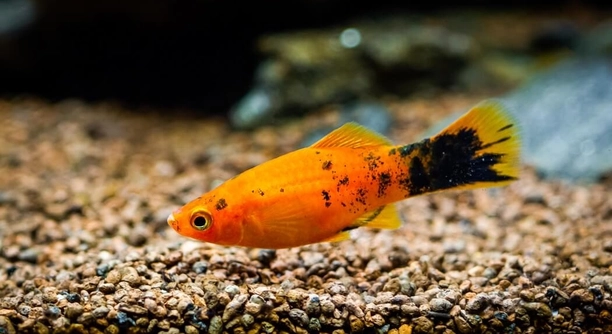
New platies can be exciting pets, but they sometimes show behaviors or needs that are not easy to understand at first. These little fish have specific habits and care requirements that might surprise new owners. Learning about these common confusions can help you take better care of them.
New platies often display behaviors and environmental needs that may confuse beginners, including their diet preferences, social habits, water conditions, and breeding tendencies. Understanding these factors is crucial for maintaining their health and well-being.
Knowing what to expect with new platies will make your experience more enjoyable and help your fish thrive in their home. This guide highlights important points to keep in mind as you care for your new aquatic friends.
Water Conditions That Can Be Tricky
Platies need clean, stable water to stay healthy, but new owners might find this challenging. These fish prefer water that is slightly alkaline, with a pH around 7.0 to 8.2. Sudden changes in water temperature or pH can stress them out, making them more vulnerable to illness. Many beginners overlook the importance of regular water changes, which help remove toxins and keep the tank environment balanced. It’s also important to test water parameters frequently, especially during the first weeks after bringing platies home. Using a good water conditioner is essential when adding tap water to the tank because chlorine and chloramine can harm fish. Keeping the tank clean and stable takes effort but makes a big difference in how platies behave and grow.
New platies are sensitive to poor water quality and sudden changes. Regular testing and water changes are key to keeping them healthy.
Proper water care helps prevent disease and stress in platies. It creates a comfortable habitat where they can thrive. Knowing how to maintain the right water conditions will save time and worry in the long run. A stable environment also encourages natural behaviors and bright colors, which are signs of healthy fish. Setting up a reliable water routine early on gives platies the best chance to live long and happy lives in your tank.
Feeding Habits That Seem Odd
Platies are not picky eaters, but their feeding habits can confuse new owners. They may eat less at times or seem to ignore certain foods. This can happen because platies enjoy variety and sometimes prefer fresh or live foods over flakes or pellets. Overfeeding is another common issue. It might seem like a good idea to give extra food, but it can cause poor water quality and health problems. Feeding small amounts two to three times a day is best. Platies also need a balanced diet with protein and plant matter to stay healthy. Watching how much they eat and adjusting portions can prevent waste and keep the tank clean.
Understanding platy feeding habits helps avoid common mistakes that harm their health.
Feeding the right amount of varied food supports growth and energy. It also reduces leftover food that pollutes the water. Making small changes to feeding routines can improve your platies’ well-being and keep their environment fresh.
Social Behavior Confusion
Platies are social fish but don’t always interact the way new owners expect. They do best in groups but sometimes keep to themselves or show aggression. This is normal and depends on the tank setup and fish personalities.
Platies tend to form loose groups and usually get along well with other peaceful fish. However, males may chase each other occasionally, especially if there are too few females. Providing plenty of space and hiding spots helps reduce stress and aggression. Observing their interactions over time will give clues about how comfortable they feel in their environment. It’s important to keep a balanced ratio of males to females to avoid constant chasing or harassment.
Understanding platies’ social needs can prevent problems like bullying or loneliness. They thrive when they have companions and enough room to swim freely. Adding plants and decorations creates natural boundaries that help keep peace in the tank. Social stress can lead to illness, so managing group dynamics is essential for healthy platies.
Breeding Surprises
Platies are livebearers and can breed quickly, which may catch new owners off guard. Females give birth to fully formed fry, often without much warning.
Breeding can lead to overcrowding if not managed properly. Fry grow fast and need their own space to avoid being eaten by adult fish. It helps to provide hiding places for babies, like dense plants or breeding boxes. Some owners separate pregnant females before birth to protect the fry. Regular tank maintenance becomes more important with breeding because of increased waste and feeding needs. Knowing about breeding behavior prepares you to handle the extra care required.
Watching platies reproduce can be fascinating but requires readiness. Controlling population and ensuring fry survival takes planning. This way, the tank stays balanced and healthy for all fish involved.
Color Changes
Platies often change color, which can be confusing at first. These changes happen naturally as they grow or react to their environment. Stress, diet, and lighting all influence their colors.
Color fading might mean your platy is stressed or unwell. Brighter colors usually show a healthy, happy fish. Keeping water clean and stable helps maintain vibrant colors.
Tank Size Matters
A small tank can cause stress and health issues for platies. They need enough space to swim freely and avoid territorial disputes. A minimum of 10 gallons is recommended for a small group.
Recognizing Illness
Platies may hide signs of illness, making it hard to spot problems early. Watch for changes in behavior, appetite, or appearance to catch issues quickly.
Understanding Lifespan
Platies typically live two to three years, but good care can extend this. Knowing their lifespan helps set expectations and encourages proper care.
FAQ
Why is my platy hiding all the time?
Platies may hide when they feel stressed, scared, or unwell. Changes in water quality, sudden movements around the tank, or aggressive tankmates can cause them to seek shelter. Providing plenty of plants and decorations creates safe spaces, helping platies feel more secure and less likely to hide.
How often should I feed my platies?
Feeding small amounts two to three times daily is best for platies. Overfeeding can pollute the water and harm their health. Give only what they can eat in about two minutes. A balanced diet with flakes, pellets, and occasional live or frozen foods keeps them healthy.
Can platies live with other fish?
Yes, platies are peaceful and get along well with many community fish like guppies, mollies, and tetras. Avoid aggressive or much larger species, which can stress or harm platies. Always research tankmates to ensure compatibility.
How do I know if my platy is healthy?
A healthy platy is active, swims normally, and has bright, even coloring. Their fins should be intact and free of spots or damage. Loss of appetite, lethargy, or visible spots may indicate illness. Regular water tests help maintain their health.
Why are my platies not breeding?
Platies need proper conditions to breed, including stable water parameters and a balanced ratio of males to females. Stress or poor diet can also affect breeding. Ensuring good tank conditions and proper nutrition encourages breeding behavior.
What should I do if my platy looks pale?
Pale coloring often signals stress, illness, or poor water quality. Check water parameters like pH, ammonia, and nitrite levels immediately. Improving tank conditions and reducing stress factors will help your platy regain its color.
How big do platies get?
Platies typically grow to about 2 to 3 inches long. Providing enough space and proper nutrition supports healthy growth. Crowded tanks can stunt their size and cause health problems.
Is it necessary to cycle the tank before adding platies?
Yes, cycling the tank before introducing platies is very important. Cycling establishes beneficial bacteria that break down harmful ammonia and nitrites. Adding fish to an uncycled tank can cause toxic buildup, leading to stress and illness.
Can platies live in cold water?
Platies prefer temperatures between 70 and 78°F (21 to 26°C). They can survive short drops but prolonged exposure to cold water stresses them and can lead to health issues. Using a heater to maintain a stable temperature is recommended.
What plants are best for a platy tank?
Platies enjoy live plants like Java fern, Anubias, and hornwort. These plants offer hiding spots and help maintain water quality. Floating plants can also provide shade and reduce stress, making the tank more comfortable for your fish.
Taking care of platies can be very rewarding, but it does come with some learning. These fish have certain needs and behaviors that might seem confusing at first. Understanding their water requirements, feeding habits, social behavior, and breeding tendencies helps make their care easier. Paying attention to these details ensures platies stay healthy and happy in their tank. It also helps prevent common problems that new owners often face.
Keeping the tank clean and stable is one of the most important parts of platy care. Regular water testing and changes keep harmful chemicals low and the environment balanced. Feeding the right amount and type of food supports their health and prevents waste buildup. Watching how platies interact and behave can tell you if they feel comfortable or stressed. Providing enough space, hiding spots, and good company will improve their well-being. Being aware of these needs lets you enjoy your platies without many surprises.
Overall, patience and observation go a long way in caring for platies. They are hardy fish but still need proper care to thrive. Learning how to manage their specific needs will make keeping platies a positive experience. With the right setup and routine, your platies can live full, healthy lives. Taking time to understand them helps build a peaceful and enjoyable tank environment for both you and your fish.

Hello,
If you enjoy the content that we create, please consider saying a "Thank You!" by leaving a tip.
Every little bit helps us continue crafting quality advice that supports the health, happiness, and well-being of pets around the world, for pets of all shapes, sizes, and species.
We really appreciate the kindness and support that you show us!