
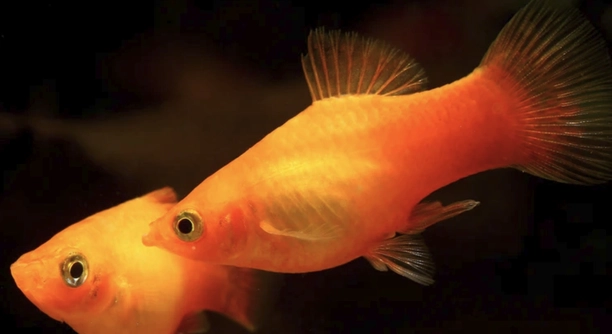
Platies are popular freshwater fish known for their peaceful nature and bright colors. Many fishkeepers enjoy keeping them with other species in community tanks. Understanding how platies interact with their tank mates is important for a healthy aquarium.
Platies do not get tired of their tank mates in the way humans experience boredom or fatigue. However, their behavior can change due to stress, overcrowding, or incompatible species. Maintaining a balanced and calm environment helps ensure their well-being.
Learning about these social dynamics can improve your tank setup and promote harmony among your aquatic pets. Small adjustments can make a big difference in your platies’ comfort and happiness.
How Platies Choose Their Tank Mates
Platies tend to be social fish that enjoy living in groups. They usually do well with other peaceful fish like guppies, mollies, or tetras. However, their preference for tank mates depends on factors like tank size, water conditions, and personality. Some platies are more active and outgoing, while others prefer to stay hidden or swim calmly. When kept with aggressive or very active fish, platies may become stressed and show signs of discomfort. It’s important to provide plenty of hiding spots and plants, so platies can feel safe. The balance of the tank environment plays a major role in how well platies get along with others. Keeping the water clean and stable also helps reduce stress and aggressive behavior. Observing how platies interact daily can guide decisions on changing tank mates or tank conditions to keep harmony.
A balanced group size helps platies stay comfortable and reduces chances of stress-related behavior. They thrive best when there are at least three or more of their own kind in the tank.
Keeping platies with species that share similar water needs and temperaments promotes peaceful coexistence. This harmony encourages natural behavior and improves their health over time.
Signs of Stress Among Platies in Community Tanks
Stress in platies can show through changes in color, appetite, or activity level. They might hide more often or swim erratically if uncomfortable. Stress can also lower their immune system, making them prone to illness. Overcrowding and aggressive tank mates are common reasons for stress. Watching how platies respond to other fish is important for timely action. Providing a calm and stable environment reduces stress and supports their natural behavior.
Signs like faded colors and loss of appetite mean platies need a quieter environment or fewer tank mates.
When stress is noticed, it helps to adjust the tank setup immediately. Removing aggressive fish or increasing hiding spots often improves platies’ well-being. Avoid sudden changes in water conditions, as platies are sensitive to fluctuations. A steady routine in feeding and tank maintenance contributes to reducing stress. Healthy platies show bright colors, active swimming, and regular eating habits. When they are calm and exploring their surroundings, it usually means the tank community is working well for them. If necessary, separating platies into smaller groups or a species-only tank can provide a more peaceful environment. Consistent observation and care ensure platies stay happy and healthy in any community setup.
Managing Tank Dynamics for Platies
Platies do best in tanks where aggression is minimal. Avoid mixing them with large, aggressive species. Keeping compatible fish together reduces stress and promotes natural behavior. Proper tank size is also key to preventing overcrowding and tension.
A tank that is too small or crowded can cause platies to become stressed and behave defensively. Ensuring there is enough swimming space and hiding places helps fish avoid conflict. Regularly monitoring fish behavior allows early detection of tension or bullying. Adjusting the number of tank mates or rearranging decorations can improve harmony. Platies prefer calm, peaceful companions who do not chase or nip. Providing plants and decorations creates safe zones where platies can retreat. This setup encourages less stress and healthier social interactions among fish.
Stable water conditions support peaceful interactions in the tank. Frequent water testing and maintenance prevent problems that cause fish to act out. Keeping water parameters steady promotes overall tank harmony, helping platies feel secure and less aggressive.
When to Separate Platies from Tank Mates
Separation is necessary if platies show constant signs of stress or injury. It helps protect their health and wellbeing in a community tank. Removing platies temporarily or permanently may be the best solution.
Platies that are frequently chased, nipped, or hiding too much need a quieter environment. Separating them gives time to recover and reduces risk of illness caused by stress. In some cases, setting up a species-only tank for platies can improve their quality of life. Watching for signs like torn fins, faded color, or lethargy helps decide when to act. Separation is not always permanent but allows for adjustment and reassessment of tank conditions. This careful approach keeps platies healthy and happier long term.
Creating a Comfortable Space for Platies
Providing plenty of plants and decorations helps platies feel safe. These hiding spots reduce stress and give fish a place to rest away from tank mates. A well-decorated tank encourages natural behavior and peace.
Placing plants evenly throughout the tank creates multiple safe zones. This prevents crowding and allows platies to escape if needed. It also improves water quality by adding oxygen and natural filtration.
Feeding and Its Role in Tank Harmony
Feeding platies and their tank mates the right amount at regular times helps reduce aggression. Overfeeding or competition for food can lead to stress and fights. Using sinking pellets or flakes suited for platies ensures they get enough nutrition without waste.
A consistent feeding schedule keeps fish calm and focused. Feeding small amounts multiple times a day is better than one large feeding. Avoid leaving excess food, which can pollute the water and cause tension among fish. Proper nutrition supports healthy behavior and better relationships between tank mates.
Regular Observation Is Key
Watching how platies behave daily helps catch problems early. Noticing changes quickly can prevent stress or injury from spreading.
FAQ
Can platies live with any other fish?
Platies do best with peaceful fish that have similar water needs. Species like guppies, mollies, and small tetras usually get along well with platies. Avoid keeping them with aggressive or much larger fish, as this can stress platies and cause problems in the tank.
How many platies should I keep together?
It’s recommended to keep at least three platies together. They are social fish and feel more comfortable in groups. Too few can make them shy or stressed, while too many can lead to overcrowding and competition for space and food.
What signs show that platies are stressed?
Look for faded colors, hiding more than usual, loss of appetite, or erratic swimming. These signs indicate that the fish may be uncomfortable or stressed by tank mates, water conditions, or tank setup.
Can platies get tired of their tank mates?
Platies do not get “tired” like humans do, but they can become stressed if tank mates are aggressive or the environment is poor. Stress affects their health and behavior, so maintaining a peaceful community is essential.
What should I do if my platies are stressed?
First, check water quality and tank conditions. Make sure the tank is not overcrowded and there are plenty of hiding spots. Remove aggressive fish if needed and maintain a consistent feeding schedule. Sometimes, separating stressed platies temporarily can help them recover.
How often should I clean the tank to keep platies happy?
Regular water changes, about 20-30% weekly, help keep the water clean and stable. Over time, dirty water causes stress and illness in platies. Cleaning the tank and filtering system ensures a healthy environment for all fish.
Is it okay to keep male and female platies together?
Yes, but be aware that platies breed easily. Keeping both genders together may lead to frequent babies. If you don’t want fry, consider keeping only one gender or having a plan to manage the young fish.
What kind of plants are best for a platy tank?
Live plants like Java moss, Anubias, and Amazon sword provide excellent cover and improve water quality. They create hiding places that reduce stress and make the tank feel more natural for platies.
Can platies live alone?
Platies are social fish and usually do better in groups. Keeping a single platy can lead to loneliness or stress. A small group helps them feel secure and encourages natural, healthy behavior.
How can I tell if my platies are happy?
Happy platies swim actively, eat well, and show bright colors. They explore the tank, interact with each other, and don’t hide for long periods. Observing these behaviors regularly helps ensure their well-being.
Do platies need special water conditions?
Platies prefer slightly alkaline water with a pH around 7.0 to 8.0 and temperatures between 70-78°F (21-26°C). Stable water parameters reduce stress and promote healthy growth and behavior.
What is the best diet for platies?
Platies thrive on a varied diet that includes high-quality flakes, pellets, and occasional live or frozen foods like brine shrimp or bloodworms. A balanced diet helps maintain their color, energy, and health.
Can platies tolerate other species’ behavior?
Platies tolerate calm, peaceful tank mates but may become stressed if housed with aggressive or territorial fish. Choosing compatible species helps maintain a calm and stress-free tank environment.
How can I reduce fighting in a mixed tank with platies?
Provide plenty of space, hiding spots, and avoid overcrowding. Feed the fish regularly and evenly to prevent competition. If fighting continues, consider separating aggressive fish or adjusting the tank community.
Are platies affected by tank size when it comes to social behavior?
Yes, a larger tank gives platies enough space to swim freely and avoid conflict. Small tanks can cause stress and territorial behavior due to limited space. A minimum of 20 gallons is recommended for a small group.
What should I do if a platy is injured?
Isolate the injured fish in a quarantine tank if possible. Keep the water clean and consider using aquarium salt or medications recommended for fin damage. Watch closely for signs of infection or worsening condition.
Platies are friendly and peaceful fish that generally do well in community tanks with compatible species. They enjoy being in groups and feel safer when they have plenty of space and hiding spots. Creating a calm environment with clean water and steady conditions helps platies live comfortably. It’s important to watch how they interact with their tank mates and to be ready to make changes if signs of stress appear. Understanding their needs and behaviors supports a healthy and balanced aquarium.
When platies share a tank, they do not get “tired” of each other like people do, but they can become stressed if conditions are not right. Stress can come from aggressive fish, overcrowding, or poor water quality. If platies are hiding, losing color, or not eating, these are signs they may need a change in their environment. Adding more plants and decorations, reducing the number of tank mates, or even separating fish when needed can make a big difference. Regular tank maintenance and observation are key to catching problems early before they become serious.
Keeping platies happy is about paying attention to their behavior and surroundings. They thrive best in a stable, peaceful tank with suitable companions. Feeding them a balanced diet and providing enough room to swim freely also supports their health. While platies can adapt to different conditions, meeting their basic social and environmental needs helps them stay active and healthy. With proper care, platies can live a long, vibrant life and add beauty to any community aquarium.

Hello,
If you enjoy the content that we create, please consider saying a "Thank You!" by leaving a tip.
Every little bit helps us continue crafting quality advice that supports the health, happiness, and well-being of pets around the world, for pets of all shapes, sizes, and species.
We really appreciate the kindness and support that you show us!