
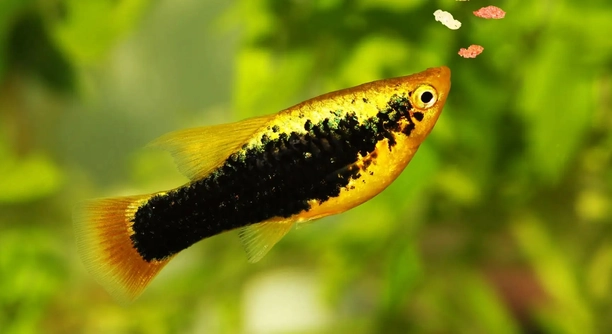
Platies are small, colorful fish that many people keep in home aquariums. They are known for their calm nature and ease of care. Observing how they behave in different situations can reveal a lot about their instincts and well-being.
When scared, platies exhibit noticeable changes in swimming behavior. They tend to swim faster, dart abruptly, and seek shelter more frequently. These responses are typical survival mechanisms to avoid predators and reduce perceived threats in their environment.
Understanding how platies react to stress helps aquarium owners create a safer, more comfortable space for their fish. This knowledge can improve care practices and support healthier fish behavior overall.
How Platies Show Fear in Their Swimming
When platies feel scared, their swimming patterns change quickly. Normally, they swim calmly and explore their tank slowly. But when frightened, they start darting around suddenly, making quick turns. Their movements become sharp and erratic, which helps them avoid danger. They also tend to swim closer to plants or decorations to hide. This behavior is a natural reaction that helps platies stay safe from threats. Observing these changes can tell you when your fish is stressed or scared. It’s important to watch for these signs so you can adjust their environment. Sometimes loud noises, sudden movements near the tank, or aggressive tank mates cause stress. Keeping the tank peaceful and secure makes platies feel more comfortable and swim normally again.
Swimming faster and hiding are clear signs that a platy is scared. These changes help them stay safe when they feel threatened.
Recognizing these behaviors early can prevent stress from harming your platies. Stress can weaken their immune system and affect their health. Giving them plenty of plants or hiding spots reduces fear and promotes calmer swimming. It’s a small step that makes a big difference in their daily life.
Creating a Safe Environment for Platies
Keeping the tank peaceful helps platies feel safe and swim naturally.
A quiet tank with stable water conditions and plenty of hiding places helps reduce fear in platies. Sudden changes in lighting or water temperature can make them nervous, so it’s best to keep things consistent. Adding plants and decorations gives them spots to retreat if they feel scared. Avoid overcrowding the tank or mixing aggressive fish with platies, as this can increase stress. Regular tank maintenance and gentle handling also play important roles. When platies feel secure, their swimming returns to normal, and they show more natural behaviors like exploring and socializing. This safe environment supports their health and happiness, making your aquarium more enjoyable to watch.
Signs of Stress in Platies’ Swimming
Platies under stress often swim in sudden bursts and hide more than usual. Their movements become less smooth and more erratic.
Stress in platies can come from many factors such as poor water quality, aggressive tank mates, or lack of hiding spaces. When stressed, they swim quickly and unpredictably to escape perceived danger. You might notice them darting around the tank or staying near the surface or bottom, avoiding open areas. Over time, stress weakens their immune system, making them more prone to illness. Watching their swimming closely helps identify these signs early so you can act to reduce stress and improve their environment.
Regular water changes, proper filtration, and careful selection of tank mates are key to reducing stress. Creating a stable environment helps platies swim calmly and feel secure. This also encourages natural behaviors and overall better health.
How to Help Your Platies Swim Calmly
Providing a peaceful tank environment helps platies relax and swim smoothly.
Ensure the water temperature stays consistent between 72°F and 78°F, as sudden changes can stress platies. Add plenty of live plants or decorations to offer safe hiding spots. Avoid overcrowding and keep aggressive fish separate to prevent fear and bullying. Feeding a balanced diet and maintaining clean water are also important for their well-being. When platies feel safe, they swim slowly and explore their tank without fear. Small adjustments to their habitat can greatly improve their swimming behavior and health, making your aquarium a more peaceful place for them.
Common Triggers for Fear in Platies
Sudden movements near the tank can startle platies and cause quick, erratic swimming. Loud noises also make them nervous and less active.
Bright lights or changes in water temperature can stress platies, leading to hiding and frantic swimming. Aggressive tank mates may chase or nip at them, increasing fear and stress.
Adjusting Tank Conditions to Reduce Fear
Maintaining stable water parameters is crucial. Frequent water testing ensures temperature, pH, and ammonia levels stay within safe limits. Gentle lighting and gradual changes help platies feel secure. Adding plants and decorations creates hiding places, which reduce fear. Keeping a calm environment without sudden disruptions supports healthier, calmer swimming behavior.
Observing Platies’ Behavior Regularly
Regular observation helps catch signs of fear early. Knowing normal swimming patterns makes it easier to spot changes. This allows for timely adjustments to their environment.
FAQ
Why do platies swim erratically when scared?
Platies swim erratically when scared as a survival instinct. Quick, sharp movements help them avoid predators or perceived threats. This behavior makes it harder for any threat to catch them. Erratic swimming is a way to stay alert and react quickly to danger in their environment.
How can I tell if my platy is stressed or sick?
Stress and illness often show similar signs, such as erratic swimming, hiding, or loss of appetite. However, if your platy also shows faded colors, clamped fins, or slow movements, it might be sick. Stress usually comes first and can lead to sickness if not addressed promptly.
Can sudden loud noises really scare platies?
Yes, loud noises can frighten platies. Their sensitive bodies pick up vibrations through the water, which can make them nervous or cause them to swim erratically. Keeping the aquarium in a quiet area helps reduce this stress.
Do all platies react the same way to fear?
Not necessarily. Some platies might freeze or hide immediately, while others swim quickly to escape. Each fish has its own way of coping, but increased speed and seeking cover are common responses across most platies.
Is it normal for platies to hide a lot?
Platies do hide occasionally, especially if they feel unsafe. However, constant hiding might mean something is wrong in the tank, like aggressive fish or poor water quality. It’s important to check the environment if your platies spend too much time out of sight.
Will platies calm down if I handle them gently?
Platies are sensitive to sudden handling or tapping on the tank. While you should avoid excessive handling, gentle care and minimal disturbance help them stay calm. Regular maintenance done quietly can reduce their stress.
How often should I check my platies for signs of fear?
Daily observation is ideal. Spending a few minutes watching your fish helps you notice changes early. Quick reactions to stress signs, like erratic swimming, can prevent bigger problems.
Can changes in tank water cause fear in platies?
Yes, sudden changes in water temperature, pH, or cleanliness can stress platies. They prefer stable conditions. Regular water tests and gradual changes when needed help keep them comfortable and reduce fearful swimming.
What tank decorations help reduce fear in platies?
Plants, rocks, and other hiding spots give platies places to feel safe. Live plants are especially helpful because they mimic natural environments and provide cover. More hiding places mean less fear and calmer swimming.
Do platies swim differently at night or in the dark?
Platies are less active in low light but still swim slowly around the tank. They may use hiding spots more at night. This behavior is normal and helps them conserve energy and feel secure when they can’t see well.
Can aggressive tank mates cause platies to swim scared?
Yes, aggressive fish chasing or nipping platies cause fear. This stress changes how platies swim, making them dart quickly or hide more. It’s best to choose peaceful tank mates that won’t intimidate or harm your platies.
Is feeding routine linked to platies’ swimming behavior?
A regular feeding schedule helps platies feel secure. Sudden changes or missed feedings might cause stress and erratic swimming. Feeding the right amount and type of food encourages healthy behavior and calm swimming.
How long does it take for platies to stop swimming scared after stress?
Recovery time varies but usually takes a few hours to days after removing the stress source. Providing hiding spots and stable conditions speeds up calming down. Continuous stress, however, may prolong fear and harm their health.
Can I train platies to be less scared?
While platies can get used to gentle tank activity, their natural fear response can’t be fully removed. Consistent, calm care helps them feel safer, but sudden threats will still trigger quick swimming. Patience and a good environment are key.
What is the best water temperature to keep platies calm?
Keeping the water temperature between 72°F and 78°F supports calm swimming. Sudden changes or extreme temperatures cause stress and erratic behavior. Using a reliable heater and thermometer helps maintain this range consistently.
Are there signs in platies’ swimming that show they are happy?
Happy platies swim smoothly, explore their tank, and interact with other fish calmly. Their movements are steady and relaxed, with no sudden bursts or hiding. Bright colors and active feeding also indicate good health and comfort.
Should I separate scared platies from others?
If a platy is constantly chased or stressed by other fish, temporary separation can help. It reduces fear and allows recovery. However, platies are social fish and do better in groups, so aim to fix the cause of fear rather than isolating them long-term.
Final Thoughts
Platies are gentle fish that show clear signs when they feel scared or stressed. Their swimming changes noticeably—they move faster, dart suddenly, and often hide. These behaviors are natural responses to feeling unsafe, helping them avoid threats. Paying close attention to how your platies swim is an easy way to understand their well-being. When you notice erratic swimming or constant hiding, it usually means something in their environment is causing stress. Addressing these signs early helps keep your fish healthy and happy.
Creating a calm and stable tank environment is key to helping platies feel secure. Consistent water temperature, clean water, and plenty of hiding spots make a big difference. Plants and decorations give them places to retreat, which lowers their fear and reduces frantic swimming. Avoiding loud noises, sudden movements around the tank, and aggressive fish also helps keep stress low. When platies feel safe, they swim more smoothly and display natural, relaxed behaviors. Small changes in how you care for your tank can have a strong positive effect on your fish.
Watching your platies regularly and learning their normal behavior will make it easier to spot any signs of stress or fear. It’s important to maintain their tank well and keep conditions steady. By doing so, you encourage calm swimming and a healthier life for your platies. This not only benefits the fish but also makes your aquarium a more peaceful and enjoyable place to watch. Remember, the little things you do every day—like quiet care and regular tank checks—can help your platies thrive and swim with confidence.

Hello,
If you enjoy the content that we create, please consider saying a "Thank You!" by leaving a tip.
Every little bit helps us continue crafting quality advice that supports the health, happiness, and well-being of pets around the world, for pets of all shapes, sizes, and species.
We really appreciate the kindness and support that you show us!