
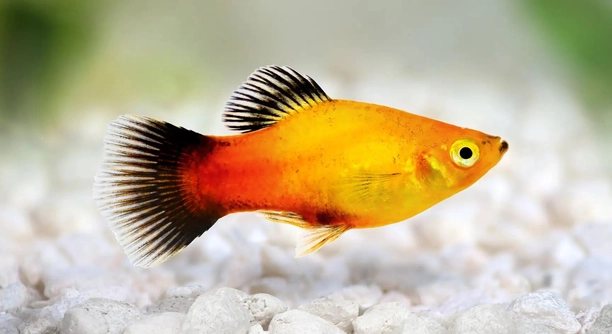
Have you ever watched your platies swim around and noticed one seems to chase or boss the others more than usual?
Platies can display dominant behavior, especially in mixed or overcrowded tanks. This behavior often includes chasing, nipping, or claiming certain areas of the aquarium as territory, particularly among males or when resources are limited.
This subtle behavior is easy to miss, but it can affect the health and balance of your tank community.
What Dominant Behavior Looks Like in Platies
Platies may seem peaceful at first, but a closer look can reveal small signs of dominance. Males are more likely to act this way, especially if there are too many fish in the tank or not enough females. You might see one platy chasing the others around, especially during feeding time or when a new fish is added. Sometimes, they will guard a specific area and chase away any other fish that comes near. This behavior isn’t always aggressive, but it can cause stress for the other platies. Constant chasing, fin nipping, and staying too close to one fish are signs that one is trying to be dominant. If left unchecked, this stress can lead to health issues, like reduced appetite or faded color. Knowing what to look for makes it easier to fix the situation early and avoid long-term problems in your tank.
Noticing these patterns early can help keep your tank healthy and peaceful.
Watching how your platies interact daily can reveal a lot. If one fish is constantly being chased or hiding, it’s a good sign something isn’t right. Keep an eye out and take note of any changes in behavior, especially around feeding or breeding times.
What You Can Do About It
Providing more space and hiding spots often helps reduce this behavior.
If your platies are acting out, the first thing to check is your tank size. Overcrowding can bring out stress and make some fish act more aggressively. A good rule is one inch of fish per gallon of water. Adding plants, decorations, or caves gives the fish more places to hide and rest. It also helps break up the line of sight, so the dominant fish can’t constantly see and chase others. Make sure there are more females than males in the tank—ideally, two to three females for each male. This reduces the competition and spreads out the attention during breeding periods. Feeding them in separate spots and at the same time each day can also calm things down. If one fish remains overly aggressive, you might need to move it to a different tank. These small changes can help bring balance back and let every platy feel safe.
Why Tank Conditions Matter
Poor tank conditions can make dominant behavior worse. When water quality drops or space is too tight, fish get stressed. This stress can lead to chasing, hiding, or fighting, especially if they feel unsafe or overcrowded. Balanced conditions help keep everyone calm and more relaxed.
Clean water, stable temperature, and a good filter go a long way in keeping your platies healthy and peaceful. Try to do regular water changes—about 25% every week. Keep the tank between 72–78°F and test the water for ammonia, nitrites, and nitrates. If you notice your fish acting differently, check these levels first. Also, think about how many fish are in the tank. Platies are social but still need space. A 10-gallon tank is the minimum for a small group. Too many fish can turn even calm platies into bullies. Keeping the tank in good shape is one of the best ways to avoid problems.
Water movement and lighting also matter. Too much current can stress smaller or weaker fish, making it easier for a dominant fish to take over. Lighting should be steady but not too bright. A consistent light schedule—about 8 to 10 hours a day—can keep them on a regular rhythm. If things seem off, test and adjust one thing at a time rather than changing everything at once. Platies respond well to routine, and small tweaks can make a big difference in their behavior. When their environment feels steady and secure, they’re more likely to get along.
How Gender Ratios Affect Behavior
Having too many males in one tank often leads to chasing and stress. Male platies compete for attention, especially when there aren’t enough females. A balanced ratio helps reduce this tension and keeps the tank more peaceful.
Aim for at least two or three females for every male. This spacing helps spread out attention and keeps one fish from being overwhelmed. When the balance is off, aggressive behavior tends to increase.
When to Separate a Dominant Platy
If one fish continues to chase or nip after changes have been made, it may be time to move it. Separation isn’t always permanent, but it gives the others a break and reduces stress. A breeding box or a separate tank can work well. Use this time to observe the fish. After a few days, the dominant one may calm down and be ready to return. If not, it may need a longer separation or a tank of its own. This step helps protect the health of the rest of your fish and keeps the tank running smoothly.
What to Watch For
Look for torn fins, hiding, or loss of appetite. These are signs that a fish is being bullied and needs help quickly.
Can Platies Live Together Without Showing Dominant Behavior?
Yes, platies can live peacefully together if the tank conditions are right. A spacious tank with plenty of hiding spots helps reduce tension. Keeping a balanced male-to-female ratio and maintaining good water quality also lowers chances of dominant behavior. Sometimes, small signs of dominance happen but do not usually cause harm when managed well.
What Are the Main Signs That a Platy Is Being Dominant?
Dominant platies often chase others around the tank, especially during feeding or when new fish arrive. They may nip at fins, block access to certain areas, or stay close to a chosen spot. These behaviors can stress other fish, causing them to hide or lose appetite. Watching your fish regularly helps catch these signs early.
How Can I Reduce Aggression Between Platies?
To reduce aggression, increase the tank size or add plants and decorations for hiding. Make sure the male-to-female ratio favors females—two or three females per male is best. Feed fish evenly and avoid overcrowding. Regular water changes and stable tank conditions keep stress low, which helps calm aggressive behavior.
Is It Normal for Male Platies to Chase Females?
Yes, males often chase females as part of breeding behavior. While this is normal, too much chasing can stress females. Keeping multiple females with fewer males helps spread out the attention and reduces harassment. Providing hiding places also lets females take breaks when needed.
Should I Remove a Dominant Platy From the Tank?
If a dominant platy is causing constant stress or injury to others, removing it temporarily or permanently is a good idea. Sometimes separating the aggressive fish helps the tank settle. Use a breeding box or a separate tank for separation. If behavior doesn’t improve, the fish may need a permanent new home.
Can Dominant Behavior Cause Health Problems?
Yes, stress from bullying can lead to poor appetite, faded colors, and weakened immune systems. Stressed fish get sick more easily and recover slower. Early intervention by adjusting tank conditions or separating aggressive fish helps prevent these health issues.
Do Female Platies Show Dominant Behavior?
Female platies are generally less aggressive but can show mild dominance, like claiming a hiding spot or chasing smaller fish. This behavior is usually less intense than males and rarely causes serious problems. Still, it’s good to watch for any signs of stress or injury among tankmates.
Will Adding More Plants Help Reduce Dominance?
Adding plants helps break sight lines and provides hiding spots, reducing stress and dominance displays. Live plants also improve water quality, which benefits all fish. Dense planting allows shy or weaker fish to escape attention, making the tank a calmer place overall.
How Important Is Tank Size in Preventing Dominance?
Tank size is very important. A small tank with too many fish increases stress and competition. Larger tanks give each fish more space and reduce conflicts. For platies, a 10-gallon tank is the minimum for a small group, but bigger is always better to avoid dominance issues.
Can Feeding Practices Influence Dominant Behavior?
Yes, feeding fish at the same time and spreading food evenly helps reduce chasing. When food is scarce or crowded in one spot, dominant fish may chase others away. Offering small amounts several times a day and feeding in multiple locations keeps everyone fed and less aggressive.
Platies are generally peaceful fish, but like many animals, they can show dominant behavior at times. This is especially true in tanks where space is limited or when the balance of males and females is off. Dominant platies might chase others, guard certain areas, or nip at fins. These actions are usually natural ways for them to establish territory or show breeding interest. However, if this behavior becomes too intense, it can cause stress and harm to the other fish in the tank. Recognizing the signs early and taking steps to manage the situation can help keep your aquarium healthy and calm.
Maintaining a good environment is one of the best ways to reduce dominance in platies. A spacious tank with plenty of plants, decorations, and hiding spots gives each fish its own space. Keeping the right number of males and females also helps spread out the attention and lowers aggressive behavior. Regular water changes and stable water conditions reduce stress and improve the overall health of your fish. Feeding your platies evenly and on a schedule helps avoid competition during mealtime, which can sometimes trigger chasing. These simple actions make a big difference in how your platies interact and live together peacefully.
Sometimes, despite your best efforts, one fish may still act too aggressively. In these cases, separating the dominant platy for a while can help calm the tank. This gives other fish a break and prevents injuries or ongoing stress. Observing your fish closely allows you to decide if the aggressive fish can be reintroduced or needs a permanent home elsewhere. Remember, keeping platies comfortable and secure is key to preventing harmful dominance. With patience and good care, most platies live happily together without serious problems.

Hello,
If you enjoy the content that we create, please consider saying a "Thank You!" by leaving a tip.
Every little bit helps us continue crafting quality advice that supports the health, happiness, and well-being of pets around the world, for pets of all shapes, sizes, and species.
We really appreciate the kindness and support that you show us!