
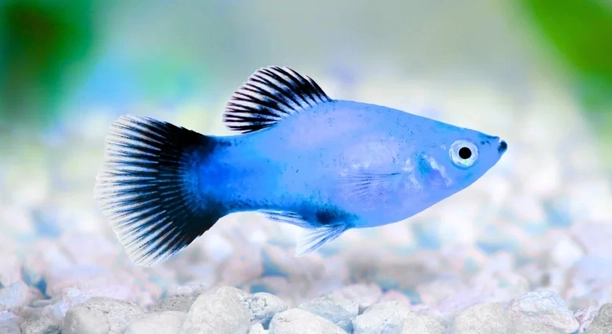
Some foods can cause discomfort to your platy fish, even if they seem harmless. Knowing which foods to avoid helps maintain your platy’s health and keeps its stomach calm. This article highlights common foods that might upset your platy’s digestion.
Certain foods, such as fatty meats, processed snacks, and high-protein or spicy items, can disrupt a platy’s digestive system. These foods may cause bloating, constipation, or poor nutrient absorption, negatively affecting the fish’s overall well-being and behavior.
Understanding these dietary concerns can help you provide better care for your platy. Learning what to avoid ensures your fish stays healthy and happy in its aquatic environment.
Fatty and Oily Foods
Fatty and oily foods can be hard for a platy’s digestive system to handle. These foods include certain types of meat or fried snacks that may accidentally fall into the tank. When a platy consumes too much fat, it can slow down digestion and cause bloating. This might lead to discomfort or even swim bladder issues, which affect the fish’s balance and movement. Over time, regular consumption of fatty foods may weaken the platy’s immune system, making it more vulnerable to diseases. It is best to avoid feeding fatty or oily items and stick to a balanced diet made up of flakes, pellets, and occasional fresh vegetables. Keeping the diet clean helps your platy stay active and healthy for a longer time.
Oily foods cause slow digestion and can disrupt a platy’s normal activity and health.
A careful diet helps prevent digestive troubles. Providing a variety of suitable foods improves nutrient intake, supports immune health, and encourages natural behaviors. A balanced approach avoids unnecessary risks from unsuitable treats.
Spicy and Seasoned Human Foods
Human foods with spices or seasonings are not suitable for platys. These additives can irritate their sensitive digestive tracts and cause discomfort. Even small amounts of spicy foods like chili or seasoned snacks can upset their stomach and lead to stress or illness. Platys are adapted to simple diets and need clean, plain food to thrive. Feeding them foods that contain salt, garlic, or artificial flavors may cause serious health problems. It is important to keep human snacks and leftovers away from the tank. Instead, focus on providing fresh, fish-safe foods that meet their dietary needs. Doing so ensures your platy enjoys a calm and healthy life without digestive interruptions. Consistent care and proper feeding habits play a key role in preventing dietary issues caused by inappropriate foods.
Processed and Packaged Foods
Processed and packaged foods often contain preservatives and chemicals harmful to platies. These additives can irritate their digestive system and disrupt gut flora, causing discomfort or illness.
Many processed foods include ingredients like artificial colors, preservatives, and high levels of salt or sugar. These substances are not natural for platies and can create imbalances in their digestive tract. The chemicals may lead to reduced nutrient absorption or inflammation, weakening the fish over time. Feeding packaged snacks or leftovers designed for humans is unsafe for your platy. Instead, offer natural and species-appropriate foods that support their health and digestion. Avoiding processed items helps maintain a clean and balanced aquarium environment, promoting your fish’s longevity and comfort.
Consistent avoidance of processed foods ensures your platy’s digestive system remains stable. Fresh, natural diets protect against common health problems linked to artificial additives and support overall vitality.
High-Protein Animal-Based Foods
High-protein animal foods like large insects or raw meat can be too rich for platys. Their digestive systems are not equipped to process heavy protein loads well.
Animal-based protein sources may cause digestive blockages or slow digestion when overfed. Platys need moderate protein from balanced fish food rather than excessive animal tissue. Large insects or raw meat pieces risk contamination or bacterial growth in the tank, increasing health risks. Excess protein can also lead to water quality problems from leftover waste. It is better to provide commercial fish flakes or pellets formulated for platys that contain the right balance of protein, vitamins, and minerals. These foods support proper digestion and fish health without causing stress or discomfort.
Feeding too much animal protein can upset the platy’s stomach and reduce water quality. Choosing balanced, specialized diets prevents these issues and encourages steady growth and vitality.
Dairy Products
Dairy products like milk, cheese, and yogurt are not suitable for platies. Their digestive systems cannot process lactose, which can cause upset stomachs or bloating.
Even small amounts of dairy can lead to digestive distress. It’s best to avoid offering any dairy items to your fish to maintain their health and comfort.
Raw Vegetables
Raw vegetables such as lettuce or spinach may be difficult for platys to digest if not prepared properly. Feeding raw vegetables in large amounts can cause constipation or bloating.
Offering small, softened portions of vegetables ensures easier digestion. Lightly blanching vegetables before feeding helps break down fibers and reduces the risk of stomach upset.
Citrus Fruits
Citrus fruits contain acids that can irritate a platy’s digestive tract. These fruits may cause discomfort and affect the balance of the aquarium water if overfed.
Avoid giving your platy citrus fruits to prevent irritation and maintain a stable, healthy environment for your fish.
FAQ
What foods are safest to feed a platy?
Platys do best with high-quality commercial flakes or pellets designed for small tropical fish. These foods offer balanced nutrition suited for their digestive systems. Occasionally, small amounts of fresh vegetables like zucchini or peas, softened by blanching, can be added to their diet. Avoid overfeeding to prevent digestive problems and maintain water quality.
Can platys eat fruits safely?
Most fruits are not recommended due to their acidity and sugar content. Small bits of mild fruits like melon can be given rarely, but citrus and acidic fruits should always be avoided to prevent stomach irritation and water quality issues.
Why should I avoid feeding human snacks to my platy?
Human snacks often contain salt, spices, preservatives, and artificial flavors that can harm platys. These additives may cause digestive discomfort, stress, or illness. Keeping the diet strictly to fish-safe foods helps maintain your platy’s health.
Is it okay to feed live insects?
Small live insects like brine shrimp or daphnia can be healthy treats in moderation, but large or fatty insects might cause digestive problems. Always ensure live food is clean and from a safe source to avoid introducing parasites or bacteria.
How can I tell if my platy has an upset stomach?
Signs include bloating, difficulty swimming, lethargy, or loss of appetite. Changes in behavior or physical appearance often indicate digestive distress. Promptly adjusting the diet and checking water quality can help your platy recover.
Can overfeeding cause stomach problems?
Yes. Overfeeding leads to excess waste in the tank, poor water quality, and digestive issues like constipation or bloating. Feeding small, controlled portions and removing uneaten food helps prevent these problems.
Are frozen foods safe for platys?
Frozen foods such as bloodworms or brine shrimp are generally safe and nutritious if thawed properly before feeding. They should be offered occasionally and balanced with regular fish food to avoid digestive upset.
What should I do if my platy refuses food?
Refusal to eat may signal illness, stress, or poor water conditions. Check the water quality and temperature first. Offering a variety of suitable foods can encourage eating. If the problem continues, consult a specialist.
Can changes in diet affect water quality?
Yes. Uneaten or unsuitable foods can decompose and increase toxins in the tank. A proper diet helps reduce waste and maintain stable water conditions, essential for your platy’s health.
Is it necessary to vary my platy’s diet?
Varying the diet provides balanced nutrition and helps prevent boredom. Combining commercial flakes with occasional fresh vegetables or live/frozen treats supports overall health without causing digestive issues.
Final Thoughts
Taking care of a platy’s diet is essential for its health and happiness. Feeding the right foods helps keep their digestive system working well and prevents discomfort. Avoiding fatty, spicy, processed, or human foods reduces the risk of stomach upset. These kinds of foods can cause bloating, constipation, or other digestive problems that may make your platy less active or stressed. A simple, balanced diet that includes quality fish flakes or pellets along with occasional fresh vegetables is the best way to support your fish’s wellbeing.
It is important to remember that platys have delicate digestive systems designed for specific types of food. Introducing unsuitable items like dairy, raw vegetables, or citrus fruits can cause irritation or poor digestion. Even small amounts of these foods may lead to health issues over time. Regularly observing your platy’s behavior and physical condition helps detect early signs of digestive problems. If you notice bloating, loss of appetite, or changes in swimming patterns, it may be a sign that the diet needs adjustment. Proper care involves monitoring not only what you feed but also how much and how often to avoid overfeeding.
Maintaining a clean tank environment is also part of good dietary care. Uneaten food or improper diet choices can lead to water quality problems, which further impact your platy’s health. By sticking to a consistent feeding routine with safe and appropriate foods, you reduce waste and help preserve water conditions. This balance supports your platy’s long-term health, making it more energetic and vibrant. Paying close attention to your fish’s dietary needs ensures it lives comfortably and thrives in your care.

Hello,
If you enjoy the content that we create, please consider saying a "Thank You!" by leaving a tip.
Every little bit helps us continue crafting quality advice that supports the health, happiness, and well-being of pets around the world, for pets of all shapes, sizes, and species.
We really appreciate the kindness and support that you show us!