
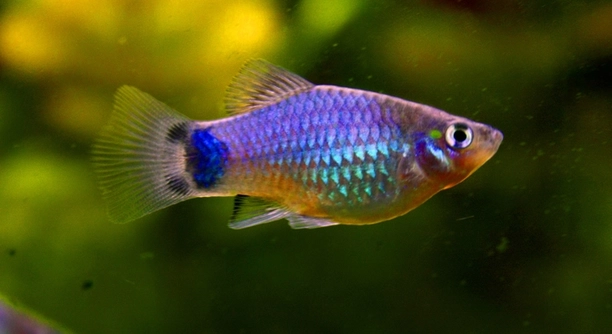
Platies are small, colorful fish often kept in home aquariums. They display a variety of behaviors that can change depending on their environment and interactions. Understanding their moods can help owners provide better care and a healthier habitat.
Platies do show mood changes through their behavior, including changes in activity level, color intensity, and social interactions. Stress, illness, or environmental changes often trigger these behavioral shifts, which are observable indicators of their emotional state.
Observing these behavior patterns offers valuable insights into platies’ well-being and helps maintain a balanced aquarium environment.
How Platies Express Their Moods
Platies communicate their feelings mainly through body language and color changes. When they are happy or comfortable, their colors appear brighter and their movements become smooth and lively. In contrast, a stressed or scared platy might hide behind plants, swim erratically, or lose its usual color vibrancy. Aggressive behaviors can also signal mood shifts, such as chasing other fish or flaring fins. These behaviors usually occur when the environment changes suddenly, like water quality drops or new tank mates are introduced. Recognizing these signs early allows for quick adjustments to improve their comfort. Observing platies over time reveals clear patterns of how their mood affects their daily behavior.
Consistent behavior monitoring is key to spotting subtle mood changes before serious problems arise.
Mood signals in platies provide clues about their health and environment. Changes in color or behavior reflect their reaction to stress, illness, or comfort. Proper tank conditions and gentle handling help maintain positive moods and reduce negative behaviors, supporting their overall well-being.
Environmental Factors Affecting Platy Behavior
Water quality greatly influences platies’ moods and behavior. Poor water conditions, such as high ammonia or low oxygen, cause stress and lethargy. Sudden temperature changes also disrupt their normal activity. Overcrowding or incompatible tank mates can increase aggression and fear responses. These factors create an unstable environment that platies quickly respond to by altering their behavior. Maintaining stable temperature, clean water, and appropriate tank size supports calm and healthy fish. Regular testing of water parameters helps prevent mood disturbances caused by environmental stressors. Feeding schedules and diet quality also impact mood, with poor nutrition sometimes leading to dull coloration and inactivity. A well-maintained environment encourages platies to express natural behaviors and display vibrant colors.
Stress from environmental factors is a major cause of mood changes in platies. Proper tank maintenance minimizes these issues, promoting healthier behavior and overall vitality.
Recognizing Stress in Platies
Stress in platies often shows through changes in behavior and appearance. They may become less active, hide more, or display faded colors. Stress can weaken their immune system, making them prone to illness.
Common causes of stress include poor water quality, overcrowding, and sudden changes in the tank environment. Platies may also react negatively to aggressive tank mates, which can increase their anxiety. Stress affects their appetite and overall activity level. Watching for these signs helps catch problems early.
Addressing stress quickly improves platy health. Regular water testing and stable tank conditions reduce stress factors. Providing plenty of hiding spots helps platies feel secure. Avoid sudden changes in temperature or lighting, as these can be stressful. Ensuring compatible tank mates minimizes aggression and fear. Reducing stress is essential for platies to show their best behavior and colors.
Mood Changes During Breeding
During breeding, platies often become more active and display brighter colors. Males may chase females or show more territorial behavior. This increased activity is a normal part of their reproductive cycle.
Females might also change behavior, becoming more secretive or spending time hiding as they prepare to give birth. Breeding can cause temporary stress, but it is natural and usually short-lived. Maintaining stable tank conditions during this time helps reduce added stress.
It’s important to monitor breeding behavior closely to ensure it does not escalate into aggression that could harm the fish. Separating overly aggressive individuals may be necessary. Providing plenty of plants and hiding spaces supports a calm environment during breeding periods. Proper care during these times supports healthy mood regulation and breeding success.
Interaction with Tank Mates
Platies generally get along well with peaceful fish, but mood changes can occur if they feel threatened. Aggression or bullying from other fish can make platies hide or act nervously.
Social behavior also affects mood. Platies often swim in groups, and isolation may cause stress or lethargy.
Signs of Illness Affecting Behavior
Illness often causes noticeable changes in platy behavior. A sick platy might stop eating, swim erratically, or isolate itself. Physical signs like clamped fins or discoloration usually accompany these behavioral changes. Early detection of illness is important to prevent worsening health.
Adjusting Care for Mood Changes
Small adjustments in care can help improve a platy’s mood. Changing water regularly, providing hiding places, and ensuring proper diet all make a difference.
Importance of Consistent Observation
Regularly watching platies allows for early detection of mood or health changes. This consistency helps keep the fish healthy and comfortable.
FAQ
Can platies really show mood changes through behavior?
Yes, platies do show mood changes through their behavior. Changes in activity levels, color brightness, and social interactions are key indicators. Stress, illness, and environmental factors often cause these changes. Paying attention to how a platy moves or interacts with others can reveal how it feels inside its tank.
What are the most common signs of stress in platies?
Signs of stress include hiding, reduced activity, faded colors, and erratic swimming. Stressed platies may also lose their appetite or become more aggressive. These behaviors signal discomfort due to poor water quality, overcrowding, or aggressive tank mates. Recognizing stress early helps prevent illness.
How do environmental changes affect platy behavior?
Sudden changes in water temperature, pH, or cleanliness can stress platies, causing them to act differently. Overcrowding and incompatible tank mates can increase aggression or fear. A stable, clean environment with compatible companions helps keep platies calm and active.
Can mood changes indicate health problems?
Yes, mood changes often reflect health issues. A sick platy may swim slowly, isolate itself, or show dull colors. Behavioral changes like loss of appetite or erratic movements often come before visible symptoms. Early observation helps catch illness before it worsens.
Do platies act differently during breeding?
During breeding, males often become more active and territorial, chasing females. Females may hide more as they prepare to give birth. These changes are normal but can cause temporary stress. Providing hiding spots and maintaining good tank conditions helps minimize stress during breeding.
How do tank mates influence platy behavior?
Platies are social but prefer peaceful companions. Aggressive fish can cause stress, leading to hiding or nervous behavior. Keeping platies with compatible species encourages natural, calm behavior. Isolation or aggressive tank mates can negatively impact their mood.
What care adjustments can improve a stressed platy’s mood?
Improving water quality with regular changes, adding hiding spots, and feeding a balanced diet can reduce stress. Avoid sudden environment changes and keep tank conditions stable. These steps help platies feel secure and show more natural behavior and colors.
How often should I observe my platies for mood changes?
Daily observation is best for noticing subtle changes in behavior or appearance. Consistent watching helps identify stress, illness, or discomfort early. This allows for quick action to improve tank conditions and platy health.
Can platies recognize their owners or environment?
Platies respond to their environment and can learn feeding routines. They may become more active around owners who regularly feed them, showing a form of recognition. However, their reactions are based more on routine and safety than emotional bonding.
Is it normal for platies to hide sometimes?
Yes, hiding is normal behavior, especially if platies feel threatened or need rest. However, excessive hiding or sudden changes in hiding habits can indicate stress or illness. Providing plants and decorations offers safe spaces, promoting a sense of security.
What should I do if my platy’s mood seems off?
First, check water quality and tank conditions for any changes or issues. Observe tank mates for aggression. Adjust care by improving water parameters, adding hiding places, and ensuring proper feeding. If mood changes persist, consult a fish health expert to rule out illness.
Platies are small fish that can show changes in their mood through behavior and appearance. Watching their movements, color changes, and how they interact with other fish can tell you a lot about how they feel. These signs are important because they help you understand when something might be wrong or when the fish is comfortable. Knowing what to look for can improve how you care for your platies and help keep them healthy and happy.
Mood changes in platies often happen because of stress, illness, or changes in their environment. Stress can come from poor water quality, sudden changes in temperature, or aggressive tank mates. Illness may cause them to swim less or hide more than usual. It is important to keep the tank clean, maintain stable conditions, and provide enough space and hiding places. This reduces stress and helps prevent health problems. Paying attention to these details makes a big difference in the wellbeing of your fish.
Taking care of platies means observing their behavior regularly and acting when you notice changes. Simple adjustments like improving water quality, adding plants, or changing tank mates can help a stressed or unhappy platy. Remember that each platy is different, and they may show mood changes in unique ways. Being patient and attentive allows you to respond quickly and keep your fish in good health. Overall, understanding platies’ mood changes supports a better environment for them to thrive.

Hello,
If you enjoy the content that we create, please consider saying a "Thank You!" by leaving a tip.
Every little bit helps us continue crafting quality advice that supports the health, happiness, and well-being of pets around the world, for pets of all shapes, sizes, and species.
We really appreciate the kindness and support that you show us!