
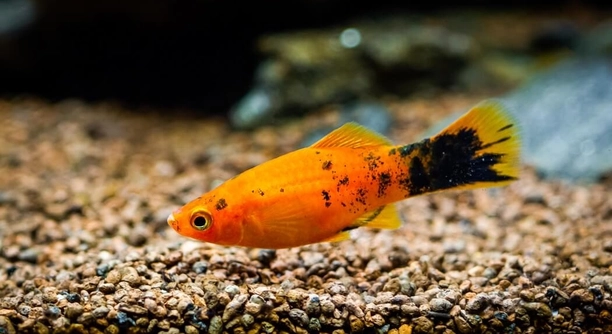
Platies are popular freshwater fish known for their bright colors and peaceful nature. Creating a suitable tank layout is important for their comfort and wellbeing. Many aquarists want to know which setups best suit these lively fish.
Platies tend to prefer tank layouts that include ample swimming space, plenty of hiding spots, and live plants. They thrive in environments that mimic their natural habitat with gentle water flow, stable temperatures, and a balanced mix of open areas and cover.
These layout ideas will help provide a healthy, comfortable home for your platies and enhance their natural behaviors.
Open Swimming Space
Providing open swimming areas is essential for platies. These fish are active swimmers and need room to move freely. A tank cluttered with decorations or overcrowded with plants can stress them. Ideally, leave enough open water where they can swim comfortably without obstacles. This helps reduce aggression and promotes natural behaviors. Besides, open spaces allow for better water circulation, which benefits overall tank health. You can balance this by placing plants and decorations mainly along the sides and back of the tank. Using low-growing plants near the bottom can also maintain openness while adding visual interest. Regularly rearranging or trimming plants can prevent the tank from becoming too crowded over time. Observing your platies will give clues if they feel restricted or stressed. Adjust the layout if you notice signs of discomfort, such as hiding excessively or showing aggression.
A tank with sufficient open swimming space supports platies’ health and reduces stress. This creates a more natural and comfortable environment for them.
Careful planning of your tank layout keeps your platies active and happy while maintaining a clean, visually appealing setup.
Live Plants and Hiding Spots
Platies appreciate live plants and places to hide. These features offer shelter from bright lights and potential tank mates. Live plants also help improve water quality by absorbing nitrates. Choose hardy plants like Java fern, Anubias, or hornwort that thrive in similar water conditions as platies. Arrange plants to create cozy areas where fish can retreat when they feel threatened or want to rest. Hiding spots reduce stress and mimic natural habitats, making your fish feel safer. Decorations such as small caves or smooth rocks add variety to the tank and provide additional refuge. However, avoid sharp or rough materials that could harm the fish. Regular maintenance is necessary to prevent overgrowth and keep hiding spots accessible. Keeping a balance between open space and shelter ensures your platies stay comfortable and healthy in their tank.
Live plants and hiding spots play a key role in creating a safe environment for platies. They offer shelter and contribute to a balanced aquarium ecosystem.
Gentle Water Flow
Platies prefer tanks with gentle water flow. Strong currents can stress them and make swimming difficult. A calm environment helps them feel secure and swim naturally without battling water resistance.
A gentle flow can be created by adjusting filter output or using flow deflectors. Placing plants and decorations strategically helps break strong currents and create calmer areas. This setup mimics their natural habitat, where slow-moving streams are common. Calm water also supports better oxygen exchange and reduces debris buildup. Monitoring flow regularly ensures it remains suitable as the tank matures or equipment changes. Maintaining steady water movement without turbulence contributes to the overall health of platies and the aquarium ecosystem.
Setting up gentle water flow improves fish comfort and tank stability. It encourages natural behavior and lowers stress levels, supporting healthy platies. Keeping this balance requires regular observation and minor adjustments based on fish activity and plant growth.
Stable Temperature and Lighting
Platies thrive best in stable temperatures between 72°F and 78°F. Fluctuations can weaken their immune system and lead to illness. Using a reliable heater and thermometer helps maintain consistent warmth.
Lighting should be moderate and mimic natural day-night cycles. Too much light can stress the fish and promote algae growth. Using a timer ensures regular periods of light and darkness, which benefits both platies and plants. Choose LED lights that provide balanced spectrum without excessive heat. Proper lighting enhances colors and supports plant health. Avoid placing the tank in direct sunlight to prevent overheating. Observing your fish’s behavior under different lighting helps find the best settings. Stable temperature and controlled lighting create a comfortable environment, essential for platies’ wellbeing and vibrancy.
Balanced Tank Mates
Choosing the right tank mates is important for platies’ wellbeing. Avoid aggressive or overly large fish that may bully or stress them. Peaceful community fish like guppies, mollies, and tetras are good companions.
Compatibility reduces stress and promotes natural social behavior. Mixed tanks require monitoring to ensure harmony and avoid overcrowding. Careful selection helps maintain a peaceful environment, encouraging healthy interactions among fish.
Substrate Selection
Fine gravel or sand works best for platies. These substrates allow plants to root well and prevent injury. Avoid sharp or coarse materials that can harm their delicate fins.
Substrate choice affects tank cleanliness and plant growth. Lighter colors also help highlight platies’ bright colors. Regular cleaning is necessary to avoid buildup of waste and maintain water quality.
Feeding Zones
Feeding zones help keep the tank organized and reduce food waste. Platies tend to feed near the surface, so placing food there encourages natural feeding habits.
Feeding in designated spots also makes it easier to observe fish health and appetite. It prevents food from scattering, which can foul the water and create maintenance challenges.
Regular Maintenance
Consistent tank maintenance supports platies’ health. Regular water changes and filter cleaning keep the environment stable and free of toxins.
Maintenance prevents algae buildup and removes uneaten food. A clean tank reduces stress and promotes longevity for your fish. Establish a routine to ensure all aspects of the tank are properly cared for.
FAQ
What tank size is best for platies?
Platies do well in tanks of at least 20 gallons. This size provides enough swimming space and helps maintain stable water conditions. Smaller tanks can quickly become polluted and stress the fish. A larger tank also allows room for plants and decorations, which platies appreciate.
How many platies can I keep in one tank?
A good rule of thumb is one platy per two gallons of water. This prevents overcrowding and reduces competition for resources. Overcrowding can lead to stress, aggression, and poor water quality, which negatively affect fish health.
What water parameters do platies need?
Platies thrive in slightly alkaline water with a pH between 7.0 and 8.2. The temperature should stay between 72°F and 78°F. They prefer moderate hardness, around 10–28 dGH. Regular testing helps maintain these conditions and avoid sudden changes that can stress the fish.
Can platies live with other fish?
Yes, platies are peaceful and generally get along well with other non-aggressive fish. Ideal tank mates include guppies, mollies, tetras, and corydoras catfish. Avoid aggressive or territorial fish that might bully or injure them.
Do platies need live plants in their tank?
Live plants are beneficial for platies but not absolutely required. Plants improve water quality by absorbing nitrates and offer hiding spots that reduce stress. Hardy plants like Java fern, Anubias, and hornwort are good choices that survive well in platy tanks.
How often should I feed platies?
Feed platies small amounts once or twice a day. Overfeeding can pollute the tank and cause health issues. Offer a balanced diet including high-quality flakes or pellets, along with occasional live or frozen foods like brine shrimp or bloodworms.
What signs show that platies are stressed?
Common stress signs include hiding excessively, loss of appetite, faded colors, and erratic swimming. Stress often results from poor water quality, inappropriate tank mates, or unsuitable environment. Addressing these issues quickly helps prevent illness.
How often should I clean the tank?
Perform partial water changes of 20-30% every one to two weeks. Regularly clean the substrate, remove debris, and check the filter. Consistent maintenance keeps the water healthy and the fish comfortable.
Can platies breed in a community tank?
Yes, platies breed easily and may do so in community tanks. They are livebearers, meaning they give birth to free-swimming fry. If you want to raise the fry, it’s best to provide a separate breeding tank or plenty of hiding spots.
What is the lifespan of platies?
Platies typically live between 2 to 3 years with proper care. Good water quality, a balanced diet, and a stress-free environment all contribute to a longer life. Regular observation helps catch health problems early.
Final thoughts are important when considering the best tank layouts for platies. These fish thrive in environments that meet their basic needs for space, shelter, and stable conditions. By paying attention to the amount of open swimming area, the presence of live plants, hiding spots, gentle water flow, and proper tank mates, you create a healthy and comfortable home for your platies. These factors not only improve their wellbeing but also encourage natural behavior, making it more enjoyable to observe and care for them.
Maintaining stable water temperature and lighting is also essential. Platies do best in consistent warmth, between 72°F and 78°F, with moderate lighting that supports plant growth without causing stress. Good filtration and regular tank maintenance ensure clean water, which is key to preventing disease and promoting longevity. Choosing the right substrate and feeding zones helps keep the tank organized and reduces waste buildup. These details, while simple, contribute significantly to the overall success of the aquarium setup. When these elements are balanced, platies can live healthier, more active lives.
In the end, providing the right environment for platies requires attention to their needs and regular care. Tank size, water quality, compatible tank mates, and thoughtful decoration all play a role in creating a stable habitat. Observing your fish and adjusting the setup as needed helps maintain a peaceful and thriving aquarium. With these considerations in place, platies will remain colorful, active, and content in their aquatic home. Taking the time to understand their preferences leads to a more rewarding experience for both the fish and the keeper.

Hello,
If you enjoy the content that we create, please consider saying a "Thank You!" by leaving a tip.
Every little bit helps us continue crafting quality advice that supports the health, happiness, and well-being of pets around the world, for pets of all shapes, sizes, and species.
We really appreciate the kindness and support that you show us!