
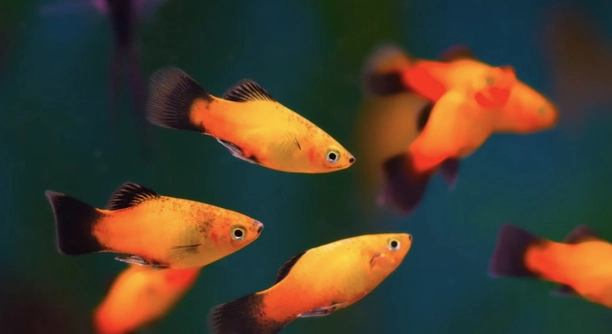
Platies are popular freshwater fish known for their bright colors and peaceful nature. Many aquarium enthusiasts enjoy keeping them as part of their home tanks. Ensuring these fish feel safe is important for their health and well-being.
Creating a safe environment for platies involves managing tank conditions such as water quality, temperature, and hiding places. Providing stable and stress-free surroundings helps reduce aggression and encourages natural behavior in platies.
Understanding how to improve your platies’ comfort can lead to a more vibrant and active aquarium. These simple steps support their overall health and happiness in your care.
Maintain Stable Water Conditions
Platies thrive in stable water conditions that closely mimic their natural habitat. Sudden changes in temperature or water chemistry can stress them and affect their immune system. It is important to regularly test water parameters such as pH, ammonia, nitrite, and nitrate levels. Ideal water temperature for platies ranges between 70 and 78 degrees Fahrenheit. Keeping the water clean with regular partial water changes helps reduce harmful substances and supports a healthy environment. Avoid overcrowding the tank, as this can cause poor water quality and increase stress. Using a reliable filter and monitoring the water conditions frequently will create a safe and stable habitat for platies.
Stable water conditions prevent common health problems and reduce stress in platies. Consistency in the tank environment is key to their well-being.
Many fish owners overlook how sensitive platies are to sudden water changes. Fluctuations in temperature or pH can cause stress, leading to weakened immune systems or illness. By testing water regularly and performing scheduled water changes, you ensure the tank remains a safe place. Additionally, maintaining good filtration and avoiding overcrowding reduces waste buildup. Providing hiding spots with plants or decorations also helps platies feel secure in their space. Together, these actions create an environment where platies can thrive calmly and stay healthy.
Provide Adequate Hiding Places
Hiding places are essential for platies to feel secure. Without them, fish can become stressed and shy away from the open areas of the tank. Providing live plants, rocks, or small caves allows platies to retreat when they feel threatened. This reduces aggression and promotes natural behaviors.
Adding proper shelter improves comfort and reduces stress levels.
Creating a well-structured aquarium with plenty of hiding spots encourages platies to explore and be more active. Natural plants like Java fern or Anubias offer both cover and oxygenation. Smooth rocks or decorations with caves give platies private areas to rest. Hiding places also help reduce territorial disputes by providing separate zones for individual fish. This balance between open swimming areas and sheltered spots helps platies feel safe and lowers stress, which improves their overall health and lifespan.
Avoid Overcrowding the Tank
Overcrowding increases stress and competition for resources among platies. Each fish needs enough space to swim freely and establish its own territory.
A crowded tank leads to poor water quality, as waste accumulates faster than the filter can handle. This can cause spikes in ammonia and nitrite levels, which are harmful to platies. When space is limited, fish may also show more aggressive behavior, which disrupts the peaceful environment they need to feel safe. Proper stocking means knowing the recommended number of platies per gallon, usually one inch of fish per gallon of water. Keeping this balance reduces stress and helps maintain water clarity.
Overcrowding can also affect oxygen levels, as more fish consume oxygen faster. Limited space makes it harder for platies to hide or rest comfortably. Maintaining appropriate tank size ensures healthier, calmer fish. This creates a stable environment where platies can thrive and display natural behaviors.
Provide a Balanced Diet
A balanced diet supports the immune system and overall health of platies. Feeding a variety of foods prevents nutritional deficiencies.
Platies need a mix of high-quality flakes or pellets, along with occasional treats like frozen or live brine shrimp and bloodworms. Vegetables such as blanched spinach or zucchini also provide essential vitamins and fiber. Overfeeding can pollute the tank and stress the fish, so feed small amounts two to three times daily. Observing your platies while feeding helps ensure all get enough food without leftovers. Proper nutrition strengthens their resistance to disease and supports vibrant coloration.
Feeding a varied diet not only keeps platies healthy but encourages natural foraging behaviors. This stimulates their activity and helps maintain a balanced tank ecosystem. Regular feeding schedules and careful portion control contribute to their long-term safety and well-being.
Keep Compatible Tank Mates
Choosing peaceful tank mates prevents stress and aggression. Avoid aggressive or overly active fish that may bully platies.
Compatible species like tetras, guppies, and mollies coexist well with platies. Their similar temperament helps maintain a calm environment, reducing the chances of injury or hiding.
Regular Tank Cleaning
Frequent cleaning removes waste and harmful chemicals that accumulate over time. This keeps the water clear and safe for platies.
Routine maintenance includes partial water changes and cleaning the substrate without disturbing beneficial bacteria. Clean tanks support healthy fish and reduce stress.
Monitor Platy Behavior
Observing platies daily helps detect early signs of illness or stress. Changes in swimming patterns or appetite can indicate problems.
Timely action based on behavior helps maintain a safe environment and prevents worsening health issues.
FAQ
How often should I change the water in my platy tank?
Water changes should be done weekly, replacing about 20-25% of the tank water. This helps maintain water quality by removing waste and toxins that build up over time. Regular water changes prevent harmful chemical spikes and keep the environment stable for platies.
What is the ideal tank size for platies?
A 10-gallon tank is suitable for a small group of platies, allowing enough swimming space and reducing territorial conflicts. Larger tanks are better for bigger groups or mixed species, helping maintain water quality and providing room for hiding spots.
Can platies live with other fish species?
Yes, platies are peaceful and do well with other non-aggressive fish like tetras, guppies, and mollies. Avoid aggressive or fin-nipping species to reduce stress and injury risks for platies.
What should I feed my platies?
Feed high-quality flake or pellet food designed for tropical fish as their main diet. Supplement with occasional live or frozen foods such as brine shrimp and bloodworms. Adding some blanched vegetables like zucchini provides essential nutrients.
How do I know if my platy is stressed?
Signs of stress include hiding more than usual, loss of appetite, erratic swimming, or faded coloration. Stress can result from poor water quality, aggressive tank mates, or lack of hiding spaces.
How important are hiding places for platies?
Hiding places are crucial for reducing stress and aggression. They allow platies to retreat and feel secure, especially when threatened. Live plants, rocks, and decorations with caves serve as excellent shelters.
Why is water temperature important?
Platies need stable temperatures between 70°F and 78°F. Sudden fluctuations can stress them and weaken their immune system, making them vulnerable to disease.
Can overfeeding harm platies?
Yes, overfeeding leads to uneaten food decomposing and polluting the tank. This causes poor water quality and health issues for the fish. Feeding small portions twice or thrice daily is best.
How can I prevent diseases in my platy tank?
Maintain clean water, provide a balanced diet, avoid overcrowding, and quarantine new fish before adding them to the tank. Early detection of symptoms helps prevent the spread of diseases.
How do I introduce new platies to an established tank?
Acclimate new platies slowly by floating their sealed bag in the tank water for 15-30 minutes. Gradually mix tank water into the bag before releasing the fish. This reduces shock from changes in water conditions.
Final Thoughts
Creating a safe environment for platies is essential to their health and happiness. By focusing on stable water conditions, adequate hiding places, and appropriate tank mates, you can reduce their stress and support natural behaviors. Simple actions like regular water testing, careful feeding, and maintaining a clean tank play a major role in keeping your platies comfortable. These small but consistent efforts help prevent common problems and improve the overall quality of life for your fish.
It is important to remember that platies are sensitive to sudden changes in their surroundings. Stability in temperature, water chemistry, and social structure allows them to thrive. Overcrowding and aggressive tank mates can cause stress, which weakens their immune system and increases the risk of disease. Providing a variety of hiding spots gives platies the opportunity to feel secure and avoid conflict. Feeding a balanced diet further supports their health by providing necessary nutrients and encouraging natural foraging.
Taking the time to understand your platies’ needs can make a significant difference in their well-being. Paying attention to their behavior and environment will help you identify potential issues early. This proactive approach ensures your fish remain active, colorful, and healthy for longer. Keeping a platy tank that promotes safety and comfort is rewarding and helps you enjoy these peaceful fish for years to come.

Hello,
If you enjoy the content that we create, please consider saying a "Thank You!" by leaving a tip.
Every little bit helps us continue crafting quality advice that supports the health, happiness, and well-being of pets around the world, for pets of all shapes, sizes, and species.
We really appreciate the kindness and support that you show us!