
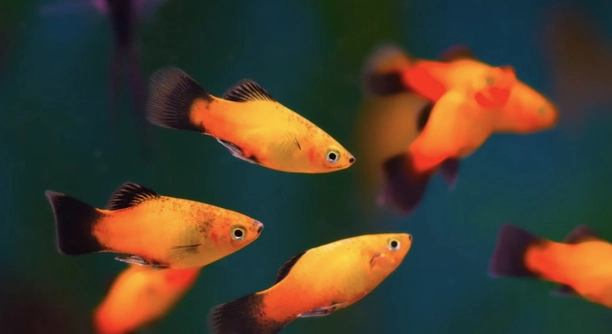
Platies are popular freshwater fish known for their peaceful nature and bright colors. However, they can sometimes show unexpected aggression that puzzles many fishkeepers. Understanding what triggers this behavior is important for maintaining a calm aquarium.
Aggression in platies can be caused by several factors including overcrowding, lack of hiding spaces, poor water quality, competition for food, breeding behavior, dominance struggles, and stress from sudden environmental changes. Each of these can lead to increased hostility among the fish.
Knowing these common causes helps prevent conflicts and creates a healthier environment for your platies. The following details will help you identify and manage these issues effectively.
Overcrowding in the Aquarium
When platies are kept in a tank that is too small or crowded, aggression often increases. Overcrowding limits swimming space and causes stress, which can lead to fights. Fish may compete more aggressively for territory and resources like food and hiding spots. This tension can make the once peaceful platies turn hostile quickly. To avoid this, it’s important to follow recommended stocking levels based on tank size and filter capacity. Providing enough room lets each fish establish its own space, reducing conflicts. Overcrowded tanks also suffer from poorer water quality, which adds to fish stress and can increase aggressive behavior. Regular monitoring and tank maintenance help keep the environment stable, promoting calmness among the platies.
Keeping platies in a properly sized tank ensures they stay calmer and less aggressive overall.
Proper tank size and population control make a significant difference in the behavior of your platies. Giving them enough space means less stress and fewer fights. The tank should allow free swimming and have enough hiding places. When fish feel secure, aggression drops naturally. If you notice increased chasing or nipping, overcrowding might be the cause. Adjusting the number of fish or upgrading the tank size can solve this. Additionally, a good filtration system helps maintain clean water, supporting fish health and reducing stress-related aggression.
Lack of Hiding Places
Platies need spots where they can retreat to feel safe. Without enough hiding places, they may become anxious and act aggressively. Hiding spots help break lines of sight and reduce territorial disputes. If your tank is bare or sparsely decorated, consider adding plants, caves, or decorations. These additions create natural barriers that lessen confrontations. A well-decorated tank encourages peaceful coexistence and reduces stress. When fish feel secure, they focus less on competing and more on normal behaviors like feeding and exploring.
Providing plenty of hiding spaces lowers tension and keeps platies peaceful.
Poor Water Quality
Poor water quality causes stress in platies, which often leads to aggression. High levels of ammonia, nitrites, or nitrates irritate fish and disrupt their normal behavior. Regular water changes and proper filtration are essential to maintain a healthy environment.
Maintaining clean water is critical to keeping platies calm. When waste builds up, fish become stressed and more likely to fight. Testing water parameters frequently helps catch problems early. Using a reliable filter and performing partial water changes weekly will reduce toxins and keep conditions stable. Stress from poor water quality weakens the immune system, making fish more sensitive to changes and prone to aggressive actions.
In addition to chemical balance, temperature and pH levels must stay within ideal ranges for platies. Fluctuations can upset their system and increase irritation. Consistent care promotes healthier fish and reduces aggressive behavior caused by environmental stress.
Competition for Food
When food is scarce or unevenly distributed, platies compete aggressively to eat first. This competition can trigger chasing and nipping. Feeding small amounts several times a day helps reduce this stress.
Ensuring all fish get enough food is important to prevent aggression. Overcrowding or feeding too little can make platies more aggressive at feeding times. Using sinking pellets or spreading food across the tank lets shy or slower fish eat safely. Observing feeding behavior allows you to adjust the amount or type of food as needed.
Feeding a balanced diet supports overall health and behavior. Nutritional deficiencies can increase irritability, so providing quality flakes, pellets, and occasional live or frozen food keeps platies satisfied and less competitive during meals.
Breeding Behavior
During breeding, male platies become more territorial and aggressive toward others. This behavior is natural as they compete for females and establish dominance.
Aggression usually lessens after the breeding period, but it can still cause stress in the tank if not managed properly.
Dominance Struggles
Dominance struggles occur when platies compete to establish a social hierarchy. These conflicts often involve chasing and nipping until one fish asserts control. The dominant fish may bully others, causing stress and injury.
Sudden Environmental Changes
Sudden changes in the tank environment, such as lighting, temperature, or water parameters, can stress platies. This stress may trigger aggressive reactions that were not present before.
FAQ
What causes platies to suddenly become aggressive?
Platies may suddenly become aggressive due to changes in their environment, such as overcrowding, poor water quality, or sudden shifts in temperature and pH. Stress from these factors disrupts their usual peaceful behavior. Breeding season and dominance struggles can also cause temporary aggression.
How can I reduce aggression in my platies?
Reducing aggression involves maintaining proper tank size, ensuring good water quality, and providing plenty of hiding spaces. Feeding small, frequent meals and avoiding overcrowding helps. Keeping stable environmental conditions and monitoring fish behavior regularly can prevent conflicts.
Is aggression normal during breeding?
Yes, male platies often show more aggression during breeding as they compete for females. This behavior is natural but should be watched closely to prevent injury to other fish. Providing enough space and hiding spots helps reduce stress during this time.
Can aggression harm my platies?
Aggression can lead to injuries like torn fins, stress, and weakened immune systems. Prolonged fighting may result in infections or death. It’s important to address causes of aggression early to protect your fish’s health.
Does tank size affect platy aggression?
A small or overcrowded tank increases stress and competition, leading to more aggressive behavior. A larger tank with enough space allows platies to establish territories and reduces fighting. Proper stocking levels are crucial for a peaceful environment.
How often should I clean my platy tank?
Regular partial water changes, about 20-30% weekly, help maintain water quality. Cleaning the tank and filter prevents toxin buildup, which reduces stress and aggression in platies. Avoid over-cleaning to preserve beneficial bacteria.
What role do hiding places play in platy aggression?
Hiding places break lines of sight and give fish safe spots to escape conflicts. Without enough hiding spots, platies feel exposed and may act aggressively to defend space. Adding plants, rocks, or decorations creates a more peaceful tank.
Can different fish species cause platies to be aggressive?
Yes, some species can provoke stress or territorial behavior in platies. Aggressive or larger tank mates may bully platies, increasing their aggression. Choosing compatible species and monitoring interactions helps keep peace.
How does feeding affect platy aggression?
Uneven or insufficient feeding leads to competition and fighting. Feeding small amounts multiple times daily and spreading food helps all fish eat without conflict. A balanced diet also supports calm behavior.
What should I do if aggression persists?
If aggression continues despite adjustments, consider separating aggressive fish or increasing tank size. Observe if certain individuals are more aggressive and remove them if necessary. Consulting an experienced aquarist or vet can provide tailored advice.
Final Thoughts
Platies are generally peaceful fish, but understanding the reasons behind their aggressive behavior is important for maintaining a calm aquarium. Many factors can cause aggression, such as overcrowding, poor water quality, competition for food, and environmental stress. Paying attention to these elements can help reduce conflicts and create a healthier space for your fish. Regular tank maintenance and monitoring can prevent small issues from turning into serious problems.
Providing enough space and hiding spots is one of the easiest ways to lower aggression. When platies have places to retreat and feel safe, they are less likely to fight. Feeding them properly and ensuring stable water conditions also plays a big role in keeping them calm. It is normal for males to show aggression during breeding, but this should be managed to avoid stress or injury in the tank. Understanding these natural behaviors allows for better care.
If aggression persists despite your efforts, it may be necessary to adjust the number of fish or consider separating aggressive individuals. Keeping a peaceful community tank requires patience and attention to the fish’s needs. With proper care, most platies will live happily without causing problems. Taking time to learn about their behavior helps create a balanced and enjoyable aquarium environment.

Hello,
If you enjoy the content that we create, please consider saying a "Thank You!" by leaving a tip.
Every little bit helps us continue crafting quality advice that supports the health, happiness, and well-being of pets around the world, for pets of all shapes, sizes, and species.
We really appreciate the kindness and support that you show us!