
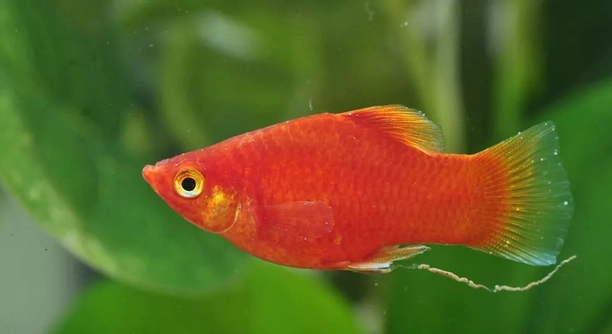
Platies are small, colorful fish often kept in home aquariums. Many fish owners enjoy watching their behavior and wonder if these fish interact with objects in their tanks. Understanding platies’ behavior can make fishkeeping more enjoyable.
Platies do show curiosity toward objects placed in their environment. They may approach, investigate, and even interact with new items, indicating a level of awareness and interest in their surroundings. This behavior suggests cognitive engagement beyond basic survival instincts.
Learning how platies respond to objects can improve tank setups and enrich their environment. This knowledge benefits both casual fishkeepers and those interested in fish behavior.
How Platies Explore Their Environment
Platies are naturally curious fish that like to explore their tanks. When new objects are introduced, they often swim close to inspect them. They may circle around plants, decorations, or even small toys placed inside the aquarium. This behavior helps them get familiar with changes in their surroundings and can reduce stress. Watching a platy approach a new item slowly, then touch it gently with its nose, shows clear signs of curiosity. Over time, they may use objects as hiding spots or resting places. This interaction helps keep them active and mentally stimulated. In a tank without changes, platies can become bored or less active. Adding new items occasionally encourages them to move more and stay alert. Their natural curiosity also means they can recognize objects that are safe versus those that might cause harm. This helps them adapt to different environments.
Exploring new objects is an important part of a platy’s behavior and well-being.
Understanding this behavior allows better tank management and improves fish health.
Signs That Show Platies Are Interested in Objects
Platies show their interest by approaching objects carefully. They often swim near the item, sometimes nibbling or pushing it gently. Watching these signs helps owners know the fish feel comfortable.
Curiosity in platies can be seen when they repeatedly return to an object or change their swimming patterns. They may also become more active around new decorations, showing excitement or investigation. Sometimes, platies use objects for shelter or play, which reflects their awareness. Owners can encourage this behavior by placing safe and interesting items in the tank. Observing these responses also helps detect if the fish are healthy and stress-free. If platies ignore objects, it might suggest a lack of stimulation or health issues. Using varied shapes and textures can keep platies engaged longer. This kind of environmental enrichment is beneficial for their overall well-being and can even reduce aggression between tank mates.
Adding new objects carefully supports natural behaviors and promotes a better living space for platies.
Encouraging Curiosity in Platies
Adding new objects to the tank often sparks platies’ curiosity. They tend to explore unfamiliar shapes and colors actively. This stimulates their natural instincts and helps keep them engaged.
Objects like plants, smooth stones, and decorations provide variety. Moving items occasionally keeps the environment fresh and interesting. It’s important to avoid sharp or toxic materials that could harm the fish. Even simple changes, such as rearranging the tank layout, can encourage exploration. Platies may initially be cautious but usually adjust quickly. Their interest can last longer when objects offer places to hide or swim through. Providing a mix of open spaces and sheltered spots helps them feel secure while staying curious. Observing their reactions helps identify which items they prefer. This approach supports their mental and physical health, reducing boredom and stress. Ensuring the environment remains stimulating is key to their happiness.
Curiosity encourages natural behavior and improves platies’ quality of life.
Objects That Platies Prefer to Explore
Platies often show more interest in objects that resemble natural features, like plants and smooth rocks. These offer familiar textures and hiding spots, making them feel safe. Bright or reflective objects can also attract attention but may cause stress if too flashy. Soft plants and decorations with gentle curves are generally preferred over sharp or rough surfaces. Items that create small tunnels or crevices invite exploration and play. When choosing objects, consider their size relative to the fish—too big or too small might reduce interest. Changing the tank’s décor slowly allows platies to get used to new additions without overwhelming them. Not all platies react the same way; some may prefer simpler environments while others are more adventurous. Watching how they interact helps tailor the tank setup to their preferences and keeps them engaged longer.
Selecting the right objects can greatly enhance platies’ curiosity and well-being.
How Lighting Affects Platies’ Curiosity
Proper lighting can influence how much platies explore their tanks. Bright light encourages activity, while dim light may make them less active. A balanced lighting setup helps them feel comfortable and safe.
Changing light intensity gradually prevents sudden stress. Natural day-night cycles support normal behavior.
The Role of Tank Size in Platies’ Exploration
Larger tanks provide more space for platies to swim and explore. With more room, they are likely to show greater curiosity toward objects placed in the environment. Smaller tanks may limit their movement and reduce interest in new items. Adequate swimming space allows platies to feel less confined and more secure. This freedom encourages natural behavior and promotes mental stimulation. When selecting a tank, it’s important to consider both size and complexity. Adding varied objects and plants in a larger tank enhances exploration opportunities. This helps maintain platies’ overall well-being by preventing boredom and stress.
Avoid Overcrowding in the Tank
Too many fish can limit platies’ ability to explore. Overcrowding reduces space and increases stress.
FAQ
Can platies recognize different objects?
Platies can recognize and respond to different objects in their tank. They use sight and sometimes touch to explore new items. While they may not understand objects like humans do, they can remember which items are safe or interesting. This helps them decide where to swim or hide, improving their sense of security.
How often should I add new objects to keep platies curious?
Adding new objects every few weeks is a good practice. Changing the environment too often can stress platies, but occasional additions or rearrangements keep their interest. Observing how they react helps decide the best timing for introducing new decorations or plants.
Are certain materials safer for platies to explore?
Yes, smooth, non-toxic materials like plastic plants, polished stones, and aquarium-safe decorations are best. Avoid sharp, rough, or painted items that could harm their fins or release harmful substances. Natural items like clean driftwood or live plants are also good choices.
Do platies interact differently with live plants versus artificial plants?
Platies often prefer live plants because they offer natural textures and hiding places. Live plants can also improve water quality, which benefits the fish. However, many platies will explore artificial plants as well if they provide shelter and interesting shapes. Both types can stimulate curiosity if placed thoughtfully.
Can platies get bored if their environment never changes?
Yes, a stagnant environment can lead to boredom, causing platies to become less active and possibly stressed. Adding new objects or rearranging the tank helps keep their minds active. Stimulating their curiosity promotes natural behavior and better health.
How can I tell if my platies are stressed by new objects?
Signs of stress include hiding constantly, reduced swimming, or loss of appetite. If platies avoid new items or seem frightened, remove or reposition the objects. Introduce changes gradually and monitor their behavior to ensure comfort.
Do platies show curiosity toward moving objects?
Platies may be attracted to moving objects like small floating toys or bubbles. These can encourage playful behavior and exploration. However, too much movement or sudden changes might startle them, so it’s best to observe how individual fish react.
Is it normal for some platies to ignore new objects?
Yes, individual platies have different personalities. Some are naturally more cautious or shy and may avoid new items. Others may be bold and actively explore. Both behaviors are normal and should be respected.
Can adding objects reduce aggression in a community tank?
Yes, providing hiding spots and visual barriers with objects can reduce stress and aggression among platies and other fish. This allows fish to escape conflicts and feel safer, promoting a more peaceful environment.
What size objects are best for platies to explore?
Objects should be proportionate to the fish size—too large may feel overwhelming, and too small might be ignored or cause injury. Small caves, plants, or decorations that platies can swim around or hide in are ideal. This encourages natural curiosity without risk.
Platies are active and curious fish that benefit from a stimulating environment. Their interest in objects shows they are more than just simple swimmers. Providing them with new decorations, plants, or other safe items in the tank can encourage natural behaviors. This helps keep them healthy and mentally engaged. Watching how platies explore and interact with objects adds enjoyment for fishkeepers and helps build a better understanding of these small fish.
It is important to choose the right objects for platies. Smooth, non-toxic materials and natural elements like live plants work well. Avoid anything sharp or harmful that could injure them. Changing the tank layout occasionally keeps the environment fresh and exciting without causing stress. Proper lighting, enough swimming space, and avoiding overcrowding also play important roles in encouraging exploration. Each platy may react differently, so paying attention to their behavior helps create a suitable habitat.
Overall, supporting a platy’s curiosity through thoughtful tank design improves their quality of life. It prevents boredom and promotes natural activity, which contributes to their health. Small changes in their environment can make a big difference in how they behave. For anyone keeping platies, understanding their need to explore objects is key to providing a happier and more balanced home.

Hello,
If you enjoy the content that we create, please consider saying a "Thank You!" by leaving a tip.
Every little bit helps us continue crafting quality advice that supports the health, happiness, and well-being of pets around the world, for pets of all shapes, sizes, and species.
We really appreciate the kindness and support that you show us!