
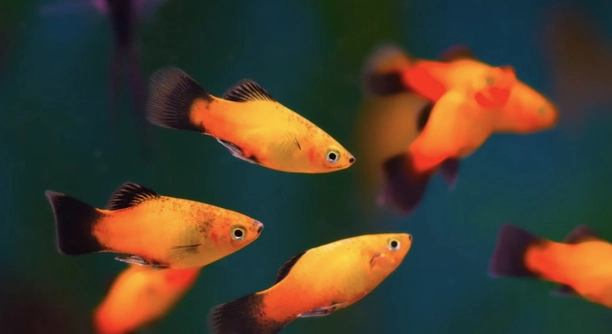
Is your platy swimming back and forth along the glass in its tank? Many platy owners notice this pacing behavior and wonder what it means. This restless movement can be common but often signals something important about your fish’s environment or health.
Platies pace the glass mainly due to stress, boredom, or inadequate tank conditions. Environmental factors like water quality, tank size, and lack of hiding spots contribute to this behavior. Addressing these issues helps reduce pacing and improve your fish’s well-being.
Understanding why your platy behaves this way will help you create a better home for it. Small changes can make a big difference in your fish’s comfort and happiness.
Common Causes of Pacing in Platies
Platies often pace the glass when their tank conditions are not quite right. Poor water quality is a frequent cause. If ammonia or nitrate levels rise, the fish can feel stressed and try to escape by swimming constantly. Another reason is tank size. Platies need enough space to swim comfortably; a small tank can make them feel confined. Lack of enrichment also plays a role. Without plants, decorations, or hiding spots, platies can become bored and restless. Sometimes, pacing is a reaction to seeing their own reflection on the glass, which can confuse or stress them. Temperature fluctuations or sudden changes in the environment can also unsettle these fish. Monitoring the tank regularly and making sure it mimics their natural habitat can reduce this pacing behavior.
Stress, lack of space, and boredom are the main reasons your platy might pace the glass.
Proper tank setup, stable water conditions, and adding hiding places will help your platy feel secure and calm.
How to Improve Your Platy’s Environment
Start by testing your tank water regularly to keep ammonia, nitrites, and nitrates at safe levels. Use a water conditioner if needed, and change about 25% of the water weekly to keep it clean. Make sure your tank is at least 10 gallons to give your platy enough room. Adding live plants and decorations provides hiding spots and makes the space more interesting. Platies like gentle water flow and stable temperatures around 72–78°F. Avoid sudden changes in lighting or noise, which can stress them. If your fish continues to pace, try rearranging the tank decorations to break up their view of reflections on the glass. Also, consider keeping them in small groups, as platies are social fish and feel more secure with company. These steps help create a calm, healthy environment for your platy.
Recognizing Stress in Platies
Stress in platies shows through behaviors like pacing, loss of appetite, and hiding more than usual. Changes in color or rapid breathing can also indicate stress. Catching these signs early helps prevent bigger health issues.
Stress often results from poor water quality, overcrowding, or sudden changes in the tank environment. Platies are sensitive to fluctuations in temperature and water chemistry, so keeping conditions stable is key. Stress weakens their immune system, making them prone to disease.
To reduce stress, maintain a clean tank with proper filtration and consistent water parameters. Avoid loud noises and sudden movements around the tank. Providing enough space and companionship also helps. Monitoring your platy’s behavior regularly ensures you can act quickly if problems arise.
The Role of Tank Mates
Choosing the right tank mates can improve your platy’s comfort. Aggressive or overly active fish can cause stress and trigger pacing. Platies do well with peaceful, similar-sized fish.
Avoid housing platies with large, territorial fish that may bully them. Small schooling fish like tetras or peaceful bottom dwellers like Corydoras make good companions. Proper tank mates help reduce loneliness and boredom, which often cause pacing. Introducing new fish slowly and observing their interactions helps maintain harmony in the tank. Always research compatibility before adding any new species to keep your platy safe and happy.
Reflection and Pacing
Platies may pace because they see their own reflection in the glass and mistake it for another fish. This can cause stress or territorial behavior.
To reduce reflections, adjust the lighting or add background decorations to break up the glass surface. This helps your platy feel less threatened.
Feeding and Pacing
Overfeeding or irregular feeding schedules can affect your platy’s behavior. Hungry fish may swim anxiously, while overeating can cause discomfort and lethargy.
Feeding small, consistent amounts twice a day supports healthy digestion and keeps your platy calm and satisfied. Avoid leftover food to maintain water quality.
Enrichment Ideas
Adding plants, rocks, or tunnels gives your platy places to explore and hide. This reduces boredom and pacing by providing mental stimulation.
When to Consult a Vet
If pacing continues despite environmental improvements, a vet check might be needed to rule out illness or parasites.
FAQ
Why does my platy pace the glass more at night?
Platies are generally more active during the day and rest at night. However, pacing at night can happen if there is too much light or noise near the tank. It can also be a sign of stress or discomfort. Make sure the tank is in a quiet place with a natural day-night light cycle to help your platy rest well.
Can pacing cause harm to my platy?
Pacing itself is not harmful, but it usually indicates an underlying problem like stress or poor tank conditions. Constant stress weakens the fish’s immune system and can lead to illness. It’s important to find the cause of pacing and fix it to keep your platy healthy.
Is my platy lonely if it keeps pacing?
Platies are social fish and prefer to live in groups of at least three. A single platy may feel lonely and pace out of boredom or stress. Adding compatible tank mates can reduce loneliness and encourage natural behavior.
How can I tell if my platy is stressed?
Signs of stress include pacing, hiding, loss of appetite, faded colors, and rapid breathing. Stressed fish may also scratch against objects or swim erratically. Observing these behaviors early allows you to adjust tank conditions and reduce stress.
What water parameters are best for platies?
Platies thrive in water temperatures between 72–78°F (22–26°C), with a pH of 6.8 to 8.0. Ammonia and nitrite levels should be zero, and nitrates kept below 20 ppm. Regular testing and water changes maintain these safe conditions.
Can reflections make my platy aggressive?
Yes, seeing their reflection can confuse platies, making them think another fish is invading their territory. This may cause pacing or aggressive displays. Reducing reflections by changing tank lighting or adding backgrounds can help calm them.
How often should I clean my platy’s tank?
Perform partial water changes of about 25% weekly. Clean the substrate and decorations monthly or as needed to prevent waste buildup. Avoid cleaning the entire tank at once to preserve beneficial bacteria important for water quality.
Do platies need hiding spots?
Yes, hiding spots like plants, caves, or decorations give platies places to feel safe and reduce stress. These spaces also break the line of sight, which can decrease pacing caused by reflections or tank boredom.
What should I feed my platy to keep it healthy?
Feed a balanced diet of high-quality flakes or pellets made for tropical fish. Supplement with occasional treats like brine shrimp, bloodworms, or blanched vegetables. Feed small amounts twice daily to avoid overfeeding and maintain water quality.
When is pacing a sign of illness?
If pacing is accompanied by other symptoms such as clamped fins, white spots, lethargy, or difficulty swimming, it may indicate illness. In that case, consult a vet or aquatic specialist for diagnosis and treatment advice.
Can changing tank decorations stop pacing?
Rearranging decorations can help by breaking up your platy’s view of reflections and providing new areas to explore. This can reduce boredom and make the tank feel more natural, lowering pacing behavior.
Is tank size the most important factor to stop pacing?
Tank size is very important. A minimum of 10 gallons is recommended for platies to swim freely. Small tanks can cause stress and boredom, which lead to pacing. Providing enough space is a key step in preventing this behavior.
How do I introduce new tank mates to reduce pacing?
Introduce new fish slowly by quarantining them first, then adding them to the tank during calm times. Monitor interactions closely to ensure no bullying or aggression occurs. Proper introductions help maintain peace and reduce pacing caused by stress.
Can water temperature affect pacing?
Yes, unstable or incorrect water temperature stresses platies. Keep the water between 72 and 78°F with a reliable heater and thermometer. Sudden drops or spikes in temperature may cause pacing and other stress-related behaviors.
What role does lighting play in pacing?
Too much or too little light can affect platies’ behavior. Bright light may cause reflections and stress, while low light can disrupt their natural rhythms. Using a light timer to simulate day and night helps keep your platy calm and reduces pacing.
Final Thoughts
Seeing your platy pace the glass can be worrying, but it is often a sign that something in its environment needs attention. Most of the time, this behavior points to stress caused by factors like water quality, tank size, or a lack of stimulation. Fixing these issues usually helps your platy feel more comfortable and reduces pacing. Keeping the tank clean and stable is one of the best ways to support your fish’s health. Regular water tests and partial water changes help keep harmful chemicals low and water conditions safe.
Another important aspect to consider is the tank setup. Platies are active fish that need space to swim freely. A small tank can make them feel cramped and lead to restless behavior. Adding plants, decorations, and hiding spots gives them places to explore and rest. This not only breaks up their environment visually but also makes it more natural and calming. Including other peaceful fish as tank mates can also improve their mood, as platies are social creatures and enjoy company.
Finally, pay close attention to your platy’s behavior and overall health. Pacing can sometimes signal illness or discomfort, so watch for other signs like color changes, loss of appetite, or unusual swimming patterns. Making small changes to their care routine can have a big impact. Keeping water parameters steady, feeding a balanced diet, and providing a calm environment will help your platy live a happy, healthy life. With proper care and attention, pacing will often become less frequent, allowing you to enjoy watching your lively and beautiful fish.

Hello,
If you enjoy the content that we create, please consider saying a "Thank You!" by leaving a tip.
Every little bit helps us continue crafting quality advice that supports the health, happiness, and well-being of pets around the world, for pets of all shapes, sizes, and species.
We really appreciate the kindness and support that you show us!