
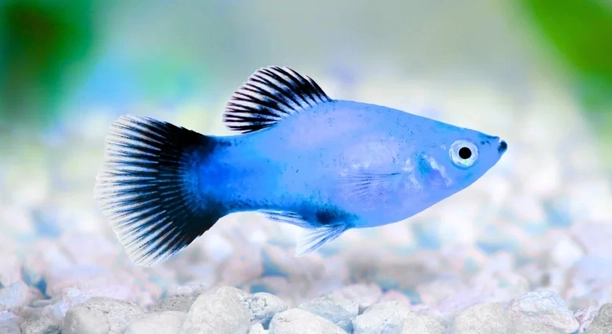
Keeping a solo platy happy and healthy means more than just feeding it well and cleaning its tank regularly. Mental stimulation plays a key role in the well-being of these lively fish. Without enough activity, they can become bored or stressed.
Providing mental stimulation for a solo platy involves enriching its environment through varied decorations, interactive feeding methods, and regular changes to its habitat. These strategies encourage natural behaviors and support cognitive health in captivity.
Exploring these simple yet effective ways can help ensure your platy stays engaged and thriving in its solo home.
Add Plants and Decorations for Exploration
Adding live or artificial plants and decorations creates hiding spots and new places for your solo platy to explore. These items break up the tank space and make the environment more interesting. Fish naturally enjoy moving around objects and finding places to rest or hide. Variety in tank decorations can also encourage natural behaviors like foraging and territorial swimming. Plants, especially live ones, improve water quality by absorbing nitrates and offering extra oxygen. Different shapes and textures keep your platy curious, which helps reduce boredom and stress. Make sure the decorations are safe, without sharp edges, and easy to clean to keep the tank healthy.
Changing the layout occasionally can keep things fresh for your fish. Rearranging plants or adding new pieces gives your platy new places to explore and keeps its environment from becoming dull.
Keeping your tank lively with varied plants and decorations provides mental stimulation and promotes physical activity. It’s a simple way to make your solo platy’s home more enjoyable and enriching every day.
Interactive Feeding Techniques
Using interactive feeding techniques makes mealtime more engaging for your solo platy. Instead of dropping food in the same spot, try scattering it around the tank or using a feeding ring. This encourages natural hunting and foraging behaviors, which keep the fish active and mentally sharp. Floating pellets, sinking wafers, or live foods like brine shrimp add variety to the diet and make feeding time more exciting. Avoid overfeeding by giving small amounts that the fish can eat within a few minutes. Feeding in different places or at varied times can create anticipation and prevent boredom during meals.
Creating opportunities for your platy to search for food mimics their natural environment and promotes mental stimulation. This approach also helps maintain a healthy appetite and weight, improving overall well-being. By making feeding interactive, you support your fish’s physical and cognitive health in an easy, enjoyable way.
Provide a Variety of Toys and Enrichment Items
Toys like floating balls or mirrors can stimulate your platy’s curiosity. Changing or rotating these items keeps the fish interested.
These items encourage your platy to explore and interact more with its environment. Mirrors placed outside the tank can create the illusion of another fish, which often triggers natural social behavior. Floating toys encourage swimming and chasing, which promotes exercise. It’s important to introduce toys gradually and observe how your fish reacts. Not all fish respond the same way, so remove anything that causes stress. Rotating toys every few weeks prevents boredom and keeps your platy engaged. Using simple, safe items designed for aquarium use adds variety and mental stimulation to your fish’s daily life.
Remember to clean toys regularly to avoid bacteria buildup. Keeping your platy’s environment lively with enrichment items is an easy way to support its mental and physical health over time.
Change the Tank Environment Regularly
Changing the tank’s layout or decorations every few weeks prevents your platy from becoming bored. Rearranging plants, rocks, or ornaments offers new places to explore.
Regular changes in the tank encourage your platy to investigate its surroundings, which is mentally stimulating. Keeping the environment dynamic helps maintain natural curiosity and reduces stress caused by monotony. Moving items around or adding new decorations also refreshes the tank’s look, making it more enjoyable for both fish and owner. Be careful when changing the environment not to disturb beneficial bacteria or stress the fish too much. Make changes gradually and watch for any signs of discomfort. This simple habit can make a big difference in keeping your solo platy active and interested.
Use a Gentle Flow of Water
A gentle current in the tank adds movement and encourages your platy to swim actively. It creates a more natural environment without causing stress.
This water flow mimics natural habitats, stimulating your fish to explore different areas. It also helps keep the water clean and oxygenated, which benefits your platy’s health. Adjust the flow to a mild setting that does not overwhelm the fish but provides enough movement to keep it engaged and healthy.
Introduce Live Plants
Live plants add color and texture while providing hiding spots. They improve water quality by absorbing toxins.
Create Different Lighting Patterns
Changing lighting intensity or timing simulates natural day and night cycles. This encourages normal activity and rest periods.
FAQ
How often should I change the tank decorations for my solo platy?
Changing decorations every three to four weeks works well for keeping your platy interested. This schedule gives your fish time to explore and settle in before introducing new items. Frequent changes might stress the fish, while rarely changing the tank can lead to boredom. It’s important to monitor how your platy reacts to changes and adjust the timing accordingly.
Can I use mirrors for mental stimulation?
Yes, mirrors can be useful but should be used carefully. A mirror placed outside the tank can simulate the presence of another fish, encouraging your platy to show natural social behavior like curiosity and chasing. However, prolonged exposure can cause stress, so it’s best to limit mirror time to a few minutes a day.
What types of food are best for interactive feeding?
Variety is key. Use floating pellets, sinking wafers, and occasional live or frozen foods like brine shrimp or daphnia. Scattering food or using a feeding ring encourages natural foraging. Avoid overfeeding, as uneaten food pollutes the tank and harms water quality.
Are live plants necessary for mental stimulation?
Live plants aren’t strictly necessary, but they offer many benefits. They create hiding spots, improve water quality, and add natural textures that keep your platy engaged. Some fish prefer live plants over artificial ones, but either type can help prevent boredom.
How much water flow is appropriate for a solo platy?
A gentle, steady flow is ideal. Too strong a current can tire or stress your fish, while no flow may result in stagnant water. Using a filter with adjustable flow helps maintain the right balance, promoting swimming activity and oxygen circulation without overwhelming your platy.
Can toys cause stress or harm to my fish?
Toys designed for aquarium use are generally safe but should be introduced gradually. Observe your platy’s reaction and remove any item that causes hiding, erratic swimming, or refusal to eat. Regular cleaning of toys is important to avoid bacteria buildup.
Is it normal for a solo platy to seem bored sometimes?
Yes, fish can get bored without enough stimulation. Signs include sluggish swimming, hiding, or reduced appetite. Adding enrichment, changing the environment, and interactive feeding can reduce boredom and improve your platy’s overall happiness and health.
How do I know if my platy is stressed by changes?
Watch for rapid gill movement, frantic swimming, or hiding more than usual. These behaviors suggest stress. Make changes slowly, and give your fish time to adjust. Reducing the frequency of environmental shifts can help your platy feel more secure.
Should I introduce enrichment items all at once or gradually?
Introduce new items one at a time. This lets you see how your fish reacts and reduces stress. Gradual introduction also prevents overwhelming your platy and helps maintain a calm tank environment.
Can changing lighting patterns affect my platy’s behavior?
Yes, adjusting light intensity and timing mimics natural day and night cycles. This encourages healthy activity during the day and restful periods at night. Sudden or extreme changes in lighting can cause stress, so it’s best to make gradual adjustments.
Keeping a solo platy mentally stimulated is important for its health and happiness. Just like other pets, fish need activities that keep their minds active. Without enough stimulation, a platy may become bored, stressed, or less active. This can lead to problems like poor appetite or illness. By adding plants, decorations, toys, and changing the tank layout regularly, you help your platy stay curious and engaged. Even small changes can make a big difference in how your fish feels and behaves.
Interactive feeding is another way to support mental stimulation. Instead of simply dropping food in one spot, scattering it or using special feeding tools encourages your platy to search and explore. This mimics natural behaviors, which is good for their brain and body. A gentle water flow and varied lighting also help create a more natural environment. These simple adjustments keep the tank lively and make daily life more interesting for your fish. Maintaining good water quality and a balanced diet is also essential to support your platy’s overall well-being.
Finally, every platy is different, so it’s important to watch how your fish responds to changes. Some may enjoy mirrors or toys, while others might find them stressful. Introduce new items slowly and observe your fish’s behavior. If your platy seems stressed, remove the item or adjust the environment. Keeping a solo platy mentally stimulated takes a little effort, but it’s rewarding to see your fish active, curious, and healthy. Taking these steps helps ensure your platy enjoys its home and lives a happy life.

Hello,
If you enjoy the content that we create, please consider saying a "Thank You!" by leaving a tip.
Every little bit helps us continue crafting quality advice that supports the health, happiness, and well-being of pets around the world, for pets of all shapes, sizes, and species.
We really appreciate the kindness and support that you show us!