
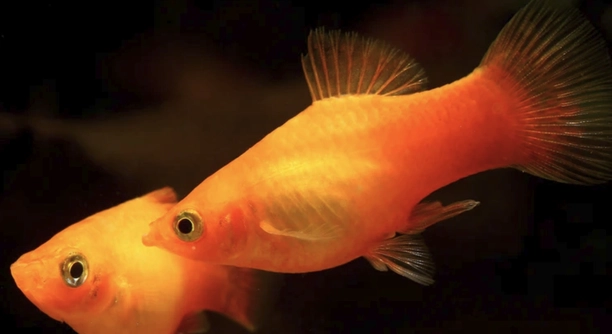
Platies are popular aquarium fish known for their bright colors and peaceful nature. Many hobbyists enjoy decorating tanks with plants and ornaments to create a lively environment. However, sometimes concerns arise about fish getting trapped behind these decorations.
Platies can occasionally get stuck behind aquarium decor if spaces are too narrow or sharp edges are present. Properly arranging decorations and ensuring gaps are wide enough can prevent this problem and keep the fish safe in their habitat.
Knowing how to set up your tank safely will help protect your platies and maintain a healthy environment for them to thrive.
Why Platies Might Get Stuck Behind Decor
Aquariums often have plants, rocks, and other decorations to make them look natural and appealing. Platies are small fish, but even small fish can find themselves in tricky spots. Sometimes, the spaces between decorations are too tight or uneven, which can trap a platy. Sharp edges or unstable items can also create hazards. When platies explore their tank, they like to swim through small gaps, but if those gaps are too narrow or the decor shifts, they might get stuck. It’s important to arrange decorations carefully and avoid cluttering the tank. Regularly checking the tank setup can help spot potential problem areas before any fish get trapped. Proper spacing and smooth surfaces make it easier for platies to swim freely and stay safe. Watching your fish closely after changing the decor can also help catch any issues early.
Platies getting stuck can cause stress or injury, so tank safety is key to their health and comfort.
A well-organized tank not only looks better but also supports the natural behavior of platies. They enjoy swimming through plants and hiding behind decorations, but the space needs to be just right. Avoid stacking decorations too tightly and choose smooth ornaments to reduce the chance of fish getting trapped or hurt. If you notice your platy spending too much time behind one spot or showing signs of distress, it might be worth rearranging the tank. Also, consider the size of your platies when selecting decorations—what works for one tank may not work for another. Keeping the environment safe and spacious ensures your fish are happy and can swim without obstacles.
How to Prevent Platies from Getting Stuck
Proper decoration placement is the easiest way to prevent platies from getting stuck.
Regular maintenance and thoughtful tank setup help keep platies safe and comfortable. Avoid narrow gaps, sharp edges, and unstable items that can trap fish. Using live or soft plants can provide natural hiding places without tight spaces. When arranging decor, leave enough room for the fish to swim easily. It’s helpful to observe your fish’s behavior after changes to the tank and make adjustments if needed. Clean decorations regularly to prevent buildup that can reduce space. By creating a well-planned environment, you reduce risks of injury and stress for your platies. This simple care step improves their overall well-being and lets you enjoy a lively, healthy aquarium.
Common Tank Decor That Can Trap Platies
Sharp-edged rocks and tightly packed artificial plants are common hazards. Small caves with narrow openings can also cause problems if they don’t fit the fish properly.
Certain decorations may look attractive but create tight spaces that platies can’t easily navigate. For example, some ceramic caves or resin ornaments have openings too small for fish to pass through safely. Artificial plants with stiff plastic leaves might have sharp points or tangled stems that catch fins or scales. Rocks stacked unevenly can shift and create unstable gaps where a platy could get stuck or injured. Even natural wood pieces with jagged edges can be risky if they aren’t smooth or stable. It’s important to test new decorations in the tank by observing how your fish move around them. Avoid any items that cause hesitation or signs of stress.
Platies like hiding spots, but those spots must be safe and roomy enough to prevent accidents.
Signs Your Platy Might Be Stuck
If a platy stays in one spot behind decor longer than usual, it could be stuck. Look for unusual swimming patterns or distress.
A platy stuck behind decoration may struggle to free itself, showing rapid fin movements or frantic swimming. You might notice the fish hiding more often or not eating as much. Physical signs include torn fins, scratches, or damaged scales near the trapped area. If a fish is stuck for a while, it can become stressed, leading to illness or weakened immune response. Checking the tank regularly, especially after adding new decorations, helps spot these signs early. If you see any of these behaviors, carefully inspect the decor and gently free the fish if possible.
Prompt action prevents injuries and ensures your platies stay healthy and comfortable.
How to Safely Rearrange Tank Decor
Move decorations slowly to avoid stressing your platies. Make sure all items are stable and won’t shift easily.
Check each piece for sharp edges or tight spaces before placing it back. Create wide, clear swimming paths and leave enough room between decorations.
Materials to Avoid in Platy Tanks
Avoid rough or sharp materials like broken shells, jagged rocks, or cheap plastics. These can injure your fish or trap them unexpectedly.
Choose smooth, natural decorations or soft plastic plants made for aquariums to keep your tank safe and comfortable for platies.
Regular Tank Checks
Regularly inspect the tank setup to spot any new hazards or unstable decorations. Small changes can create risks over time.
Keeping an eye on the environment helps prevent accidents and keeps your platies healthy.
When to Seek Help
If a platy appears injured or stressed, contact a veterinarian or aquatic specialist promptly. Early treatment can save your fish.
FAQ
Can platies really get stuck behind decorations?
Yes, platies can get stuck if the spaces between decorations are too narrow or if there are sharp edges. Their small size helps them explore tight spots, but if gaps are too tight or unstable, they may become trapped. Proper tank setup reduces this risk significantly.
What are the signs that a platy is stuck?
A stuck platy may stay in one spot longer than usual or try to swim frantically in a confined space. You might notice torn fins, scratches, or unusual behavior like hiding or reduced appetite. Observing your fish daily helps catch these signs early.
How can I prevent platies from getting stuck?
Arrange decorations with wide enough gaps for fish to swim through easily. Avoid sharp or rough edges and unstable ornaments. Use smooth, natural-looking decor and soft plants to create a safe environment. Regularly check the tank, especially after changes.
Is it safe to use artificial plants in a platy tank?
Artificial plants can be safe if they are made specifically for aquariums and have smooth edges. Avoid stiff plastic plants with sharp points that might injure your fish. Soft, flexible plants help prevent getting fins or scales caught.
What should I do if I find a platy stuck behind decor?
Gently remove the decoration or carefully free the fish without causing stress or injury. Make sure the fish is unharmed before returning it to the tank. Rearrange the tank afterward to prevent the same spot from being a problem.
Can platies get stuck in live plants?
Live plants generally don’t trap platies, as their leaves and stems are soft and flexible. However, dense or tangled plants could create tight spots. Regular pruning and spacing of plants help maintain good swimming areas.
Are certain types of decorations better for platy tanks?
Smooth rocks, natural wood, and soft plants are usually best. Avoid jagged or broken items. Ceramic caves with large openings are good hiding spots but test them to ensure the fish can enter and exit easily.
How often should I check my tank for hazards?
It’s best to inspect the tank at least once a week. After adding new decorations or rearranging, observe your fish closely for any changes in behavior. Early detection prevents injuries and keeps the tank safe.
Can a stuck platy get injured?
Yes, being stuck can cause fin tears, scale damage, or stress, which might lead to illness. The longer the fish is trapped, the higher the risk of injury or infection. Acting quickly to free the fish is important.
Does tank size affect the risk of platies getting stuck?
Smaller tanks with lots of decorations increase the chance of tight spaces. Larger tanks allow for more room between items, reducing risk. Regardless of tank size, careful decoration placement is essential.
Should I remove decorations if a platy gets stuck repeatedly?
If a certain decoration causes repeated problems, it’s best to remove or replace it. Finding safer alternatives keeps your fish safe and happy. Sometimes rearranging rather than removing can also help.
Can stress from getting stuck affect platy health long-term?
Yes, stress weakens the immune system and can cause illness or behavioral changes. Preventing situations where fish get stuck helps maintain their overall health and well-being.
Are there specific tank setups recommended for platies?
A balanced setup with open swimming spaces, smooth decorations, and moderate plant coverage is ideal. This allows platies to explore and hide safely without risk of getting trapped.
What if I can’t safely free a stuck platy?
Seek advice from an aquatic veterinarian or experienced fish keeper. They can provide guidance or assistance to ensure the fish’s safety and health.
Can platies get stuck behind filter tubes or other equipment?
Yes, narrow spaces around equipment can trap fish. Position tubes and heaters carefully to avoid tight gaps. Covering or shielding equipment edges helps protect your fish.
How do I know if a decoration is too sharp or dangerous?
Run your hand gently over the surface before placing it in the tank. If you feel sharp edges or rough spots, smooth them with sandpaper or choose a different item.
Is it better to have more decorations or fewer in a platy tank?
Moderation is best. Too many decorations increase risk of tight spots and stress. Fewer, well-placed items create a comfortable, safe environment that looks natural and provides hiding spots.
Do baby platies get stuck more often than adults?
Younger platies are smaller and might explore tighter spaces, increasing risk. However, their smaller size also helps them escape more easily. Careful tank setup is important for all ages.
Can water flow push platies into tight spots?
Strong currents might push fish into narrow areas accidentally. Adjust flow rates to gentle levels to prevent this. Platies prefer calm to moderate water movement.
Are there tools to help rescue stuck fish?
Using soft nets or aquarium-safe tools can help gently free a trapped fish. Always move slowly to avoid causing additional stress or injury.
What are common injuries from getting stuck?
Fin tears, scale damage, bruises, and stress-related illness are common. Monitoring your fish after rescue is important to catch any signs of infection early.
How long can a platy survive stuck behind decor?
Survival depends on how tight the space is and if the fish can breathe properly. Stress and injury risks increase with time, so quick action is critical.
Can I train my platies to avoid tight spaces?
Fish don’t train like pets but will avoid areas that cause discomfort over time. A safe environment reduces the chance they will get stuck again.
Is it normal for platies to hide a lot?
Platies do enjoy hiding, but excessive hiding may indicate stress or illness. Check for tank issues, including risky decor, if your fish hides more than usual.
How can I create safe hiding spots for platies?
Use large, smooth caves or dense but soft plants. Leave enough space for easy entry and exit. Avoid tight, sharp, or unstable spots.
Should I quarantine a platy after rescue?
If the fish shows injury or signs of illness, quarantine helps prevent spreading disease. Otherwise, gentle observation in the main tank is usually fine.
Are there signs that a decoration is unsafe before adding it?
Yes, check for rough surfaces, narrow openings, or unstable structure. Test the item outside the tank for sharp edges and size appropriateness.
How do I clean decorations safely?
Use warm water and a soft brush, avoiding soaps or chemicals. Regular cleaning prevents buildup that can reduce safe swimming space.
Can tank lighting affect platy behavior near decorations?
Bright lights might make fish avoid open areas and seek hiding spots more often. Adjust lighting to a comfortable level to balance activity and rest.
What’s the best way to monitor platy health related to tank decor?
Daily observation of swimming behavior, appetite, and physical condition helps catch problems early. Regular tank checks complement this well.
Can platies get stuck during breeding?
During breeding, platies may explore more and squeeze into tight places. Extra care with tank setup during this time helps prevent trapping.
Is it harmful if a platy escapes from one tight spot only to get stuck in another?
Repeated trapping can cause ongoing stress and injury. Removing hazards and providing safe spaces is important to break this cycle.
Platies are active and curious fish that enjoy exploring their aquarium environment. While decorations help create a natural and attractive tank, they can sometimes cause problems if not arranged carefully. Spaces that are too narrow or sharp edges on ornaments may trap or injure platies. It’s important to be aware of these risks when setting up and maintaining your tank. By paying close attention to how you arrange decorations and choosing safe materials, you can create a comfortable space where your platies can swim freely and safely.
Regular observation of your fish is key to preventing issues related to tank decor. Watch for signs of distress or unusual behavior, such as a platy staying in one spot behind decorations too long or showing signs of injury. These could indicate that your fish is stuck or hurt. When you spot these warning signs, acting quickly to free the fish and adjust the tank setup is essential. Also, routinely inspecting the tank for potential hazards like sharp edges or unstable decorations helps reduce risks over time. This simple care routine supports your platies’ health and wellbeing.
Creating a safe aquarium environment means balancing aesthetics with function. Decorations should offer hiding spots and stimulation without restricting movement or causing harm. Using smooth rocks, natural wood, and soft plants provides safe areas for platies to explore. Avoid overcrowding the tank to give fish enough room to swim freely. Keeping the tank clean and regularly checking decor stability are additional steps to protect your fish. With proper care and attention, your platies can enjoy a safe, stress-free habitat that encourages their natural behavior and keeps them healthy for years to come.

Hello,
If you enjoy the content that we create, please consider saying a "Thank You!" by leaving a tip.
Every little bit helps us continue crafting quality advice that supports the health, happiness, and well-being of pets around the world, for pets of all shapes, sizes, and species.
We really appreciate the kindness and support that you show us!