
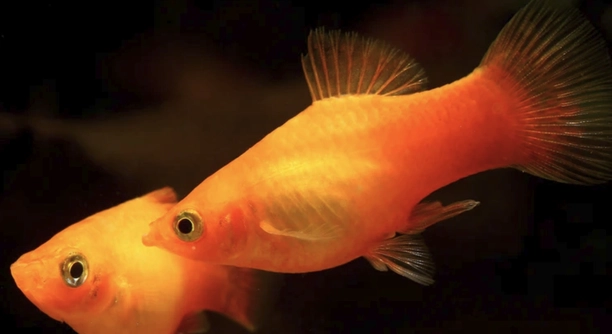
Do your platies seem to spend most of their time hovering near the same rock, almost like it’s their favorite hangout spot? Their behavior might look odd, but there’s often a simple reason behind it.
Platies tend to hover around the same rock due to a mix of comfort, territorial behavior, and environmental cues. Rocks provide shelter, reduce stress, and act as markers for social or mating activities within their tank environment.
Understanding the reasons behind this behavior can help you create a more comfortable and healthy space for your fish to thrive.
Why Platies Choose a Specific Rock
Platies are peaceful and social fish, but they still enjoy having a spot in the tank where they feel safe and in control. A single rock can offer shade, shelter, and a place to rest without being disturbed. It also helps break up the tank visually, which reduces stress and provides a space where platies can retreat when they need a break from activity or other fish. In tanks with a few hiding places, one well-positioned rock can quickly become a go-to zone. Over time, fish may return to familiar spots out of habit or because they feel secure. Lighting, temperature, and current flow can also affect which area they prefer. If the rock is near the filter or a heater, that may add to its appeal.
This behavior often starts early and continues as long as the tank conditions stay the same. It’s simply a matter of comfort.
As long as your platies are active, eating well, and showing no signs of illness, this behavior isn’t something to worry about.
What This Means for Your Tank Setup
Try adding more rocks or plants to spread out activity. This can help reduce competition and keep all your platies relaxed.
If you’ve noticed that your platies always gather around the same rock, you might want to look at the rest of the tank. Are there enough hiding spots? Is the lighting too harsh in other areas? A tank with several good hiding places helps reduce stress and supports natural behavior. Platies don’t need much—just a few stones, a couple of plants, and consistent water quality. Adding a second or third rock might shift their attention and allow each fish more space to relax. Watch how they react to small changes. Sometimes, even a slight shift in decoration can lead to a calmer and more active group. When fish feel secure, they tend to move around more and show brighter colors.
Other Factors That May Influence This Behavior
Water flow can affect where your platies choose to hang out. They may hover near a rock that breaks the current or offers a gentler area to rest.
Tank mates also play a role. If more aggressive fish are present, your platies may use one rock as a safe zone. This behavior can also show up when they’re unsure about new tank additions or changes in lighting. Temperature shifts or sudden noise near the tank may push them toward one consistent spot. If your tank is in a busy room or near a window, external activity could influence their behavior. Ensuring the tank is placed in a calm, quiet area might help them feel less stressed. Keep an eye on their food intake and social behavior to make sure the hovering isn’t linked to illness or bullying.
Lighting intensity, filter vibrations, and water temperature can also change how your platies behave. Dim lighting makes them feel safer, while strong lights may drive them toward shaded areas like behind or under a rock. Vibrations from filters or nearby equipment can also cause stress, and fish will stick to spots where the movement is less intense. Stable temperatures help prevent unnecessary behavior changes.
When to Observe More Closely
If your platies are hiding more than usual or appear less active, it’s worth checking for signs of illness or poor water conditions.
Check their fins and gills for damage or discoloration. If they’re hovering low or gasping near the surface, you may need to test your water for ammonia or low oxygen. Frequent hovering without movement could also suggest internal problems like parasites or swim bladder trouble. Isolating the fish briefly can help you observe eating patterns and physical symptoms more clearly. Watch how they interact with others—bullying and overcrowding may also cause behavioral changes. It’s helpful to log changes in lighting, feeding, or water quality during this time. Try not to panic over one odd behavior, but stay alert to patterns. Most causes are fixable with simple adjustments.
How to Gently Adjust Their Behavior
Add more rocks, plants, or decorations to spread out their attention. This gives them more spots to choose from and helps reduce stress. Make changes slowly to avoid overwhelming them.
Keep lighting soft and avoid sudden shifts in brightness. Gradual light changes can make them feel more secure throughout the day.
What to Avoid When Making Changes
Avoid moving everything at once. Sudden rearrangements can confuse your platies and make them even more attached to one familiar spot. If you need to clean or shift decor, do it in small steps over a few days. Don’t overcrowd the tank with too many objects either—this can limit swimming space and cause tension. Stick to natural-looking decorations that give cover but still allow your fish to swim freely. Try not to add aggressive tank mates, as they’ll push the platies into hiding more often. Watching their reactions after each change helps you know what works best.
When Behavior Is No Concern
If your platies seem active, healthy, and are eating normally, their preference for one rock is nothing to worry about.
FAQ
Why do my platies prefer one rock over others?
Platies often choose one rock because it offers a combination of shelter, comfort, and a familiar resting place. That particular rock might have better lighting, less current, or be near food sources. It can also act as a safe zone if there are more active or aggressive fish nearby. Platies like routine, so once they find a spot that feels secure, they tend to stick to it.
Is it a problem if my platies always hover in the same spot?
Usually, it’s not a problem as long as your platies are healthy and active otherwise. They use these spots to feel safe and reduce stress. If they seem lethargic, lose appetite, or show signs of illness, then their behavior might be a sign of stress or poor water quality.
How can I encourage my platies to explore other parts of the tank?
Adding more hiding spots like plants or rocks can help distribute their attention. Try to make the environment more interesting by varying the layout slowly over time. Changing lighting gradually or adding gentle water flow in other areas might also encourage them to move around more.
Could tank conditions cause my platies to stick to one spot?
Yes, poor water quality, uneven temperature, or strong currents can push platies toward a calmer, safer area. Make sure the water is clean, properly heated, and flows gently. Regular water tests and tank maintenance are important to keep them comfortable and healthy.
Can other fish affect where platies hang out?
Definitely. More aggressive or territorial tank mates can cause platies to hide or stay near protective structures like rocks. If you notice bullying or chasing, rearranging the tank or separating aggressive fish can reduce stress for your platies.
Is hovering around a rock related to breeding behavior?
Sometimes. Male platies may stay near certain spots to attract females or guard territory. Rocks and plants offer good places for females to lay eggs and for males to show off. Watching their interactions can help you tell if this behavior is linked to breeding.
What signs show that the hovering behavior is due to illness?
If your platies stay still for long periods, gasp at the surface, or have torn fins and discoloration, their behavior might be due to sickness. Poor appetite and hiding more than usual are also warning signs. In these cases, water tests and possible treatment are necessary.
Does lighting affect where platies spend time?
Yes, lighting makes a big difference. Bright or harsh light may push platies to shaded areas like behind rocks. Softer or dimmer lighting helps them feel safer and encourages natural swimming patterns. Gradually adjusting the light cycle can improve their comfort.
How often should I rearrange the tank to keep platies interested?
Platies prefer stability, so frequent or sudden changes can stress them out. Small changes every few weeks are enough to keep their environment interesting without causing confusion or anxiety.
Is it normal for platies to rest on or near rocks?
Yes, platies rest near or on rocks to feel secure and reduce energy use. Rocks give them a place to hide from light or other fish, making resting easier. It’s a natural and healthy behavior when balanced with swimming and feeding activity.
Final Thoughts
Watching your platies hover around the same rock might seem odd at first, but it is quite common behavior. Fish use certain spots in their tank to feel safe and comfortable. Rocks provide shelter, reduce stress, and act as landmarks in their environment. It’s natural for platies to pick a favorite place where they feel secure. As long as they are active, eating well, and showing normal behavior, this preference is nothing to worry about. It’s simply a way for them to cope with their surroundings and find a spot that suits their needs.
It’s important to create a balanced tank environment that offers variety and safety. Adding more rocks, plants, or decorations can help spread out your platies’ activity and reduce competition for space. Lighting and water conditions also play a big role in where they choose to spend time. Soft lighting and gentle water flow make the tank more comfortable. Keeping the water clean and maintaining stable temperatures supports their health and helps them feel secure. If your platies suddenly change behavior or seem less active, it’s a good idea to check water quality and watch for signs of illness or stress.
Overall, understanding your platies’ behavior helps you provide a better home for them. Their habit of hovering near one rock is a way to stay safe and calm. Paying attention to tank setup, water conditions, and their interactions with other fish can make a big difference. With a little care and observation, you can keep your platies happy and healthy in their environment. This behavior is part of what makes watching them so interesting, as you get to see how they adapt and respond to their little world.

Hello,
If you enjoy the content that we create, please consider saying a "Thank You!" by leaving a tip.
Every little bit helps us continue crafting quality advice that supports the health, happiness, and well-being of pets around the world, for pets of all shapes, sizes, and species.
We really appreciate the kindness and support that you show us!