
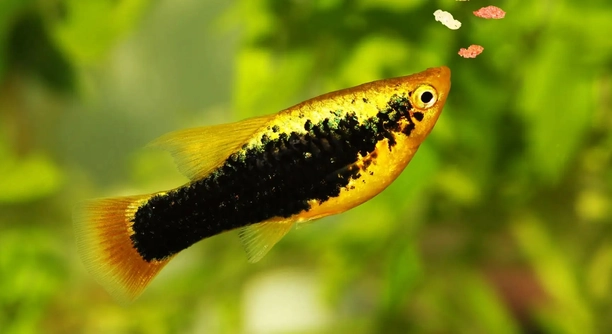
Platies are popular freshwater fish known for their peaceful nature and vibrant colors. Many aquarium enthusiasts wonder how well platies get along with other species in a shared tank environment. Understanding their social behavior is important for a harmonious aquarium.
Platies can form bonds with certain other fish species that share similar temperaments and environmental needs. They tend to coexist well with non-aggressive species, showing social interactions like schooling and mutual tolerance, which helps reduce stress and promote a stable aquarium community.
Learning about platies’ compatibility with other fish can improve your tank’s balance and help you create a peaceful aquatic environment. This article explores key factors affecting their social bonding with different species.
Platies’ Social Nature and Behavior
Platies are naturally social fish that enjoy living in groups. They are peaceful and rarely show aggression, which makes them good candidates for community tanks. In their natural habitat, platies swim in schools, which helps them feel safe and secure. When kept with other fish, platies often display friendly behavior like swimming together or sharing hiding spots. However, this depends on the species they live with. Aggressive or overly active fish can stress platies, leading to health problems or hiding. Tank size and environment also influence their behavior. A spacious tank with plants and decorations offers places to explore and rest, reducing stress. Keeping platies in groups of at least three can encourage natural social interactions. When they feel comfortable, platies often display bright colors and active swimming, signs of good health and contentment.
A well-planned environment helps platies thrive by supporting their social tendencies and reducing stress from incompatible tank mates.
Platies’ calm and social nature allows them to coexist peacefully with many species. Their behavior is shaped by their surroundings and companions, making it important to choose compatible fish. By providing space, shelter, and grouping platies properly, their natural social instincts can be supported, improving their well-being in a community tank.
Choosing Compatible Tank Mates
Selecting fish that share similar temperament and water requirements is key to successful tank harmony.
Fish that are peaceful and of similar size to platies usually make good companions. Avoid aggressive or very large species, which may intimidate or harm platies. Common compatible species include guppies, mollies, tetras, and some small catfish. These fish have gentle behavior and thrive in similar water conditions. Proper tank size also matters. Overcrowding can increase stress and aggression among fish, even if they are generally peaceful. Regular water changes and maintaining stable water parameters contribute to a healthy environment for all inhabitants. Observing fish behavior after introducing new tank mates helps detect any early signs of stress or conflict. Timely adjustments ensure long-term community stability.
Choosing compatible species involves understanding temperament, size, and habitat needs. Proper planning and monitoring promote peaceful coexistence, supporting the health and happiness of platies and their tank mates.
Signs of Bonding Between Platies and Other Fish
Platies show bonding through peaceful swimming, sharing spaces, and minimal chasing. They may follow each other and rest nearby, indicating comfort.
Social interactions like synchronized swimming or gentle nudging are positive signs. Platies feel safer and less stressed when surrounded by compatible fish. Watching these behaviors helps gauge if your fish are getting along. Aggression or hiding may suggest poor compatibility or stress in the tank. Proper bonding improves overall tank health by reducing territorial disputes and promoting calmness.
Bonded platies often brighten in color and are more active. They respond to other fish with calm movements rather than avoidance. These behaviors reflect a stable environment where platies feel secure, showing successful social integration within a mixed-species tank.
Creating a Balanced Aquarium Environment
Balanced water conditions support peaceful coexistence. Regular monitoring of temperature, pH, and cleanliness prevents stress that can disrupt bonding.
A well-maintained aquarium with proper filtration and regular water changes reduces toxins and keeps water clear. Plants and hiding spots create safe areas for platies and tank mates, helping reduce aggression. Maintaining consistent light cycles and avoiding sudden changes also help fish stay calm. A balanced diet tailored for all species ensures proper nutrition and vitality, which supports social behavior.
By maintaining stable conditions and providing environmental enrichment, the tank becomes a comfortable home for platies and their companions. This balance encourages natural interactions and long-term health for all fish in the community.
Introducing New Fish to Your Platy Tank
Introducing new fish slowly helps platies adjust without stress. Quarantine new arrivals to prevent disease spread.
Observe new fish closely for signs of aggression or illness. Gradual introduction promotes better acceptance and bonding over time.
Feeding Habits and Social Interaction
Feeding time encourages social interaction among platies and tank mates. Platies eat flakes, pellets, and live food, often sharing meals peacefully. Feeding them together can strengthen bonds but requires attention to prevent food competition.
Providing a balanced diet helps maintain health and reduces stress-related behavior, promoting a peaceful community.
Monitoring Tank Dynamics
Keep an eye on fish behavior daily. Early detection of conflict prevents serious problems.
Adjust tank conditions or fish combinations if signs of stress or aggression appear to maintain harmony.
FAQ
Can platies live peacefully with all other fish species?
Platies are peaceful but cannot live peacefully with every species. They do best with other non-aggressive fish that share similar water and tank needs. Large, aggressive, or very territorial fish may stress or harm platies. Choosing compatible species helps maintain a calm environment for all.
How many platies should be kept together?
Keeping at least three platies together encourages their natural social behavior. Small groups reduce stress and promote active swimming and interaction. A larger group also helps spread any attention from other tank mates, creating a more balanced community.
What are signs of stress in platies?
Signs of stress include hiding often, loss of color, erratic swimming, or reduced appetite. Stress can be caused by aggressive tank mates, poor water conditions, or lack of hiding spaces. Observing these signs early allows you to improve their environment before serious health issues arise.
How do I introduce new fish to a tank with platies?
Introduce new fish slowly and with care. Quarantine new arrivals for about two weeks to avoid introducing diseases. When adding them to the main tank, rearrange decorations first to reduce territorial behavior. Monitor closely during the first few days for any aggression or stress.
Can platies bond with fish of different species?
Yes, platies can bond with other peaceful fish species that have similar temperaments. Bonding shows through shared swimming patterns, resting nearby, and calm interactions. Compatibility is essential for this bonding to happen naturally without stress.
What water conditions are best for platies?
Platies thrive in water temperatures between 70-78°F (21-26°C) and a pH range of 7.0-8.2. Stable water conditions are crucial. Frequent testing and regular water changes help keep the water clean and safe, supporting healthy behavior and bonding.
What should I feed platies to keep them healthy and social?
A varied diet of flakes, pellets, and occasional live or frozen foods keeps platies healthy. Feeding small amounts multiple times a day helps prevent competition and ensures all fish get enough food. Well-fed fish are less likely to show aggressive or stressed behavior.
How important is tank size for platies and their tank mates?
Tank size plays a big role in reducing stress and aggression. A minimum of 10 gallons is recommended for a small group of platies. Larger tanks provide more space to swim and hide, making it easier for different species to coexist peacefully.
Can platies breed with other fish species?
Platies generally do not breed with other species, but they breed readily among themselves. If breeding occurs, it’s best to separate young fry to prevent them from being eaten by other fish. Proper care helps maintain healthy populations.
What plants or decorations work best for platy tanks?
Live plants like java moss, hornwort, and anubias offer hiding spots and help maintain water quality. Decorations that create caves or dense areas allow platies to retreat when feeling stressed. Providing a varied environment supports natural behavior and social bonding.
Platies are peaceful fish that adapt well to community tanks when paired with compatible species. Their social nature means they do best living with other calm, non-aggressive fish. Providing a proper environment with enough space, clean water, and hiding spots helps platies feel secure. When these conditions are met, platies can show signs of bonding, such as swimming together or resting close to other fish. This peaceful coexistence benefits the overall health of the tank by reducing stress and encouraging natural behaviors.
Choosing the right tank mates for platies is important to maintain harmony in the aquarium. Fish that share similar water needs and gentle temperaments tend to get along well with platies. Introducing new fish slowly and monitoring their behavior can prevent conflicts before they start. Feeding routines and environmental enrichment, like plants and decorations, also play a role in keeping all fish comfortable. Regular maintenance of water quality is essential to prevent stress, which can disrupt social bonds and cause health problems.
Understanding platies’ social habits and their tank requirements allows for a well-balanced aquarium where different species can thrive together. While platies can bond with other peaceful fish, it is important to watch for signs of stress or aggression. Adjusting tank conditions or fish combinations when needed will help maintain a calm and stable environment. By paying attention to these factors, it is possible to enjoy a colorful, active, and peaceful community tank with platies and their companions.

Hello,
If you enjoy the content that we create, please consider saying a "Thank You!" by leaving a tip.
Every little bit helps us continue crafting quality advice that supports the health, happiness, and well-being of pets around the world, for pets of all shapes, sizes, and species.
We really appreciate the kindness and support that you show us!