
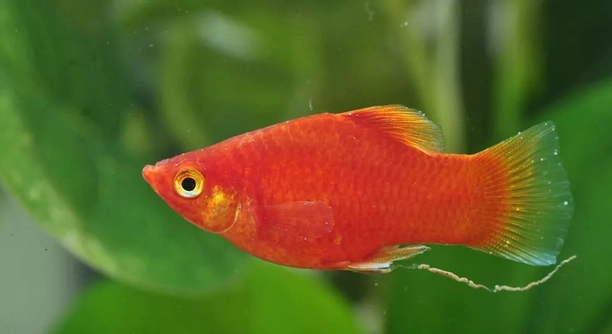
Platies are popular freshwater fish known for their peaceful nature and bright colors. Many fishkeepers enjoy watching them swim gracefully in their tanks. However, platies sometimes suddenly freeze when the lights turn on, which can be surprising.
Platies freeze when lights turn on due to a sudden change in their environment that triggers a natural stress response. This reaction helps them assess potential threats and adjust to new conditions, enhancing their survival in the wild and in captivity.
Understanding this behavior helps fish owners create a comfortable environment for their platies. It also sheds light on how light and stress affect fish in home aquariums.
Why Platies Freeze When Lights Are Suddenly Switched On
Platies have a strong instinct to respond to sudden changes in their environment. When the lights in their tank turn on abruptly, it can startle them. This reaction is similar to how many animals freeze when they sense danger nearby. The sudden brightness disrupts their sense of security. In the wild, quick changes in light could mean a predator is nearby, so freezing helps them avoid drawing attention. In home aquariums, this behavior is harmless but can be concerning to owners who do not understand it. Gradually adjusting lighting and giving platies time to acclimate helps reduce their stress and freezing episodes. Over time, they become more comfortable with changes and may freeze less often.
Freezing is a protective behavior, not a sign of illness or injury. It shows how platies naturally react to environmental cues.
Adjusting light intensity slowly and avoiding sudden changes can make your platies feel safer and more relaxed in their habitat.
How to Help Your Platies Feel More Comfortable
Slowly increasing the light in the aquarium allows platies to adjust without feeling threatened. This simple change improves their overall well-being and reduces stress. Consistent lighting schedules can help fish develop routines and feel secure in their environment. Avoid turning lights on or off abruptly, especially if the tank is near a window or other light sources. Providing plenty of plants and hiding spots also gives platies places to retreat if they feel uneasy. Maintaining water quality and temperature within ideal ranges supports their natural behavior. Being aware of their response to light helps create a peaceful tank where platies thrive. These steps ensure a calmer, healthier environment that supports their natural instincts without unnecessary stress.
Light Sensitivity in Platies
Platies are sensitive to sudden light changes because their natural habitat has gradual shifts in brightness. Their eyes and nervous system react strongly to quick flashes of light, which can cause temporary freezing.
This light sensitivity helps platies avoid predators in the wild by making them freeze when they detect sudden brightness. In home aquariums, this instinct still remains, even though there is no real danger. Platies need time to adjust to artificial lighting. When lights turn on too quickly, it causes a stress reaction that results in freezing behavior. Providing a dimmer or a gradual light timer can help reduce this response by mimicking more natural light conditions.
Light sensitivity varies between individual platies, with some reacting more strongly than others. Knowing this can help fish owners better support their pets’ comfort and reduce stress responses in their tanks.
Creating a Comfortable Lighting Environment
Using a timer for aquarium lights helps establish a predictable daily routine for platies. This consistency allows their bodies to adjust and reduces the likelihood of sudden freezing episodes.
Gradual changes in lighting mimic natural dawn and dusk, which calm platies and reduce stress. Avoid turning aquarium lights on or off abruptly. Consider placing the tank away from direct sunlight or other bright light sources that might cause sudden light flashes. Providing plants and decorations offers shaded areas where platies can retreat if they feel overwhelmed. This setup helps balance their need for light with their natural preference for sheltered spaces, encouraging normal behavior. Creating a stable environment improves platies’ health and makes their responses to light changes less dramatic and easier to manage.
Common Misunderstandings About Platy Freezing
Many believe freezing means illness, but it is usually a natural response to sudden stimuli. It is important to observe other behaviors to rule out health problems.
Freezing can also be confused with hiding or resting. Recognizing the difference helps provide better care and reduces unnecessary worry.
How Tank Setup Affects Platy Behavior
Tank layout influences how platies react to light changes. Open tanks with few hiding spots make platies more vulnerable to stress. Adding plants and decorations creates safe zones that help them feel secure. When platies have places to retreat, they freeze less often and recover quickly from startling events.
Monitoring Platy Health
Regularly check your platies for signs of illness beyond freezing. Healthy platies swim actively and eat well, showing no other unusual behavior.
FAQ
Why do platies freeze only when the lights turn on?
Platies freeze when lights turn on because sudden changes in brightness startle them. Their natural instincts make them freeze to avoid drawing attention from predators. This behavior is a stress response triggered by the abrupt environmental shift, even though your tank is a safe space.
Is it harmful for platies to freeze when lights come on?
Freezing itself is not harmful if it happens occasionally. It is a natural reaction to sudden light changes and helps them stay alert. However, frequent or prolonged freezing might indicate stress or poor tank conditions that need attention.
How can I reduce my platies’ freezing behavior?
Using a light timer to gradually increase brightness is effective. Adding plants and hiding spots gives platies places to feel secure. Avoid turning lights on or off suddenly. These steps help create a calm environment that reduces stress responses.
Can freezing mean my platy is sick?
Freezing alone usually does not mean illness. Watch for other signs like loss of appetite, erratic swimming, or discoloration. If freezing comes with these symptoms, consult a fish health expert to rule out disease.
Do all platies freeze when lights turn on?
Not all platies freeze, but many do due to their natural instincts. Individual fish react differently based on personality, tank environment, and past experiences. Some get used to lighting changes over time and freeze less often.
Should I keep the aquarium lights on all day to prevent freezing?
Keeping lights on all day is not recommended because fish need a natural day-night cycle. Proper lighting schedules with gradual changes are better. This respects their natural rhythms and helps reduce stress.
How long do platies usually freeze after lights come on?
Typically, freezing lasts only a few seconds to a minute. After that, platies usually resume normal swimming and behavior. Longer freezing periods may indicate stress or discomfort.
Are certain types of lights better for platies?
LED lights with adjustable brightness or dimming features are ideal. They allow gradual light changes that mimic natural conditions. Harsh, bright lights can increase stress and cause more frequent freezing.
Can tank placement affect platy freezing behavior?
Yes, placing tanks near windows or where sunlight hits directly can cause sudden light changes. This may startle platies. A stable location with controlled lighting helps maintain a calm environment.
Does water temperature influence freezing behavior?
Water temperature impacts overall fish health but is less connected to freezing caused by light changes. Keeping water at proper temperatures reduces stress and supports normal behavior.
Is it normal for platies to freeze when lights turn off?
Some platies may freeze when lights go off suddenly, though it’s less common. Sudden darkness can also trigger a stress response, but gradual dimming minimizes this.
How do hiding spots help reduce freezing?
Plants and decorations offer safe places for platies to retreat. Feeling sheltered lowers their stress levels and reduces freezing. Hiding spots mimic natural habitats and promote comfort.
Can I train my platies to not freeze?
While you cannot train platies like pets, regular exposure to gentle light changes can help them get used to the environment. This reduces their startle response over time.
What should I do if freezing seems excessive?
Review your tank setup, lighting schedule, and water quality. Make gradual changes and add hiding places. If freezing continues or is paired with other symptoms, seek advice from an aquarium specialist.
Does tank size affect platy behavior?
A spacious tank with enough room to swim and explore helps reduce stress. Overcrowding or a small tank can increase anxiety and freezing behavior.
Are platies more sensitive to light than other fish?
Platies have moderate sensitivity compared to some species. Their response depends on their natural environment and individual traits. Providing stable lighting benefits all freshwater fish, including platies.
Platies are gentle and colorful fish that many people enjoy keeping in home aquariums. Their sudden freezing when lights turn on can seem puzzling at first, but it is a natural reaction tied to their instincts. Understanding why they behave this way helps fish owners provide better care. Freezing is a response to sudden changes in light, which startles the fish and makes them pause to assess their surroundings. This behavior is not harmful in small doses but shows how sensitive platies are to their environment. Knowing this allows owners to adjust their aquarium setup to keep platies calm and comfortable.
Creating a stable and secure environment is key to reducing freezing behavior. Using gradual lighting changes, such as timers or dimmable lights, helps platies adjust without stress. Providing plenty of plants and hiding spots gives them places to retreat when they feel overwhelmed. These simple steps make a big difference in how platies respond to light and other stimuli. Maintaining proper water quality and temperature also supports their well-being. When platies feel safe and their needs are met, their freezing episodes usually become less frequent and less intense. This leads to a healthier and happier aquarium overall.
Paying attention to platy behavior and their reactions to light changes offers valuable insight into their needs. Freezing is a natural survival instinct that should not be mistaken for illness unless accompanied by other symptoms. Being patient and making thoughtful adjustments helps platies adapt better to life in captivity. This understanding enhances the experience of keeping platies and improves their quality of life. Taking these steps ensures your fish enjoy a peaceful environment where they can thrive and display their full range of natural behaviors.

Hello,
If you enjoy the content that we create, please consider saying a "Thank You!" by leaving a tip.
Every little bit helps us continue crafting quality advice that supports the health, happiness, and well-being of pets around the world, for pets of all shapes, sizes, and species.
We really appreciate the kindness and support that you show us!