
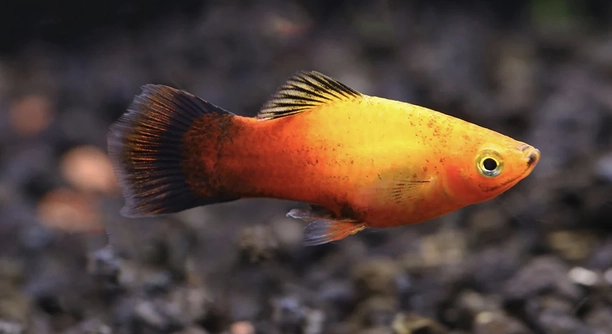
Is your platy showing signs of poor digestion, like bloating or sluggishness, and you’re not sure how to support its health naturally?
Improving platy digestion naturally involves optimizing their environment, feeding schedule, and diet. Key factors include water quality, fiber-rich foods, and avoiding overfeeding, all of which support healthy gut function and nutrient absorption in freshwater aquarium fish.
These natural tips are easy to follow and can lead to long-term improvements in your platy’s digestive health and energy levels.
Feed High-Quality, Fiber-Rich Foods
A healthy digestive system starts with the right diet. Platys benefit from high-quality flakes or pellets that contain vegetable matter, along with occasional treats like blanched spinach or shelled peas. These foods provide the fiber needed to keep their digestive tract moving smoothly. Avoid overfeeding or relying too heavily on protein-rich foods, as this can slow digestion and cause bloating. Feeding them small portions two to three times a day is more effective than offering one large meal. Keeping a balanced and consistent diet can noticeably improve their activity levels and reduce signs of digestive discomfort, such as constipation or floating.
Look for ingredients like spirulina, zucchini, or algae in your platy’s food. These support digestion and add gentle roughage.
Introduce fiber gradually if your platy isn’t used to it. Sudden dietary changes can lead to digestive stress. Consistency is key, and fresh options should always be cleaned and properly prepared.
Maintain Clean Water Conditions
Poor water quality can directly impact digestion. Waste buildup, leftover food, and rising ammonia levels all stress your platy’s system. This can slow digestion, reduce appetite, and increase the risk of illness.
To support better digestion, perform regular water changes—about 25% weekly—and test water parameters to keep ammonia, nitrites, and nitrates under control. Use a reliable filter that suits your tank size and rinse filter media in tank water monthly to avoid bacterial loss. Avoid overfeeding, as uneaten food decays and affects water balance. A stable water temperature, ideally between 72–78°F, also helps keep digestion on track. Monitor for sudden temperature swings, which can slow metabolic function. Clean water allows your platy’s internal systems to work efficiently without added stress. Keep an eye on tank debris and remove decaying plant matter as part of routine care.
Avoid Overfeeding and Stick to a Routine
Overfeeding is a common issue that can lead to bloating and slow digestion. Platys have small stomachs, so they do best with small meals spaced out across the day instead of large, infrequent feedings.
Feed your platy two to three times a day using a small pinch of food each time. They should be able to finish eating within two to three minutes. If food remains after that time, you’re likely feeding too much. Uneaten food settles at the bottom and affects water quality, adding stress to their system. Sticking to a set schedule helps your platy’s digestive system stay regular. It also lets you observe any changes in appetite or behavior, which can signal digestive discomfort or illness. Consistency in feeding routines makes it easier for your fish to maintain healthy digestion and energy levels over time.
Monitor your platy’s belly for signs of overfeeding. A slightly rounded shape is normal, but if it appears distended or they begin floating oddly, you may need to adjust their feeding. Fast them for a day if you notice bloating, then resume feeding in smaller portions. Regularly check that their food is suitable for omnivorous fish and not too rich in protein. Proper portion control supports long-term digestive comfort.
Add Live or Frozen Foods in Moderation
Supplementing your platy’s diet with live or frozen foods like daphnia or brine shrimp can aid digestion when used occasionally. These foods provide natural enzymes and moisture, which help prevent constipation and improve nutrient absorption.
Feed live or frozen foods once or twice a week, not daily. Too much protein from these sources can strain their digestive system, especially if combined with rich dry foods. Daphnia, in particular, acts as a natural laxative and can help with minor digestive sluggishness. Rinse frozen foods before feeding to remove excess preservatives or salt. Always defrost them properly. Adding variety through fresh or live food supports a more natural diet, helping your platy stay active and regular. Keep portions small and observe how your fish responds. If they show signs of bloating, reduce the frequency and review the balance of their overall diet.
Observe Behavior After Feeding
Watch how your platy behaves after meals. They should swim calmly, with no signs of stress or imbalance. Floating near the surface, sinking, or swimming sideways could signal digestive discomfort or bloating.
Also, pay attention to waste. Healthy digestion produces solid, short droppings. Long, trailing, or stringy waste may suggest poor food quality or internal issues.
Use a Feeding Ring or Designated Area
Feeding rings help limit how much food spreads in the tank. They keep food in one spot, making it easier for your platy to eat and for you to control portions. Floating flakes stay accessible longer and reduce waste buildup.
Include Shelled Peas as an Occasional Digestive Aid
Shelled, boiled peas can ease constipation and support digestion. Offer a small, mashed piece once a week. Remove the outer skin before feeding. Peas are gentle on their system and provide fiber, making them a simple, natural remedy.
FAQ
How can I tell if my platy is constipated?
Signs of constipation in platies include a swollen belly, difficulty swimming, and reduced appetite. You might also notice stringy or no feces over several days. Floating at the surface or sinking without control can be symptoms as well. Monitoring these signs early helps address digestion problems promptly.
What foods help improve platy digestion?
Foods rich in fiber like blanched peas, spinach, and algae help digestion. Occasional live or frozen foods such as daphnia can aid digestion by adding moisture and enzymes. Avoid excessive protein-rich foods to prevent bloating and slow digestion. Balanced flakes with vegetable content are ideal daily options.
Is fasting good for a platy’s digestion?
Yes, fasting your platy for one day can help clear the digestive tract if you notice bloating or constipation. It allows the fish to rest their gut and can reduce digestive discomfort. However, don’t fast regularly; it’s best used only when digestive issues arise.
How often should I feed my platy?
Feeding two to three times daily in small amounts is best. Each meal should be small enough for your platy to finish within two or three minutes. Overfeeding can cause digestive problems and water quality issues. Regular feeding schedules support healthy digestion.
Can water temperature affect digestion?
Absolutely. Platys digest food best in stable water temperatures between 72–78°F (22–25.5°C). Temperatures too low slow down metabolism and digestion, while rapid temperature changes can stress fish and disrupt digestive function. Keep tank temperature consistent for optimal health.
Are live foods necessary for good digestion?
Live or frozen foods aren’t required daily but provide beneficial enzymes and moisture that support digestion. Used sparingly once or twice a week, they add variety and help prevent constipation. Overfeeding live foods can lead to protein overload, so moderation is key.
What causes bloating in platies besides diet?
Besides diet, poor water quality and stress are major factors. High ammonia or nitrite levels can damage internal organs and affect digestion. Sudden changes in environment or aggressive tank mates may also cause stress that leads to digestive issues. Proper tank care is essential.
Can shelled peas really help with digestion?
Yes, shelled peas are a common home remedy for constipation. Their fiber content helps move waste through the gut. Feeding a small, cooked, peeled piece once a week can ease digestion problems without harming your fish’s system. Always remove the skin to avoid choking.
What should I do if my platy refuses food?
Loss of appetite can indicate digestive distress or illness. Check water conditions and tank mates. Try offering softer, easier-to-digest foods like blanched vegetables or live daphnia. If the refusal lasts more than a couple of days, consider consulting a vet familiar with fish health.
How important is water cleanliness for digestion?
Very important. Dirty water increases stress and exposes your platy to harmful toxins that can damage its digestive system. Regular water changes and proper filtration maintain a healthy environment, allowing digestion to function normally and keeping your fish active and healthy.
Final Thoughts
Maintaining healthy digestion in your platy is essential for its overall well-being and longevity. The digestive system plays a vital role in breaking down food, absorbing nutrients, and eliminating waste efficiently. When digestion is not functioning properly, your platy may show signs of discomfort, such as bloating, lethargy, or unusual swimming behavior. Paying attention to their diet, feeding habits, and tank conditions can prevent many common digestive problems. Small, consistent efforts in care can make a significant difference in your fish’s health and happiness over time.
Feeding a balanced diet that includes fiber-rich foods and occasional live or frozen treats supports proper digestion. Overfeeding or providing the wrong types of food can cause problems like constipation or bloating, which can be harmful if left unchecked. Monitoring feeding amounts and maintaining a regular schedule helps keep the digestive system on track. Additionally, offering natural aids like shelled peas can gently relieve minor digestive issues. It is important to introduce any dietary changes gradually to avoid stress and further digestive upset. Taking care to maintain water quality and stable tank conditions also supports your platy’s digestive health by reducing environmental stressors.
Overall, improving your platy’s digestion naturally requires a combination of good nutrition, careful feeding, and proper tank maintenance. Keeping an eye on your fish’s behavior and physical condition will help you catch potential problems early. Regular water changes, a balanced diet, and avoiding overfeeding are simple but effective strategies. With attention and care, your platy can enjoy a healthy digestive system and an active, vibrant life in your aquarium. These small steps ensure your platy stays comfortable and thriving, creating a rewarding experience for both you and your fish.

Hello,
If you enjoy the content that we create, please consider saying a "Thank You!" by leaving a tip.
Every little bit helps us continue crafting quality advice that supports the health, happiness, and well-being of pets around the world, for pets of all shapes, sizes, and species.
We really appreciate the kindness and support that you show us!