
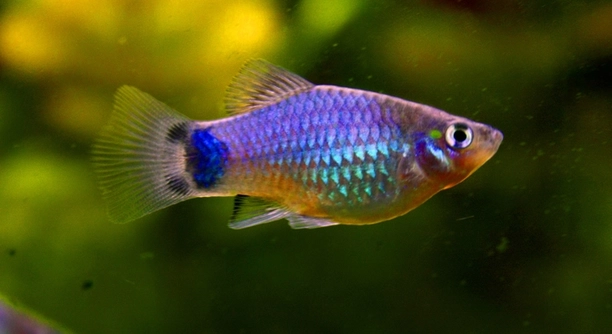
Platies are popular freshwater fish known for their bright colors and peaceful nature. Many aquarists enjoy keeping them because they adapt well to community tanks. Creating a calm environment helps these fish thrive and display their best behavior.
A peaceful platy tank depends on proper tank size, stable water conditions, compatible tank mates, adequate hiding spots, gentle filtration, balanced feeding, and regular maintenance. Each factor contributes to reducing stress and promoting a healthy, harmonious habitat.
Learning about these key elements will help you maintain a calm and enjoyable space for your platies and other aquatic friends.
Proper Tank Size for Platies
Platies need enough space to swim comfortably and avoid stress. A tank that is too small can cause overcrowding, which leads to aggression and poor water quality. For a small group of platies, a 20-gallon tank is usually enough. This size allows for swimming room and helps keep water stable. Bigger tanks offer more stable conditions and reduce the chance of rapid changes in temperature or chemistry. Overcrowding can make platies hide more and stop eating properly, so it is important to consider how many fish will live in the tank. Adding other fish means you need even more space to avoid competition for food and territory. Regularly checking the tank size and the number of fish helps keep the environment peaceful and healthy for platies.
Proper tank size supports better water quality, stable temperatures, and healthier fish behavior.
A spacious tank also makes it easier to add plants and decorations that provide hiding places and reduce stress for platies.
Stable Water Conditions
Platies thrive in water that stays steady in temperature, pH, and cleanliness. Sudden changes can cause stress or illness. Keeping the temperature between 70-78°F helps them stay active and healthy. The pH should be neutral to slightly alkaline, around 7.0 to 8.2. Regular water testing and partial water changes keep harmful chemicals low. Filtration is important but should be gentle to avoid strong currents. When water conditions are stable, platies show brighter colors and swim confidently. Stability in the water environment also helps prevent diseases. Avoid sudden changes like adding new water too quickly or changing the tank’s location often. Using a heater and a reliable filter makes it easier to maintain these conditions. Overall, stable water supports a peaceful tank where platies feel secure.
Maintaining steady water quality reduces stress and creates a healthier habitat for platies.
Following these water care steps will help your platy tank remain a calm and vibrant place for all its inhabitants.
Compatible Tank Mates
Platies get along well with other peaceful fish. Avoid aggressive or overly active species that might stress them out. Ideal companions include guppies, mollies, and small tetras.
Choosing compatible tank mates helps keep the tank calm and reduces fights or bullying. Fish that share similar water needs and temperaments create a balanced environment. Avoid large or territorial fish, as they can intimidate platies. Also, shy species can benefit from the presence of platies, which are generally friendly. Keeping groups of the same species prevents loneliness and competition. Regular observation helps identify any signs of stress or aggression early. The goal is a peaceful community where all fish can thrive together without conflicts.
Providing proper hiding spots also supports harmony by allowing fish to retreat if needed. This careful selection helps maintain a stable, peaceful tank atmosphere.
Adequate Hiding Spots
Platies need places to hide and feel safe. Plants, caves, and decorations provide shelter from bright lights and potential threats. This reduces stress and encourages natural behavior.
Having several hiding spots spread throughout the tank allows platies to explore without fear. Live plants like Java fern or Anubias create gentle cover while helping improve water quality. Smooth rocks and driftwood offer additional refuge and add natural beauty. Without hiding places, platies may become shy or stressed, which affects their health. Proper hiding spots also help when introducing new fish, giving everyone a chance to adjust. Even simple decorations can break up open spaces and create a more comfortable environment. When fish feel secure, they are more active and social, making the tank more enjoyable to watch.
Regularly changing or adding new hiding spots can keep the tank interesting and support ongoing well-being for your platies.
Gentle Filtration
Strong currents can stress platies and tire them out. Use a filter that provides gentle water flow to keep the tank clean without disturbing the fish.
A sponge filter or adjustable flow filter works well. It maintains water quality while creating a calm environment.
Balanced Feeding
Overfeeding can pollute the tank and harm platies. Feed small amounts once or twice a day, only what they can eat in a few minutes.
Platies enjoy a mix of flakes, pellets, and occasional live or frozen foods. This diet keeps them healthy and colorful.
Regular Maintenance
Cleaning the tank regularly helps keep water healthy and reduces stress for platies. Remove uneaten food and waste during water changes.
Consistent maintenance supports a peaceful, thriving tank environment.
FAQ
How often should I change the water in a platy tank?
Regular water changes are important to keep the tank clean and the fish healthy. Changing about 20-25% of the water every week is a good routine. This helps remove toxins like nitrate and keeps the water chemistry stable. Avoid changing too much water at once, as sudden changes can stress the fish. Always use dechlorinated water that matches the tank’s temperature. If you notice the water getting cloudy or smelling bad, it might be time to change more often. Regular water testing can help you decide the best schedule for your tank. Keeping a consistent routine helps platies stay comfortable and peaceful.
What temperature is best for platies?
Platies do best in water temperatures between 70 and 78 degrees Fahrenheit (21 to 26 degrees Celsius). Temperatures outside this range can cause stress or health problems. Using an aquarium heater and a thermometer helps keep the water steady. Avoid placing the tank near windows or vents where temperature can fluctuate. When the temperature is stable, platies are more active and show brighter colors. Sudden temperature changes can weaken their immune system, so it’s important to maintain a warm, consistent environment.
Can I keep platies with aggressive fish?
Platies are peaceful and do not do well with aggressive or territorial fish. Aggressive tank mates can cause stress, injuries, or even death. It’s best to choose calm species that have similar water needs, such as guppies, mollies, or small tetras. Avoid large cichlids, bettas, or other fish known for fighting. If you want a community tank, research each species carefully to ensure compatibility. Providing plenty of hiding spots can help reduce stress, but it won’t solve problems caused by aggressive neighbors. Peaceful companions keep the tank environment calm and healthy.
How do I know if my platies are stressed?
Signs of stress in platies include hiding more than usual, loss of appetite, faded colors, and erratic swimming. They might also scratch against objects or become lethargic. Stress can come from poor water quality, overcrowding, wrong tank mates, or sudden changes in environment. Observing your fish daily helps catch problems early. If you notice these signs, test the water and check tank conditions. Adjusting water parameters, reducing overcrowding, or adding hiding places can help reduce stress. Healthy, happy platies are active, curious, and show bright colors.
What should I feed platies?
Platies are omnivores and need a balanced diet. High-quality flakes or pellets designed for tropical fish form the base of their diet. Supplement this with occasional live or frozen foods like brine shrimp, daphnia, or bloodworms for protein. Adding some vegetable matter, such as blanched spinach or zucchini, supports their digestion. Feed small amounts once or twice a day, only what they can eat within a few minutes. Overfeeding can pollute the tank and harm the fish. A varied diet keeps platies healthy, colorful, and energetic.
Is it necessary to have plants in a platy tank?
While not required, plants greatly benefit platies by providing hiding spots and improving water quality. Live plants absorb nitrates and add oxygen to the water. Platies also enjoy nibbling on some plant matter. Species like Java fern, Anubias, and hornwort are easy to care for and safe for platies. Plants help create a natural environment that reduces stress and encourages natural behavior. They also soften strong currents and offer places for fry to hide. If live plants aren’t an option, well-placed artificial plants can provide similar shelter.
How many platies should I keep together?
Platies are social and do best in groups of at least three or more. Keeping several platies together reduces stress and aggressive behavior within the group. A good ratio is one male to two or three females to avoid constant chasing. Overcrowding should be avoided because it leads to poor water quality and stress. For a 20-gallon tank, around 6 to 8 platies is ideal, leaving enough room for swimming and other tank mates. Monitoring behavior helps ensure the group stays peaceful and balanced.
What type of substrate is best for a platy tank?
Platies don’t have specific substrate needs, but fine gravel or sand works well. A smooth substrate prevents injury when fish explore the bottom. It also supports live plants by anchoring roots. Avoid sharp or rough substrates that can harm delicate fins. Darker substrates can make the colors of platies stand out more. Keeping the substrate clean by vacuuming during water changes helps prevent waste buildup and maintains water quality. Choosing the right substrate helps create a comfortable and healthy home for your platies.
Creating a peaceful platy tank takes some care and attention, but the effort is worth it. Platies are gentle fish that do best in calm and stable environments. Giving them enough space to swim, steady water conditions, and compatible tank mates all play a big role in their well-being. When these factors come together, the fish stay healthy, show bright colors, and behave naturally. Taking the time to plan and maintain the tank will help you enjoy watching your platies in a peaceful setting.
Another important part of keeping a peaceful tank is providing hiding spots and gentle filtration. Platies need places to feel safe when they want to rest or escape from other fish. Plants, caves, and decorations offer this security and lower stress levels. At the same time, a filter that keeps water clean without creating strong currents helps maintain balance in the tank. Clean water and a calm flow make it easier for platies to swim freely and avoid unnecessary stress. Regular tank maintenance, such as partial water changes and cleaning, supports this peaceful environment and helps prevent problems before they start.
Finally, feeding platies a balanced diet and monitoring their behavior contributes to a peaceful tank. Overfeeding can cause water pollution and lead to health issues, so it’s best to feed small amounts that fish can eat quickly. Watching your platies daily allows you to spot any signs of stress or illness early on. If the fish look healthy and act normally, it usually means the tank conditions are right. By paying attention to these key areas, you create a space where platies can live comfortably and happily. Peaceful tanks are not only good for the fish but also more enjoyable to care for and watch over time.

Hello,
If you enjoy the content that we create, please consider saying a "Thank You!" by leaving a tip.
Every little bit helps us continue crafting quality advice that supports the health, happiness, and well-being of pets around the world, for pets of all shapes, sizes, and species.
We really appreciate the kindness and support that you show us!