
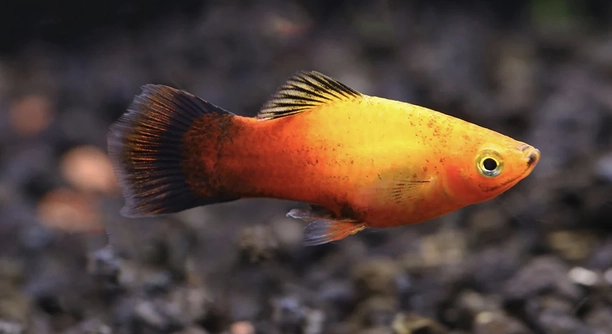
Many people enjoy keeping platies as colorful and peaceful aquarium fish. These small fish are often observed for their behavior and interactions in home tanks. Understanding their emotional responses can help owners care for them better.
Scientific studies show that while platies exhibit behaviors indicating stress or discomfort, there is no clear evidence they experience sadness or grief in a human sense. Their responses are more likely linked to environmental changes and survival instincts.
Exploring platy behavior can offer valuable insights into their needs and improve the quality of care they receive in captivity.
How Platies Show Stress and Discomfort
Platies can show signs of stress and discomfort through their behavior and appearance. When stressed, they might swim erratically or hide more than usual. Changes in water quality, temperature, or tank mates can cause these reactions. You may notice a loss of appetite or faded colors, which also indicate something is wrong. Sometimes, platies display rapid gill movement or stay near the surface, searching for oxygen. These signs do not mean sadness but reflect their physical condition. Monitoring these behaviors helps owners act quickly to improve the fish’s environment. Stress in platies often comes from changes they cannot control. It’s important to maintain stable tank conditions and avoid overcrowding. Regular water tests and careful observation can prevent stress and promote healthier fish. Recognizing these behaviors early makes a big difference in their well-being and longevity.
Stress in platies is mostly caused by environmental factors rather than emotional experiences.
Providing a stable habitat with clean water and proper companions reduces stress. Keeping a regular routine benefits their overall health and prevents behavioral issues. With good care, platies usually recover quickly from temporary stress. Observing them closely gives insight into their needs. Avoid sudden changes in tank setup to keep them comfortable. This attentive care supports their natural behavior and appearance. Understanding these signs helps maintain a thriving aquarium where platies feel secure and healthy.
Understanding Emotional Responses in Fish
Platies do not have the brain structures needed for complex emotions like sadness or grief. Their responses are instinctual, meant to ensure survival rather than express feelings. When a platy loses a tank mate or faces a threat, it may behave differently, but this is not proof of grief. Instead, changes in behavior often relate to stress or the search for safety. Fish are sensitive to their environment and react accordingly. Their simple nervous system allows them to respond to stimuli but not process emotions like mammals do.
Though platies lack human-like emotions, owners can still notice changes when something disrupts their routine or environment. These changes serve as important signals to adjust care or conditions. Recognizing that platies operate on instinct rather than emotion helps set realistic expectations about their behavior. Providing a calm and stable environment remains key to supporting their health. Learning to read these signals will help ensure the platies stay comfortable and well cared for in any aquarium setup.
Recognizing Changes in Platy Behavior
Platies often change their behavior when something in their environment is off. These changes are important signals for their health and comfort.
When platies feel unsafe or stressed, they may hide more or stop eating. Swimming patterns might become irregular, or they may isolate themselves from other fish. Sometimes, a platy will stay near the surface or bottom of the tank, which is unusual for their normal activity. These behaviors usually point to discomfort rather than emotional distress. Observing these signs helps you identify problems like poor water quality, illness, or incompatible tank mates early on. Taking quick action can prevent serious health issues and keep your platies active and healthy.
Recognizing these changes takes time and attention. Over time, you’ll learn what is normal for your platies and notice when something is wrong. This understanding helps improve their care and ensures they thrive in their aquarium.
How to Support Platies During Stressful Times
Providing stable water conditions is crucial for platies when they show signs of stress. Regular water changes, proper filtration, and maintaining the right temperature range keep their environment comfortable. Avoid sudden changes in the tank setup or adding aggressive fish that can increase stress levels. Feeding a balanced diet with quality food supports their immune system during difficult periods. Sometimes adding hiding spots like plants or decorations helps platies feel safer. A quiet environment without loud noises or frequent disturbances also reduces stress. Paying close attention to these details gives platies a better chance to recover quickly from stressful situations and maintain good health.
Common Triggers for Stress in Platies
Changes in water temperature and poor water quality are common triggers of stress in platies. These factors can cause discomfort and impact their behavior quickly.
Introducing new or aggressive tank mates also increases stress. Overcrowding makes it hard for platies to find space, causing tension in the tank.
The Role of Routine in Platy Well-Being
Maintaining a consistent routine for feeding and tank maintenance helps platies feel secure. Sudden changes can confuse them and trigger stress responses. Regular schedules for water changes and feeding support their health and reduce the chance of behavioral problems. Platies respond well to stable conditions where their needs are predictably met. This predictability lowers stress and encourages natural behaviors, such as swimming actively and interacting peacefully with tank mates. A calm environment with minimal disruptions allows platies to thrive. Keeping their habitat stable is one of the best ways to support their well-being over time.
Signs of Healthy Platies
Can platies feel sadness or grief like humans do?
No, platies do not feel sadness or grief as humans understand these emotions. Their brains lack the complexity required for such feelings. What looks like sadness is usually a reaction to changes in their environment or health. They respond instinctively to stressors but do not process emotions the way mammals do.
How can I tell if my platy is stressed?
Signs of stress in platies include hiding frequently, loss of appetite, faded colors, and erratic swimming. You might notice rapid gill movement or a tendency to stay near the surface or tank bottom. These behaviors often point to poor water quality, temperature changes, or incompatible tank mates. Watching for these signs helps catch problems early.
What should I do if my platy shows signs of stress?
First, check the water quality by testing pH, ammonia, nitrites, and nitrates. Make sure the temperature is stable and within the ideal range (around 72-78°F or 22-26°C). Remove aggressive fish or overcrowding if present. Perform a partial water change and add hiding spots like plants. Feeding a balanced diet and minimizing disturbances can also help reduce stress.
Can platies recognize the loss of a tank mate?
Platies may notice when a tank mate disappears, but this doesn’t mean they experience grief. Their behavior might change due to altered social dynamics or stress from the change. They are more focused on survival and maintaining territory than on emotional loss.
Do platies show affection or bond with their owners?
Platies are social with other fish but don’t bond emotionally with humans like some pets do. They may swim near you out of curiosity or because they associate you with feeding. This behavior is based on recognition and routine, not affection or emotional connection.
How often should I test the water in my platy tank?
Testing water at least once a week is recommended to ensure stable and healthy conditions. Frequent monitoring helps catch problems before they cause stress or illness. Use a reliable test kit to check pH, ammonia, nitrite, and nitrate levels regularly.
What are common causes of illness in platies?
Illnesses in platies often come from poor water quality, stress, or parasites. Symptoms include clamped fins, white spots, lethargy, and difficulty swimming. Prompt water testing, quarantine of new fish, and maintaining a clean tank reduce disease risks.
Is it normal for platies to hide a lot?
Platies hide when they feel threatened, stressed, or unwell. Some hiding is normal, especially in new environments. Excessive hiding can indicate problems like poor water conditions, bullying by other fish, or illness.
How much space do platies need?
Platies need about 5 gallons (19 liters) of water per fish for a healthy environment. Overcrowding causes stress, poor water quality, and aggression. Providing enough space allows them to swim freely and reduces tension.
What is the ideal diet for platies?
Platies are omnivores and need a balanced diet of flakes, pellets, and occasional live or frozen foods like brine shrimp or daphnia. Supplementing with fresh vegetables such as zucchini or spinach keeps them healthy and vibrant.
Can platies live with other fish?
Platies are peaceful and do well with other non-aggressive species of similar size. Avoid keeping them with large or aggressive fish that may bully or eat them. Good tank mates include guppies, mollies, and tetras.
How long do platies usually live?
With proper care, platies live about 2 to 3 years on average. Good water quality, a balanced diet, and a stress-free environment contribute to a longer, healthier life.
What temperature is best for platies?
Platies thrive in water temperatures between 72°F and 78°F (22°C to 26°C). Temperatures outside this range can cause stress and increase susceptibility to illness.
How can I introduce new fish to my platy tank safely?
Quarantine new fish for at least two weeks before adding them to the main tank. This helps prevent disease spread. Introduce new fish slowly and monitor interactions to avoid stress or aggression.
What signs show a platy is healthy?
Healthy platies have bright colors, swim actively, eat regularly, and interact with tank mates. Their fins should be intact without tears or clamping. Consistent behavior and appetite indicate good health.
How often should I clean my platy tank?
Partial water changes of 20-30% once a week are ideal. Avoid cleaning the tank completely to preserve beneficial bacteria. Regular gravel vacuuming and filter maintenance keep the environment safe and stable.
Can stress cause platies to lose color?
Yes, stress often causes platies to lose their bright colors. Improving water quality, reducing disturbances, and maintaining stable conditions usually help colors return.
Are platies sensitive to changes in lighting?
Platies prefer consistent lighting with a regular day-night cycle. Sudden or extreme changes in lighting can stress them. Using a timer for aquarium lights helps keep a steady routine.
Do platies need hiding spots?
Hiding spots like plants and decorations provide security for platies. These areas help reduce stress by giving them places to retreat when feeling threatened or overwhelmed.
Is overcrowding harmful to platies?
Overcrowding leads to poor water quality, stress, and increased aggression. Keeping the right number of fish per tank size helps maintain a healthy and peaceful environment.
Platies are small, colorful fish that many people enjoy keeping in their home aquariums. They are known for being peaceful and easy to care for, but like all living creatures, they respond to their environment. While it can sometimes seem like platies show emotions such as sadness or grief, what they really show are signs of stress or discomfort. These signs can help owners understand when something is wrong with their fish or the tank conditions. It is important to recognize these behaviors so that platies can be cared for properly and kept healthy.
Taking care of platies means paying close attention to their environment. Stable water quality, appropriate temperature, and enough space are all necessary to keep them comfortable. Changes in the tank, like introducing new fish or adjusting the setup, can cause stress that affects how platies behave. When platies seem to hide, lose color, or swim differently, these are clues that their environment needs to be checked. Making small changes, such as performing regular water changes or adding plants for hiding spots, can make a big difference in reducing stress for platies. This kind of care helps them live longer and stay more active.
Understanding the limits of what platies feel is important for their well-being. They do not experience complex emotions like humans do, but they do react to their surroundings in ways that help them survive. By providing a stable, clean, and peaceful environment, owners support their platies’ natural behavior and health. Paying attention to signs of stress and responding quickly will help maintain a happy and healthy aquarium. With good care and observation, platies can thrive and bring color and life to any tank.

Hello,
If you enjoy the content that we create, please consider saying a "Thank You!" by leaving a tip.
Every little bit helps us continue crafting quality advice that supports the health, happiness, and well-being of pets around the world, for pets of all shapes, sizes, and species.
We really appreciate the kindness and support that you show us!