
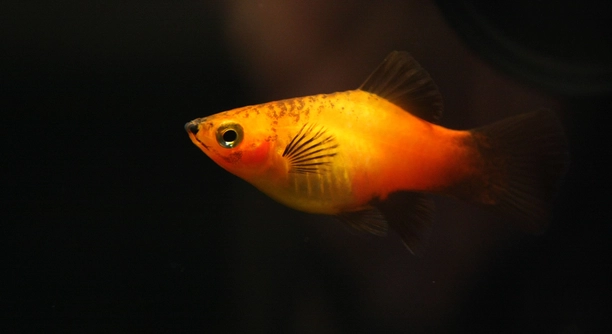
Have you ever stood near your aquarium and noticed your platies swimming toward you, as if they recognize your presence?
Platies are capable of recognizing their caretakers through visual cues and learned associations. While they may not have complex memory, consistent interaction helps them associate specific individuals with food and safety.
Understanding how platies respond to familiar people can help you build a stronger bond and support their well-being in a home aquarium.
How Platies Respond to Familiar Faces
Platies are small, active fish that often become used to a routine in their tanks. When you feed them at the same time each day, they start to recognize the pattern and associate your presence with food. This doesn’t mean they understand who you are in a human sense, but they can connect your appearance or movements with something positive. Over time, platies may swim toward the front of the tank when they see you. Their behavior becomes more confident and curious around familiar people, especially those who feed or care for them regularly. They are not showing deep emotional attachment, but rather responding to learned behavior. Their ability to recognize patterns helps them feel more secure in their environment. This is especially noticeable when they react differently to strangers or unfamiliar activity near the tank.
They may not have strong memory skills, but they do remember basic associations over time.
Platies rely mostly on sight and repetition. If you feed them while wearing bright colors or approach the tank the same way each day, they begin to expect interaction. This repetition builds a simple recognition that shapes how they behave.
What Science Says About Fish Recognition
Fish have shown surprising levels of perception in various studies. While platies have not been tested as much as other species, research on fish behavior shows that many can distinguish between individuals. This ability is not always based on emotion but rather survival and routine. In some cases, fish learn to recognize shapes, faces, or specific movements over time. For platies, this likely means they rely on visual cues like hand movements, body shape, and feeding patterns. Their memory works best when there is repetition and consistency in their care. So, while they won’t “know” you like a dog might, their actions can still show a basic understanding of who interacts with them most. This recognition encourages natural, calm behavior, which helps reduce stress in the tank. Creating a steady routine allows platies to feel more secure and responsive.
Signs Your Platies Might Recognize You
Platies often swim to the front of the tank when they see you, especially around feeding times. They may follow your movement or become more active when you’re nearby. These behaviors are usually signs of recognition built through routine.
If your platies tend to gather in one area when you approach, it likely means they associate your presence with something positive. Their swimming may become more energetic, and they might hover near the surface, anticipating food. Over time, they also seem less startled by your movements, showing comfort and familiarity. While not emotional, these patterns suggest they can identify who consistently cares for them. Even without direct interaction, your daily routine—how you walk, speak, or move near the tank—can influence their behavior. These small changes in their response over time are subtle signs of recognition that develop naturally with repetition.
You might also notice your platies staying visible longer when you’re near the tank, instead of hiding or darting away. This comfort doesn’t happen overnight but grows with time and consistency. The more predictable your care routine, the more familiar you become to them. They may even come closer out of curiosity, showing trust in their own way. These signs are easy to miss at first but become clearer as they repeat.
How to Encourage Recognition in Your Platies
Feeding your platies at consistent times and using the same movements can help them learn who you are. Approach the tank calmly, and speak softly if you usually talk near them. Avoid tapping the glass or making sudden motions, as these may startle them.
Use a regular care routine to create a sense of predictability. Feed your platies at the same spot in the tank each day. Try wearing the same bright-colored clothing when feeding or maintaining the tank—something they can begin to associate with you. Avoid switching caretakers too often, as this may slow their ability to recognize specific people. You can also spend a few minutes near the tank every day, letting them get used to your presence even outside of feeding times. Over time, they will start to associate your actions with safety and food. While they won’t recognize your face the way a cat or dog might, their behavior will reflect basic, learned trust.
Common Misunderstandings About Fish Recognition
Many people believe fish are not smart enough to recognize anything at all. This isn’t true. While platies have simple brains, they can still learn through repetition and association. They notice patterns more than faces or emotions.
Another common misunderstanding is that fish behave the same around everyone. In reality, platies may respond differently depending on who approaches the tank. This change in behavior often reflects who regularly feeds or interacts with them, even if it’s a subtle difference.
Why Routine Matters to Your Platies
Routine plays a big role in how platies respond to their environment. Feeding them at the same time every day, using the same hand movements, and keeping their space calm all help build familiarity. These habits reduce stress and allow the fish to associate specific people and actions with positive experiences. When routines are consistent, platies become more active and visible. They’re less likely to hide and more likely to swim toward their caretaker. Even small changes in your behavior—like moving too fast or switching feeding times—can confuse them. Sticking to a predictable routine helps your fish feel safe and builds basic trust over time.
Small Changes You Can Make
Keep your movements slow, speak softly near the tank, and avoid moving things around too often. These small changes help your platies feel more secure and responsive.
FAQ
Can platies really tell their caretaker apart from others?
Platies can distinguish between familiar and unfamiliar people, but this is mostly based on routine and visual cues. They do not recognize faces like mammals do but notice patterns like the way you approach the tank or when you feed them. Over time, they learn to associate these cues with food and safety. So, while they may not “know” you deeply, they can tell you apart from strangers by recognizing habits and appearances linked to positive experiences.
How long does it take for platies to recognize their caretaker?
Recognition depends on consistency. If you feed and care for them daily around the same time, platies may start showing signs of recognition in about one to two weeks. They begin swimming toward the front when you come near or become more active around feeding times. However, if the routine is irregular, it may take longer or be less noticeable. Patience and steady habits are key.
Do platies show affection toward their caretakers?
Platies don’t show affection like pets such as cats or dogs. Their responses are mostly about learned behavior and survival instincts. When they swim close or follow you near the tank, they are reacting to familiar stimuli, mainly because they expect food or feel safe. These behaviors indicate comfort and trust in their environment, but not emotional attachment.
Can platies recognize different people in the household?
Yes, to some extent. Platies can tell apart different individuals based on visual differences and feeding habits. If one person feeds them regularly, the fish may respond more eagerly to that person compared to others. However, this recognition is basic and relies on repeated patterns rather than complex memory or emotion.
Will platies get stressed if a new caretaker takes over?
Platies may show stress or hesitation with a new caretaker, especially if the feeding or care routine changes suddenly. They rely heavily on consistency. Introducing a new person gradually by letting them spend quiet time near the tank can help reduce stress. Keeping feeding times and methods the same also supports a smoother transition.
How can I help my platies feel more comfortable with me?
Approach the tank calmly and keep your movements gentle. Feed them regularly at the same times and locations, and speak softly near the aquarium if you want. Spending quiet moments near the tank without feeding also helps them get used to your presence. These small actions create a sense of routine and safety, encouraging your platies to respond more positively.
Do platies remember their caretaker after a long break?
Platies have short-term memory, so long breaks without interaction may weaken recognition. If you are away for weeks, they might not respond the same way when you return. However, re-establishing a consistent routine helps them recognize you again fairly quickly.
Can platies recognize their reflection or other fish?
Platies can see their reflection but usually don’t mistake it for another fish. They are more focused on real interactions within the tank, such as with other platies or tank mates. Recognition of other fish is based on social behavior, not the same as recognizing humans.
Is it possible to train platies to come when called?
Training platies is limited but possible to some degree. They respond best to consistent feeding signals like tapping the tank gently or using a specific light. Over time, they learn to associate these signals with food and may swim to the front when called. This isn’t the same as advanced training but shows their ability to learn simple routines.
What if my platies don’t seem to recognize me at all?
If your platies don’t respond, consider how consistent your routine is. Sudden changes in feeding times, lighting, or tank activity can confuse them. Also, if the tank is too large or crowded, they might not notice individual caretakers easily. Try slowing down your movements, feeding at regular times, and giving them quiet moments to adjust. Most platies do show recognition when given time and steady care.
Platies are small fish that rely mostly on simple patterns to feel comfortable in their environment. They don’t recognize people like pets such as cats or dogs do, but they can learn to connect certain actions and appearances with positive experiences. This means they can tell the difference between a regular caretaker and a stranger based on things like feeding routines and movements near the tank. When platies swim toward you or become more active when you approach, it is usually because they expect food or feel safe with you. This basic form of recognition helps them stay calm and reduces stress in their tank environment.
Building a good relationship with platies comes down to consistency and patience. Feeding them at the same time every day, using similar hand movements, and keeping the environment stable helps the fish learn to recognize you over time. Even small changes, like speaking softly near the tank or moving slowly, can make a difference in how comfortable they feel. If you care for your platies in a steady way, they will respond more positively and may show signs of familiarity through their behavior. However, it is important to remember that their recognition is based on routine and not emotional attachment.
In the end, knowing how platies recognize their caretakers can improve how you care for them. By creating a calm and predictable environment, you help your fish feel safer and more relaxed. This not only benefits their health but also makes watching and interacting with them more enjoyable. While platies may never greet you like a pet dog or cat, they do respond to care and attention in their own way. Understanding this simple connection can make a big difference in the experience of keeping these colorful, lively fish in your home.

Hello,
If you enjoy the content that we create, please consider saying a "Thank You!" by leaving a tip.
Every little bit helps us continue crafting quality advice that supports the health, happiness, and well-being of pets around the world, for pets of all shapes, sizes, and species.
We really appreciate the kindness and support that you show us!