
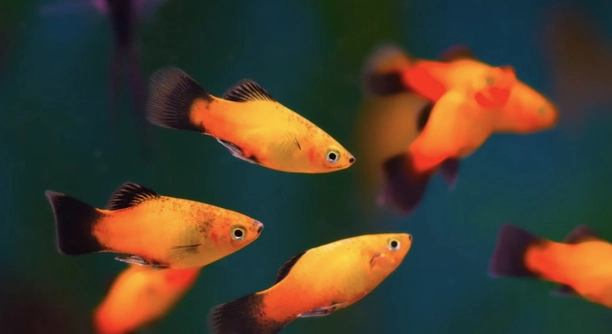
Have you ever kept a few platies and noticed how much more active and colorful they seem when they have company in the tank?
Keeping multiple platies offers both social and environmental benefits. These fish are naturally social, and housing them in small groups supports their well-being, reduces stress, and encourages more natural behavior.
Their behavior changes in small but noticeable ways, making them more enjoyable to watch and easier to care for when living in a suitable group.
They Feel More Secure in Groups
Platies are social by nature and prefer to live in groups. When kept with others of their kind, they feel more at ease, which helps lower stress. A single platy may become withdrawn or inactive, while those in small groups often swim more confidently. Security in numbers makes a difference. They tend to explore more of the tank and interact with their environment in a more natural way. This leads to better health and a stronger immune response. When platies feel secure, their colors also appear more vibrant, and their overall activity level increases. This makes them more enjoyable to observe and easier to care for. If you want your platies to thrive, keeping them in groups of at least three to five is a simple but effective step. It’s one of the easiest ways to support their well-being and help them feel at home in your aquarium.
They benefit from the presence of others, and that comfort shows in how they behave each day.
When they feel safe, platies are more active, which supports their overall health. This also helps reduce common stress-related issues like fin-nipping or hiding. Their comfort directly connects to how many others are around them in the tank.
Social Interaction Encourages Natural Behavior
Platies use social interaction to express themselves. In groups, they form a natural pecking order, communicate through movement, and follow one another around the tank. This kind of activity encourages mental stimulation and creates a more natural aquatic environment. Solo platies miss out on these subtle yet important behaviors. When housed with others, they are more likely to chase, display, and school together. This adds interest to your tank and helps prevent boredom. Social engagement keeps their minds active, and it often brings out behaviors you wouldn’t see in isolation. Even something as simple as group feeding becomes a sign of healthy interaction. Watching platies swim together, chase one another, or explore plants shows how essential companionship is for them. If you want to see your platies at their best, giving them opportunities to interact is one of the simplest ways to bring out their full range of behaviors.
Reduced Aggression and Stress
Platies kept alone or in pairs may show more aggressive behavior, especially if they feel unsafe or bored. In larger groups, this aggression often decreases because attention is spread out, and they feel more comfortable and secure in their surroundings.
When platies have enough companions, they are less likely to nip at each other or chase one another out of frustration. The group dynamic balances their behavior and creates a calmer tank environment. Each fish has more space to move freely without being the center of attention. This makes it easier for them to relax and show peaceful, predictable behavior. When aggression goes down, their physical health tends to improve as well. Injuries from nipping or fighting are far less common in a properly stocked group. It becomes easier to maintain a peaceful tank when the fish aren’t competing for attention or territory all the time.
Keeping multiple platies can also prevent one from becoming isolated or bullied. In small numbers, stronger fish may pick on a weaker one, but larger groups often prevent this by distributing attention. The weaker fish have more places to hide and more tankmates to blend in with. This lowers the chance of one being singled out or stressed too much.
Better Breeding Conditions
A group of platies increases your chances of successful breeding. With a good male-to-female ratio, you’re more likely to see regular mating behavior and healthy fry. One male for every two or three females usually works well to avoid stress.
In a group, females feel less pressure from males because attention is spread out. This reduces stress and improves their chances of producing healthy offspring. Males, on the other hand, show more natural courtship behavior when they have competition and space to interact. Having multiple platies also makes it easier to spot which fish are showing signs of pregnancy or mating readiness. If you’re hoping to raise fry, a group offers more balanced social conditions and more predictable results. It’s also helpful to have extra plants and hiding spots, as this allows pregnant females and young fry to hide safely. Overall, group settings create the best conditions for both breeding and survival.
More Engaging to Watch
Platies in groups are more active and lively, making the tank feel fuller and more entertaining. Their interactions, such as chasing, schooling, and feeding together, create constant movement that adds life to any aquarium setup.
They also show off their colors more often when around others. A group brings out the best in their appearance and activity, making your tank more enjoyable to observe day to day.
Helps Tankmates Adjust
When platies live in peaceful groups, other tankmates benefit too. Calm platies help keep the overall tank mood stable. New fish often adjust faster when they enter a relaxed environment. This balance helps reduce tension and makes it easier for different species to live together. Grouped platies are less likely to lash out or act territorial toward newcomers. Their friendly and predictable behavior sets a good tone in community tanks. Other fish pick up on this and tend to mirror the calm energy. When the platies are well-adjusted and feel secure, everyone else in the tank usually does better, too.
Encourages Healthy Feeding Habits
Feeding time becomes more organized and predictable when platies are in a group. They respond better to routines, and competition encourages them to eat regularly.
FAQ
How many platies should I keep together?
Platies do best in groups of at least three to five. This small group size helps reduce stress, encourages social behavior, and makes them feel safer. Keeping only one or two can lead to boredom or aggression. Larger groups tend to create a balanced, peaceful tank environment. If your tank is big enough, adding more can enhance both the health and appearance of your setup. Just make sure the tank size matches the number of fish you plan to keep. Overcrowding can lead to problems, even in a friendly group.
What is the best male-to-female ratio?
A good rule is one male for every two or three females. This helps keep the males from bothering any one female too much. Male platies can be persistent when showing mating behavior, and too many males can cause stress. With more females, attention is balanced and shared. If you have too many males, you may see more chasing and competition, which can lead to worn-out or injured females. A well-balanced ratio creates a calmer environment and improves group dynamics overall.
Will a group of platies eat all their babies?
Yes, platies often eat their fry if given the chance. It’s a natural response and not a sign that anything is wrong. To protect the fry, provide plenty of hiding places like plants or breeding grass. Some aquarists also move pregnant females to a separate tank or use breeder boxes. Once the fry are born, they can be raised separately or left to grow in the main tank if enough cover is provided. Even in a group, fry survival depends on hiding space and feeding routines.
Can I mix different colors or types of platies?
Yes, different colors and fin types of platies can live together without issue. They all belong to the same species and behave similarly. Mixing them makes your tank more colorful and active. Just make sure they all look healthy and show no signs of illness before adding them to the group. Platies don’t care about color differences, and they will interact and breed the same way no matter what mix you choose.
Do platies need a heater and filter in a group setup?
Yes, platies still need a heater and a filter even if kept in a group. They prefer stable water temperatures between 72–78°F (22–26°C). A heater keeps this consistent. A good filter is important too, as more fish produce more waste. This helps maintain water quality and keeps the environment healthy. Group setups also benefit from regular water changes and checking parameters like ammonia and pH. A stable, clean environment is key to long-term health.
How do I know if my group of platies is getting along?
Healthy groups swim together, feed together, and show playful chasing that doesn’t lead to harm. If you see fin-nipping, hiding, or constant stress in one fish, there may be imbalance or overcrowding. Watch their body language—raised fins, vibrant color, and steady movement are all signs they’re doing well. Adding plants and decorations can help reduce tension and give space when needed.
Can platies live with other fish species?
Yes, platies are peaceful and do well in community tanks. They pair well with guppies, mollies, tetras, and corydoras, among others. Avoid aggressive fish or those that nip fins. With the right tankmates, platies stay social and active. Having a group of platies also helps them interact more with others and remain confident.
Do platies need a lot of space in groups?
A 10-gallon tank can work for a small group of three to four, but larger tanks are better for long-term care. If you plan to keep five or more or add tankmates, aim for a 20-gallon tank or bigger. This gives each fish room to swim and grow while keeping water conditions stable. More space also helps reduce any stress caused by crowding.
Final Thoughts
Keeping multiple platies is a simple way to support their health and happiness. These small, colorful fish do better when they have company. In groups, they show more natural behavior, eat better, and feel safer in their environment. A group helps reduce stress, which often leads to better physical health and brighter colors. Whether you’re a beginner or have some experience with fish, platies are easy to care for and do not need complicated setups. Giving them a few companions can make a big difference in how they behave and how your tank looks overall.
A peaceful group of platies adds life to any aquarium. Watching them swim together and interact is calming and enjoyable. When they are surrounded by others, they tend to be more active and show more of their personality. You can also see more of their unique habits, like chasing, feeding together, and resting near plants. These little moments make having fish more rewarding. Plus, if you’re interested in breeding, a group makes it more likely that you’ll see healthy fry. Even if breeding isn’t your goal, having more than one platy helps reduce unwanted behaviors like nipping or hiding.
Taking care of a group doesn’t mean you need a huge tank or advanced equipment. A clean, stable environment with a good filter and heater is enough for most home aquariums. Keep an eye on water quality and make sure your tank is big enough for the number of fish you want. Start with three to five platies, and choose a mix of males and females to keep things balanced. Adding some plants or decorations can also help give them space to rest or hide when needed. In the end, keeping multiple platies is a simple choice that leads to a healthier and more active tank.

Hello,
If you enjoy the content that we create, please consider saying a "Thank You!" by leaving a tip.
Every little bit helps us continue crafting quality advice that supports the health, happiness, and well-being of pets around the world, for pets of all shapes, sizes, and species.
We really appreciate the kindness and support that you show us!