
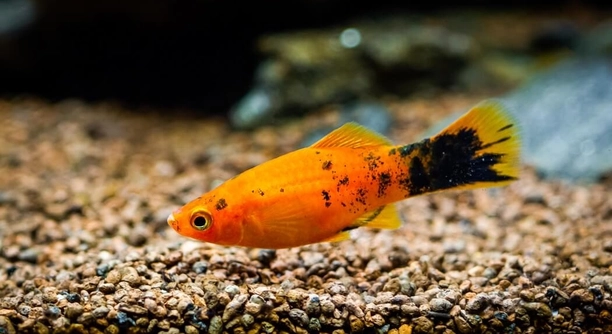
Are your platies steering clear of the heater area in their tank? This behavior is common and can signal how they feel about their environment. Understanding why they avoid warmer spots helps ensure their comfort and health.
Platies often avoid the heater area because it creates an environment that is too warm or uncomfortable. Fish prefer stable temperatures and may find the direct heat stressful, leading them to seek cooler, more stable regions in the tank.
Knowing why platies avoid certain areas can improve how you care for them and maintain a balanced aquarium environment. The following details explain what to look for and how to adjust their habitat.
Why Platies Avoid the Heater Area
Platies naturally prefer moderate and stable temperatures in their environment. When a heater is placed in the tank, it creates a localized warm spot that might feel too hot for them. Fish have sensitive skin and rely on comfortable water conditions to stay healthy. If the temperature near the heater rises beyond their ideal range, they will instinctively swim away to cooler parts of the tank. Overheated water can cause stress, weaken their immune system, and affect their behavior. Additionally, the heater area may have different water flow or oxygen levels, which can also influence where platies choose to swim. Understanding these factors helps keep your fish comfortable. Proper tank setup and monitoring temperature across the tank is key to preventing this avoidance behavior.
Heaters create uneven temperature zones in the tank, causing platies to avoid warmer areas for their comfort and health.
Adjusting heater placement and maintaining consistent water temperature helps platies feel secure and encourages balanced tank activity.
Signs Your Platies Are Uncomfortable
When platies avoid the heater area, they often gather in the opposite side of the tank or near cooler water sources like filters or open water. You might notice them clustering together more than usual or appearing lethargic if they are stressed. Another sign is erratic swimming or hiding behind decorations. If the water temperature rises too high, platies may also gasp at the surface due to low oxygen. It is important to regularly check water temperature with a reliable thermometer and ensure the heater is functioning correctly without overheating. Monitoring their behavior closely can help detect early signs of discomfort and prevent health issues.
Proper observation helps catch temperature-related stress before it becomes a serious problem. Adjusting tank conditions based on these signs can make a big difference.
Keeping the temperature consistent and suitable for platies supports their natural behavior and overall well-being. Avoid sudden changes, and create zones with moderate warmth rather than hot spots. This balance promotes healthier, happier fish.
Adjusting Heater Placement
Placing the heater near the bottom or the side of the tank can help create a more even temperature. Avoid positioning it where platies spend most of their time.
Using a heater guard or covering the heater with decorations can reduce direct heat exposure, helping platies feel safer. It’s important to monitor the temperature in different areas of the tank to make sure it stays balanced.
A well-distributed temperature allows platies to swim freely without avoiding parts of the tank. You can also use a water circulation pump to help spread warm water evenly. This reduces hot spots and prevents stress caused by uneven heating. Regular checks ensure the heater works properly and the environment stays comfortable.
Ideal Temperature Range for Platies
Platies thrive in temperatures between 72°F and 78°F (22°C to 26°C). Keeping water within this range helps maintain their health and activity levels.
Temperatures outside this range, especially warmer than 78°F, can cause platies to become stressed or avoid certain tank areas like near the heater. Sudden temperature changes are also harmful and can affect their immune system. Keeping a stable environment with minimal fluctuations is essential for their well-being.
Consistent temperature monitoring with a reliable thermometer is necessary. Adjusting the heater or adding a cooling option when needed keeps the tank comfortable. This prevents avoidance behavior and supports normal feeding and swimming patterns in platies.
Monitor Water Temperature Regularly
Using a reliable aquarium thermometer helps track water temperature accurately. Check the temperature daily to avoid sudden changes that stress platies.
Consistent monitoring allows you to catch problems early, such as heater malfunctions or uneven heat distribution.
Use Plants and Decorations to Create Shade
Adding plants and decorations provides shaded areas where platies can escape direct heat. These spots help fish regulate their temperature naturally.
Plants also improve water quality by absorbing nitrates and provide hiding places, making platies feel more secure. Choose live or artificial plants that won’t block water flow near the heater.
Avoid Overheating
Overheating in the tank can cause stress, illness, and avoidance behavior in platies. Maintain the temperature within their ideal range to prevent this.
FAQ
Why do my platies avoid the heater even when the water temperature seems fine?
Platies may avoid the heater because it creates a localized hot spot that feels uncomfortable. Even if the overall tank temperature is within range, the area right next to the heater can be too warm or cause water flow changes that platies dislike. They prefer stable, moderate temperatures and may swim away from places where heat feels uneven or intense.
How can I tell if the heater is causing stress to my platies?
Signs of stress from heater issues include platies hiding more than usual, swimming erratically, or clustering away from the heater. They may also become less active or show changes in appetite. Regularly checking water temperature near the heater and observing their behavior will help you identify if the heat is too strong or unevenly distributed.
What is the best way to set up a heater in a platy tank?
Place the heater near a filter outlet or in a corner where water circulation spreads the heat evenly. Avoid putting it where platies spend most time. Using a heater guard and surrounding it with decorations or plants can reduce direct heat exposure, helping fish feel more comfortable.
Can platies tolerate cooler water if they avoid the heater?
Platies prefer temperatures between 72°F and 78°F. Cooler water within this range is generally safe but too low temperatures can slow their metabolism and affect health. If they avoid the heater because it’s too warm, check the overall tank temperature to keep it consistent and within their comfort zone.
How often should I check the water temperature?
Daily temperature checks are best to catch fluctuations early. Using a reliable aquarium thermometer makes this easier. Sudden changes in temperature can cause stress, so consistent monitoring helps maintain a stable environment.
What should I do if my heater malfunctions?
Turn off the heater immediately and remove it if possible. Use an alternative heating method or add warm water gradually to maintain the tank temperature. Replace the faulty heater promptly to avoid temperature swings that can harm platies.
Are there other reasons platies might avoid the heater area?
Yes, factors like low oxygen levels near the heater, strong water currents, or poor water quality can also cause avoidance. Ensure good water circulation and keep the tank clean. Checking oxygen levels and performing regular maintenance will support their comfort.
Can plants help platies feel better about the heater area?
Yes, plants and decorations can create shaded, cooler areas near the heater. This gives platies places to retreat from direct heat, reducing stress and encouraging more balanced tank activity. Both live and artificial plants work well if placed thoughtfully.
Is it normal for platies to cluster away from the heater?
Yes, platies often group together in cooler parts of the tank if the heater area is too warm. This behavior is a natural way to avoid discomfort. If clustering becomes excessive, it may indicate temperature issues needing adjustment.
How do I maintain consistent water temperature?
Use a high-quality heater with a built-in thermostat and place it where water flows well. Regularly test the temperature and adjust the heater setting as needed. Avoid placing the tank in direct sunlight or near drafts that can cause fluctuations.
Can a water circulation pump improve heater distribution?
Yes, a circulation pump helps spread warm water evenly throughout the tank, reducing hot spots near the heater. This creates a more stable environment and encourages platies to explore the entire tank without avoiding heated areas.
What temperature range should I avoid for platies?
Temperatures above 78°F (26°C) and below 68°F (20°C) can stress platies or harm their health. Staying within the ideal range of 72°F to 78°F supports their activity and immune function.
How quickly should I react if I notice platies avoiding the heater?
Address the issue as soon as you notice persistent avoidance. Check temperature stability, heater placement, and water quality immediately. Early intervention helps prevent long-term stress and health problems.
Can sudden heater temperature changes cause illness?
Yes, rapid fluctuations can weaken platies’ immune systems and make them vulnerable to disease. Maintaining a stable, suitable temperature range minimizes this risk and supports their well-being.
Should I adjust feeding if platies avoid the heater area?
Avoidance of the heater itself does not usually affect feeding habits. However, stress from uncomfortable temperatures can reduce appetite. Keep feeding consistent and monitor their behavior for any changes related to temperature stress.
Are all platy breeds equally sensitive to heater temperature?
Most platy varieties have similar temperature preferences, but individual fish can vary. Observing your specific fish’s behavior helps determine if the heater setup meets their needs. Some may tolerate slight variations better than others.
What tools help maintain proper temperature control?
Reliable aquarium thermometers, heaters with adjustable thermostats, and water circulation pumps are essential. Combining these tools ensures even temperature distribution and steady monitoring for a healthy tank environment.
Is it okay to turn off the heater at night?
Platies generally need stable temperatures, so turning off the heater overnight can cause unwanted drops in water temperature. It’s better to keep the heater on and set it to maintain the ideal range around the clock.
Can tank size affect how platies respond to heater placement?
Yes, smaller tanks tend to have more temperature fluctuations and hot spots, making heater placement more critical. Larger tanks usually distribute heat more evenly but still require proper setup to avoid avoidance behavior.
How long does it take for platies to adjust after heater changes?
It can take a few hours to several days for platies to adapt to new temperature conditions. Consistent, gradual adjustments are best to avoid stress during this period.
Platies are sensitive to changes in their environment, especially temperature. When they avoid the heater area, it usually means something about the temperature or conditions there is uncomfortable for them. Keeping water temperature stable and within the ideal range of 72°F to 78°F is essential for their health and well-being. Uneven heating or hot spots near the heater can cause stress and lead to avoidance behavior. Paying attention to where your platies swim and how they act is an important part of caring for them. Small adjustments to heater placement or tank setup can make a big difference in how comfortable your fish feel.
Using tools like aquarium thermometers and circulation pumps helps maintain even temperatures throughout the tank. Placing the heater near a filter or in a corner where water moves freely will help spread warmth more evenly. Adding plants and decorations can also create shaded areas where platies can retreat if they want to avoid direct heat. This balance helps your fish stay active and relaxed in their tank. Regularly checking the heater’s function and monitoring water temperature ensures that the environment stays safe and comfortable for your platies. Avoid sudden changes in temperature, as they can cause stress and health problems.
Taking these steps helps create a healthy habitat where platies can thrive. Observing their behavior and responding to signs of discomfort early can prevent bigger problems down the line. Maintaining a stable and comfortable tank temperature supports their natural behavior and overall happiness. Remember that each tank and group of fish is unique, so what works best may require some trial and error. With patience and careful care, you can provide a safe space where your platies will feel at ease and avoid stressful areas like overheated heater spots.

Hello,
If you enjoy the content that we create, please consider saying a "Thank You!" by leaving a tip.
Every little bit helps us continue crafting quality advice that supports the health, happiness, and well-being of pets around the world, for pets of all shapes, sizes, and species.
We really appreciate the kindness and support that you show us!