
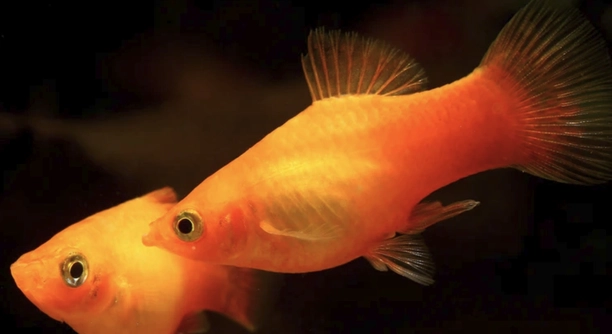
Baby platies are small, colorful fish that many aquarists enjoy raising. When these tiny fry grow, owners often wonder about combining them with other young fish. Understanding the right environment for baby platies is important for their healthy development.
Mixing baby platies with other fry is possible but requires careful consideration of species compatibility, size differences, and feeding needs. Aggressive or larger fry can harm baby platies, so selecting peaceful and similarly sized fish is essential to ensure their survival and growth.
Managing a balanced tank with baby platies and other fry takes some planning but can create a thriving aquatic community worth the effort.
Understanding Baby Platies’ Needs
Baby platies are delicate and require stable conditions to thrive. They need plenty of hiding spots to avoid being eaten by larger fish or more aggressive tank mates. Providing dense plants or small decorations helps create safe spaces. Water parameters should be consistent, with a temperature between 72 and 78°F and a pH around 7.0. Frequent water changes help maintain quality and prevent stress. Feeding is also important; baby platies need finely crushed flakes or specially prepared fry food several times a day to support their rapid growth. Overfeeding can cause water issues, so feeding small amounts multiple times works best. Keeping the tank clean and stable reduces the risk of illness and supports healthy development.
Proper tank maintenance and careful attention to feeding habits are key to raising healthy baby platies in a mixed fry environment.
Establishing these conditions early will support their growth and reduce conflicts with other fry, making the tank a safer place for all young fish.
Choosing Compatible Fry Species
Compatibility depends on size, temperament, and environmental needs. Small, peaceful species like neon tetras or guppy fry usually coexist well with baby platies. Avoid aggressive or fast-growing fry such as cichlids, which may outcompete or harm them. Matching water parameters for all species is essential to reduce stress and disease risk. Feeding strategies must also accommodate the dietary needs of all fry present. Introducing fry of similar sizes decreases the chance of predation. Observing their interactions closely during the first few days helps identify any issues early. Selecting species with similar care requirements simplifies tank management and enhances the chance of success.
Taking the time to research and select suitable tank mates promotes a healthy and peaceful environment for baby platies and other fry.
Feeding Baby Platies with Other Fry
Baby platies require frequent feedings of small, nutritious meals to support their growth. When mixed with other fry, it’s important to ensure all fish receive enough food without overfeeding the tank.
Feeding mixed fry tanks can be challenging because different species may have different dietary needs and feeding habits. Baby platies eat finely crushed flakes, micro pellets, or specialized fry food. Other fry may prefer live or frozen foods like baby brine shrimp or daphnia. To accommodate everyone, offering a variety of foods in small amounts several times a day works best. This prevents aggressive feeding behavior and ensures all fry get their share. Observing feeding times closely helps adjust quantities and types of food to prevent waste and maintain water quality.
Adjusting feeding routines also involves monitoring water conditions regularly, since overfeeding can quickly pollute the tank. Maintaining a clean environment supports fry health and reduces stress caused by competition over food.
Preventing Aggression in Mixed Fry Tanks
Aggression among fry can be a serious problem in a mixed tank, especially if space is limited. Providing plenty of hiding spots reduces confrontations and gives shy fish places to retreat. Overcrowding increases stress and territorial disputes. Keeping fry in spacious tanks with gentle water flow also helps calm aggressive tendencies. If aggression persists, separating the more dominant fry may be necessary to protect smaller or weaker individuals. Regular observation is crucial to catch early signs of bullying or stress.
Maintaining a peaceful tank requires balancing the number of fry with available space and shelter. Feeding schedules should minimize competition by spreading food throughout the tank. Selecting species with similar temperaments and sizes can also reduce conflict. Tank setup, including plants and decorations, plays an important role in diffusing aggression by breaking up lines of sight. If aggression cannot be controlled, considering separate tanks or rehoming certain fry is a practical solution to ensure the well-being of all fish involved.
Monitoring Water Quality Regularly
Keeping water clean is essential for mixed fry tanks. Frequent water changes help remove waste and toxins. Testing parameters like ammonia, nitrite, and nitrate levels ensures a safe environment.
Maintaining stable temperature and pH prevents stress that can weaken fry. Clean filters and gentle water flow also support healthy conditions.
Tank Setup for Mixed Fry
A well-planned tank setup improves fry survival. Use live plants and decorations to create hiding places and break sight lines. Substrate choice matters; fine gravel or sand is gentle on small fry. Ensure sufficient space for all fry to swim freely without overcrowding. Proper lighting promotes plant growth and natural behavior.
Signs of Stress in Baby Platies
Stress in baby platies shows through faded colors, erratic swimming, or hiding excessively. Early detection allows for quick adjustments in care or environment to prevent illness.
Adjusting Tank Conditions When Needed
Tank conditions may need changing if fry show signs of stress or poor growth. Regularly assess water parameters, feeding routines, and tank mates to maintain balance.
FAQ
Can baby platies live with other fry without problems?
Baby platies can live with other fry, but it depends on the species you mix them with. Peaceful and similar-sized fry are usually safe companions. Larger or aggressive fry can harm baby platies by outcompeting them for food or even attacking them. Careful selection and monitoring are important to keep all fry safe.
How often should I feed baby platies in a mixed fry tank?
Feeding baby platies multiple small meals a day is best. Usually, three to four feedings with finely crushed flakes or specialized fry food work well. In mixed tanks, offer a variety of food types to meet different fry needs. Overfeeding should be avoided because it can pollute the water and harm all the fry.
What are the best hiding places for baby platies?
Dense plants, moss, and small decorations create excellent hiding spots. Live plants like Java moss or floating plants provide cover and reduce stress. Hiding places help baby platies avoid more aggressive tank mates and reduce bullying. Make sure the tank is not overcrowded so hiding spots are available.
Is it necessary to separate fry if aggression occurs?
Yes, if aggression continues and smaller fry are stressed or injured, separating them is recommended. Sometimes, dividing the tank with a mesh barrier or moving fry to another tank is the safest solution. Early detection of bullying helps protect the weaker fry before injuries happen.
What water parameters are best for baby platies with other fry?
A temperature between 72 and 78°F and pH around 7.0 suits most baby platies and similar fry species. Regular water testing for ammonia, nitrites, and nitrates is critical. Stable water conditions prevent stress and disease, which are common causes of fry loss.
How do I prevent overfeeding in a mixed fry tank?
Feed small amounts several times a day and watch closely how much the fry eat. Remove uneaten food quickly to prevent decay and water pollution. Using feeding rings or spreading food in different tank areas helps reduce competition and waste.
Can I use the same food for all fry in a mixed tank?
Not always. While some fry eat similar food like flakes or pellets, others may need live or frozen foods such as baby brine shrimp or daphnia. Offering a mix of foods ensures all fry get proper nutrition and grow well.
How do I recognize if baby platies are stressed in a mixed tank?
Signs of stress include faded colors, hiding more than usual, rapid breathing, or erratic swimming. These symptoms indicate issues with water quality, aggression, or inadequate space. Addressing the cause quickly helps prevent illness and death.
How large should a tank be for mixed baby platies and other fry?
A larger tank reduces aggression and overcrowding, which are common problems in fry communities. For small fry groups, at least 20 gallons is recommended. More space allows for better water quality, enough hiding places, and smoother feeding.
Are live plants necessary when mixing baby platies with other fry?
Live plants are highly beneficial because they improve water quality and provide natural hiding spots. They also help reduce stress by creating a comfortable environment. While not absolutely required, live plants make tank management easier and promote healthier fry development.
What should I do if water quality drops in a mixed fry tank?
Perform immediate partial water changes to reduce toxins like ammonia and nitrites. Check the filter and clean it if necessary, but avoid removing all beneficial bacteria. Reduce feeding temporarily to limit waste. Monitoring water regularly prevents sudden drops in quality.
How often should I test water in a tank with mixed fry?
Testing water weekly is a good routine for fry tanks. More frequent tests may be needed if you notice stress or illness. Keeping track of ammonia, nitrites, nitrates, pH, and temperature helps maintain a safe environment for all fry.
Can baby platies survive with larger fish fry?
Generally, no. Larger fry may see baby platies as competition or food. It’s better to keep similar-sized fry together to reduce risk. If you want to mix sizes, use a tank divider or separate tanks to ensure safety.
How long does it take for baby platies to grow strong enough to mix with other fry?
Baby platies grow quickly and may be ready to join a mixed fry tank after about 4 to 6 weeks, depending on food and care. Waiting until they reach a similar size to other fry reduces aggression and increases survival chances.
What equipment helps maintain a good environment for mixed fry tanks?
A gentle filter that doesn’t create strong currents is ideal. Air stones and heaters help keep oxygen and temperature stable. Using a sponge filter can provide gentle filtration and protect tiny fry from being sucked in.
Is it necessary to separate baby platies from their parents?
Yes, parents may eat their own fry. Separating baby platies soon after birth protects them. Use breeding nets or separate tanks to keep fry safe during their most vulnerable stages.
When raising baby platies with other fry, careful planning is essential to create a healthy and peaceful tank environment. Choosing compatible species that share similar sizes and temperaments helps reduce the risk of aggression and stress. Providing plenty of hiding spots and ensuring the tank is spacious enough allows the fry to swim freely and find safe places when needed. Feeding routines must be adjusted to accommodate all the fry present, offering a variety of foods in small amounts multiple times a day to meet different dietary needs. Keeping the water clean through regular testing and partial changes supports the health of every fish in the tank.
Monitoring the tank closely is important because baby platies and other fry can be sensitive to changes in water quality, temperature, and social dynamics. Signs of stress, such as faded colors or hiding behavior, should not be ignored. Quick action to improve water parameters or adjust tank mates can prevent illness and promote better growth. If aggression becomes an issue, separating the more dominant or aggressive fry may be necessary. Maintaining stable water conditions with the right temperature, pH, and filtration will help reduce stress and provide a comfortable habitat for all the fry.
Overall, mixing baby platies with other fry can be successful with proper care and attention. It requires patience and regular maintenance but can result in a lively and diverse tank. Understanding the specific needs of each species involved, keeping a close eye on feeding, water quality, and behavior will help ensure the fry grow strong and healthy. Taking these steps helps create a balanced environment where baby platies and their tank mates can thrive together.

Hello,
If you enjoy the content that we create, please consider saying a "Thank You!" by leaving a tip.
Every little bit helps us continue crafting quality advice that supports the health, happiness, and well-being of pets around the world, for pets of all shapes, sizes, and species.
We really appreciate the kindness and support that you show us!