
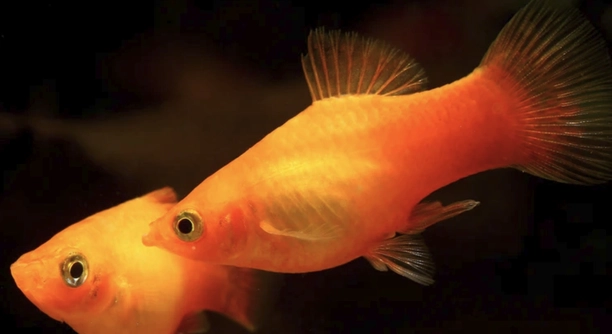
Are your platies swimming alone more often than you’d like, even though they share a tank with other fish?
Platies show more social behavior when they are kept in groups, have proper tank conditions, and receive balanced nutrition. These factors support their natural tendencies and reduce stress, helping them feel comfortable interacting with other fish.
From tank setup to feeding habits, there are several simple changes that can help bring out the friendly side of your platies.
Keeping Platies in Groups
Platies are naturally social fish, and they thrive when kept in small groups. In the wild, they swim in shoals for safety and comfort. When they are alone or with just one other fish, they tend to hide more and show less activity. A group of at least four to six platies helps reduce stress and encourages them to swim together. This also allows them to interact in playful ways, such as following each other and mimicking movements. When they feel secure in a group, they display brighter colors and are more active throughout the day. This social interaction is not just for fun—it also supports their overall well-being. If you’ve noticed your platies being shy or inactive, adding more platies to the tank may be a simple way to improve their behavior and mood. A peaceful community setup can bring out their natural behavior quickly.
A lonely platy may hide often and seem uninterested in its surroundings. This changes when they are part of a group.
By keeping platies in small groups, you give them a sense of security and belonging. They feel more comfortable exploring the tank and interacting with each other. This leads to a more vibrant and active aquarium that’s enjoyable to watch. Group living also reduces the chance of aggression, as their attention is spread out and not focused on just one tankmate. Watching them interact with one another adds a sense of liveliness to your aquarium that is hard to miss. Whether they’re swimming side-by-side or simply hanging out together near the plants, group behavior is a sign that they feel safe. For their mental and physical health, giving platies the right social setting is one of the most important steps you can take.
A Peaceful Environment
A calm tank environment helps platies feel relaxed. Stress-free fish are more open to interacting with others and show more active behavior.
Platies don’t like loud filters, constant vibrations, or harsh lighting. These things can make them anxious and cause them to hide. Choose a gentle filter with low water flow. Add soft lighting and plenty of hiding spots, like plants or decorations. These help create a sense of safety. A quiet environment with calm surroundings makes it easier for platies to feel secure. When they’re not stressed, they’re more likely to swim around, explore the tank, and engage with other fish. Temperature also plays a role—keep the water stable between 72°F and 78°F. Sudden changes can cause stress. When the tank is peaceful and consistent, you’ll notice that your platies become more curious and open to social interaction. Setting up a calm space helps them show their natural behavior and interact more freely.
Providing Hiding Spots
Hiding spots make platies feel safe, especially in busy or shared tanks. When they know they can retreat if needed, they are more likely to swim freely and interact with others in the open.
Use live plants, caves, or decorations to give your platies places to hide. Natural-looking structures like driftwood and leafy plants not only make the tank look nicer but also offer shade and shelter. These areas reduce stress, which helps encourage social behavior. If your tank feels too open, your platies may become skittish or hide often. Adding enough cover gives them the option to rest when they need to and makes them feel less exposed. When they feel safe, they’ll spend more time out in the open, swimming in groups or exploring their surroundings with other fish. That sense of comfort plays a big part in how social they are each day.
A secure tank helps platies stay calm, which directly affects how much they interact. If they’re always exposed, they’re more likely to stay still or swim nervously. But when they have access to sheltered spaces, they can rest, recharge, and return to socializing with ease. This balance of activity and quiet time helps build a more confident fish. You’ll notice more playful swimming, tail-wagging, and even small chases between them—signs they are happy and feeling safe. Keep in mind that each fish may use the hiding spots differently, depending on their mood or rank in the group. Either way, giving them the option to hide when needed supports better group behavior.
Balanced Diet and Regular Feeding
A healthy diet helps platies stay active and alert, which leads to better social interaction. When their nutritional needs are met, they tend to be more playful and less aggressive toward others.
Feed your platies a varied diet that includes flakes, pellets, and occasional live or frozen treats like daphnia or brine shrimp. This gives them the nutrients they need to stay energetic and maintain a strong immune system. Feeding at the same times each day also gives structure to their routine, making them feel more secure. When they’re healthy, they’re more likely to explore the tank, interact with others, and show more confident behavior. Lack of nutrition can lead to lethargy, stress, or even competition over food. A good feeding schedule can help reduce that tension. You’ll often see them swimming together, following each other closely around feeding time—this shared activity supports natural group behavior.
Platies are opportunistic eaters, and a predictable feeding routine can help reduce food-related stress. If they know food will be available at certain times, they’re less likely to compete aggressively. Consistent feeding also builds trust. You may notice they start greeting you when it’s time to eat, swimming near the surface or waiting by the glass. This daily routine encourages them to interact with each other as they gather for food, often leading to small group feeding behavior. Over time, this helps them build familiarity and comfort with one another. A balanced diet doesn’t just support health—it plays a role in how they connect with their tankmates each day.
Consistent Water Quality
Stable water conditions help platies feel calm and secure. When the water is clean and well-balanced, they’re more likely to stay active and interact with others. Sudden changes in temperature or chemistry can make them withdrawn or stressed.
Use a reliable water test kit and perform partial water changes weekly. This keeps harmful toxins low and gives your platies the clean environment they need to stay healthy. Good water quality supports both their physical health and their social behavior in the tank.
Compatible Tankmates
Platies are peaceful fish and do best with other calm species. Avoid pairing them with aggressive or overly active fish that may cause stress or chase them.
Choose tankmates like mollies, guppies, or cory catfish. These fish are non-aggressive and can coexist peacefully. A calm tank atmosphere encourages platies to explore and socialize more. When they don’t feel threatened, they tend to swim in the open, interact with each other, and show their natural group behavior without hesitation.
Enough Space to Swim
Platies need room to swim comfortably. A crowded tank can lead to stress and limit their social behavior. More space allows for natural movement and relaxed interaction.
FAQ
How many platies should I keep together for good social behavior?
Keeping at least four to six platies together encourages natural group behavior. Smaller numbers can cause them to be shy or less active. A group size like this reduces stress and helps them interact more freely.
Can platies live with other fish species without issues?
Yes, platies do well with peaceful tankmates such as guppies, mollies, and cory catfish. Avoid aggressive or territorial fish, as they can stress platies and reduce social behavior. Calm community tanks allow platies to feel safe and more social.
What kind of hiding spots do platies prefer?
Platies like dense plants, caves, or decorations where they can retreat. Live plants like java fern or anubias provide good shelter. Driftwood and smooth rocks can also serve as hiding places. These spots help reduce stress and encourage social activity.
How often should I feed my platies?
Feeding twice a day with small portions is ideal. Overfeeding can pollute the tank, causing stress. A varied diet with flakes, pellets, and occasional live or frozen foods keeps them healthy and active, supporting social behavior.
What water parameters are best for platies?
Platies thrive in temperatures between 72°F and 78°F and a pH range of 7.0 to 8.3. Keep ammonia and nitrites at zero, and nitrates below 20 ppm. Stable water conditions reduce stress and help maintain their social nature.
Why do platies sometimes hide and not interact?
Hiding can be a sign of stress, poor water quality, or lack of hiding spots. It can also happen if tankmates are aggressive or the tank is overcrowded. Improving tank conditions and providing shelter helps platies feel secure and more social.
Can changing the tank setup improve platy behavior?
Yes, adding plants, decorations, or rearranging the tank can reduce stress and encourage exploration. Familiar environments with enough hiding spots make platies feel safe, increasing their willingness to interact.
How important is water movement for platies?
Platies prefer gentle water flow. Strong currents can stress them and reduce social behavior. Use filters with adjustable flow to keep water movement calm and comfortable for your fish.
Is lighting important for social behavior?
Yes, moderate lighting helps platies feel natural and active. Too bright or constant light can cause stress, while too dim light may reduce activity. A balanced light schedule supports their daily rhythms and social interactions.
How can I tell if my platies are happy and social?
Active swimming, following each other, bright colors, and occasional playful chasing are good signs. If platies explore the tank openly and don’t hide often, it means they feel secure and social. Consistent healthy behavior reflects well on their environment.
Final Thoughts
Platies are social fish that do best when their basic needs are met. Providing a group of at least four to six fish helps them feel secure and encourages natural social behavior. When they have company, platies are more active, curious, and colorful. It’s important to keep their environment calm and stress-free to support these positive behaviors. Clean water, gentle water flow, and stable temperatures all play a role in keeping platies comfortable and healthy. A peaceful tank with good water quality helps them swim openly and interact more with each other.
Hiding spots are also important for platies to feel safe. Plants, caves, and decorations give them places to rest and avoid stress. When platies know they can retreat, they are more likely to explore and play in the open areas of the tank. This balance between hiding and socializing is natural for them. A tank with plenty of space and hiding options helps reduce aggression and anxiety. It also encourages platies to be confident and engage in group behaviors like following one another and swimming together.
Feeding is another key factor in encouraging social behavior. A balanced diet with variety keeps platies healthy and energetic. Feeding them at regular times creates a routine that makes them feel secure. When they are well-fed, platies show more playful and active behavior. Choosing peaceful tankmates helps too, as platies prefer calm companions that won’t stress or chase them. All these factors work together to create an environment where platies can thrive socially. Taking these steps ensures your platies live a happy and engaging life in your aquarium.

Hello,
If you enjoy the content that we create, please consider saying a "Thank You!" by leaving a tip.
Every little bit helps us continue crafting quality advice that supports the health, happiness, and well-being of pets around the world, for pets of all shapes, sizes, and species.
We really appreciate the kindness and support that you show us!