
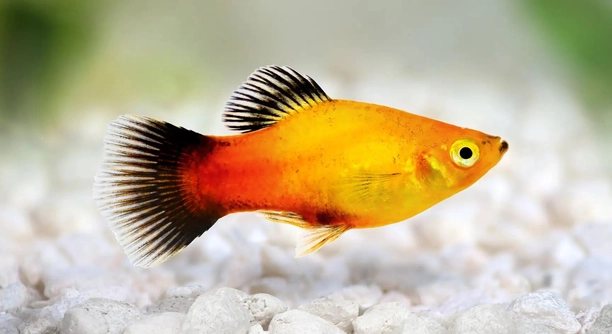
Platies are small, colorful fish that many people enjoy keeping in home aquariums. They often bring life and movement to a tank with their gentle swimming. Watching how they react to their surroundings can be quite interesting.
Platies do respond to outside movement, showing signs of awareness and caution. These fish detect changes through their senses and may swim away or hide when they notice sudden or unfamiliar motion near their tank. Their reactions are natural survival behaviors.
Knowing how platies react to outside movement helps aquarium owners create a calm environment for their fish. This understanding can improve both the fish’s comfort and the overall aquarium experience.
How Platies Sense Movement Around Them
Platies have keen senses that help them detect changes in their environment. Their eyes can notice quick movements outside the tank, like a hand moving nearby or shadows shifting. Additionally, they use their lateral line—a special organ along their sides—to feel vibrations in the water. This helps them sense movement even if they cannot see it directly. When platies notice something unfamiliar or sudden, they may react by swimming away or hiding behind plants and decorations. This is a natural way to stay safe from potential threats. Keeping the tank in a quiet, low-traffic area can reduce stress for your platies. Bright lights or sudden movements nearby can make them nervous. Observing their reactions over time can help you understand their comfort levels and adjust the environment to make them feel secure.
Platies’ sensitivity to outside motion is part of their survival instinct. They use their senses to stay alert and safe in their home.
To keep platies comfortable, it’s helpful to limit sudden movements near the tank. Avoid tapping the glass or standing too close for long periods. Providing hiding spots with plants and decorations can give platies safe places to retreat. When the environment is calm and stable, platies feel less stressed and behave more naturally. Watching their reactions can also be a rewarding way to bond with your fish without causing them discomfort. Creating a peaceful aquarium space benefits both you and your platies, making it easier to enjoy their lively presence every day.
Signs That Platies Are Reacting to Movement
Platies will often show clear signs when they notice movement outside their tank. They might freeze in place, swim quickly to a hiding spot, or even become more alert and swim near the surface. Some platies may swim away from the glass or stay close to plants for cover.
These reactions indicate that platies are aware of what is happening around them and respond accordingly to stay safe. Noticing these signs helps owners understand how sensitive their fish can be, and it encourages gentle interaction near the aquarium to keep the fish comfortable and stress-free.
How Movement Affects Platies’ Behavior
Movement near the tank can make platies more cautious. They may slow their swimming or hide more often. This reaction helps them avoid potential threats.
When platies detect movement, their first instinct is to assess if there is danger. If the motion is sudden or frequent, they might become stressed, which can affect their health over time. Stress can cause platies to lose appetite or hide excessively. On the other hand, gentle, calm movements outside the tank usually cause less disturbance. It is important to approach the aquarium quietly and avoid tapping the glass to keep your fish feeling safe and relaxed.
Repeated exposure to strong or rapid movements may make platies more skittish. This can reduce their natural activity and make them less visible. Providing plenty of plants and hiding places helps them feel secure. Over time, they may become more comfortable if movement outside the tank is minimal and calm. Creating a stable environment is key for healthy and happy platies.
Tips for Reducing Stress From Outside Movement
Keeping movement around the tank slow and steady is best for platies. This reduces their stress and helps them stay calm.
Limiting sudden motions and loud noises near the aquarium is important. Positioning the tank away from busy areas or direct sunlight can also help. Adding plants or decorations gives platies places to hide when they feel nervous. You can also avoid tapping the glass or hovering too long near the tank. These small changes create a peaceful space that encourages natural behavior and helps your platies thrive.
Common Reactions to People Moving Near the Tank
Platies often react quickly when someone moves close to their tank. They may dart away or freeze in place.
Some platies become curious and swim closer to observe, while others retreat to hiding spots. Their reaction depends on how familiar they are with the movement.
Why Some Platies Are More Sensitive Than Others
Sensitivity to outside movement varies between individual platies. Factors like age, personality, and past experiences affect how they respond. Younger or newly introduced platies may be more nervous and jumpy. Older fish tend to be calmer as they get used to their environment. Fish kept in noisy or busy homes might stay more alert compared to those in quiet spaces. Understanding these differences helps owners provide better care by adjusting the tank environment to each fish’s needs. Over time, gentle exposure to movement can help some platies feel safer and more relaxed.
Creating a Safe Space for Your Platies
Adding plants and decorations helps platies feel protected from sudden movements and reduces stress.
FAQ
Can platies see outside the tank clearly?
Platies have good eyesight but their view is limited by the tank glass and water clarity. They can detect movement and shapes outside the tank, especially nearby objects or people. However, they do not see details clearly like humans do. Their vision helps them stay alert to changes around their environment.
Do platies get stressed from too much outside movement?
Yes, frequent or sudden movements near the tank can stress platies. Stress can lead to hiding, loss of appetite, and weakened immune systems. It’s best to keep activity around the aquarium calm and avoid tapping the glass or making sudden gestures to minimize stress.
How can I tell if my platies are stressed from outside movement?
Signs of stress include hiding more often, swimming erratically, or refusing food. Platies might also lose color or become less active. Observing their behavior closely helps identify if outside movement is causing discomfort so you can make changes to their environment.
Is it normal for platies to hide when I walk by the tank?
Yes, hiding is a natural reaction to perceived threats. Platies may hide if they are unsure about movement or noises outside the tank. Providing plenty of hiding spots with plants or decorations gives them a safe place to retreat and feel secure.
Can platies get used to movement outside the tank over time?
Yes, platies can gradually become more comfortable with regular, gentle movement near their tank. Consistent calm behavior around the aquarium helps them adjust. Avoid sudden motions or loud noises during this process to reduce stress and encourage trust.
Does lighting affect how platies react to outside movement?
Bright or flashing lights can increase platies’ sensitivity to outside movement, making them more reactive. Soft, steady lighting is better for keeping them calm. Position the tank to avoid direct sunlight or harsh artificial light that could startle them.
Are younger platies more reactive to outside movement?
Younger platies tend to be more skittish and reactive because they are still learning about their environment. They may hide or swim away faster than older fish. As they grow and become familiar with their surroundings, they usually become calmer.
How can I reduce platies’ stress from people moving near the tank?
Limit how close people get to the tank and reduce sudden motions nearby. Place the aquarium in a quiet area with low foot traffic. Adding plants and decorations offers hiding places. Also, approach the tank calmly and avoid tapping the glass to help keep your platies relaxed.
Do platies react differently to movement depending on the time of day?
Yes, platies may be less active or more cautious during certain times. In the early morning or late evening, they tend to be calmer and may react less to outside movement. Bright daytime light and increased activity around the tank can make them more alert and responsive.
Can water quality impact how sensitive platies are to outside movement?
Poor water quality stresses platies, which can make them more sensitive to outside disturbances. Keeping water clean and stable improves their health and reduces overall stress. A healthy environment helps them handle outside movement better without becoming overly reactive.
Platies are small fish that can react to movement outside their tank in many ways. They use their eyes and special sensors to notice changes around them. When they see sudden motion or shadows, they might swim away or hide. This is a natural way for them to stay safe. Understanding how platies respond to outside movement helps aquarium owners take better care of their fish. It also makes the tank a calmer and more enjoyable place for everyone.
Keeping the environment around the tank peaceful is very important. Sudden or frequent movements, loud noises, or tapping on the glass can stress platies. Stress can make fish less healthy and less active. Simple steps like moving slowly near the tank, limiting loud sounds, and adding plants for hiding spots help reduce stress. Over time, platies can get used to gentle movement and feel more secure in their home. Watching their behavior closely will give clues about what makes them comfortable or nervous.
Creating a calm space for platies takes attention and care. By placing the tank in a quiet spot and avoiding too much outside disturbance, owners can help their fish live happily. Good water quality and a well-decorated tank also play big roles in their well-being. When platies feel safe, they show more natural behaviors and become a joy to watch. Taking the time to understand how they react to outside movement can make all the difference for a peaceful aquarium.

Hello,
If you enjoy the content that we create, please consider saying a "Thank You!" by leaving a tip.
Every little bit helps us continue crafting quality advice that supports the health, happiness, and well-being of pets around the world, for pets of all shapes, sizes, and species.
We really appreciate the kindness and support that you show us!