
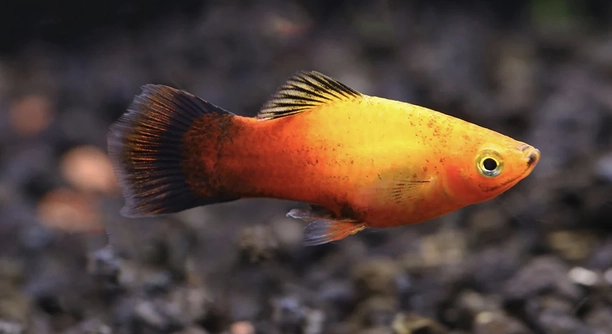
Platies are small, colorful fish that many people enjoy keeping in home aquariums. These lively swimmers often choose specific spots in their tanks to rest and feel safe. Floating plants are one of the favored places where platies like to pause and relax.
Platies rest under floating plants mainly because these plants provide shade, shelter, and protection from strong light and predators. The plants create a calm environment that reduces stress and mimics the platies’ natural habitat, encouraging them to rest comfortably beneath the cover.
Knowing why platies prefer these spots helps aquarium owners create a healthier and more comfortable environment for their fish. This insight can improve the overall well-being of platies in home tanks.
Why Floating Plants Attract Platies
Floating plants create an inviting space in an aquarium. Their leaves rest on the water’s surface, casting shadows below. Platies naturally seek shaded areas to feel safe. The shade helps reduce the bright light from aquarium lamps, which can sometimes stress fish. Additionally, these plants offer places to hide when platies feel nervous or want to avoid more active fish. Floating plants also improve water quality by absorbing excess nutrients. This cleaner environment benefits platies, making these spots even more attractive. The gentle movement of leaves in the water also mimics natural conditions, making platies feel more at home. This combination of shelter, shade, and cleaner water explains why platies prefer to rest beneath floating plants in tanks.
Platies also use floating plants as a place to rest because it feels secure and calming to them.
These plants provide essential benefits beyond shelter. Floating plants reduce surface agitation, which lowers water stress. They create a cooler microhabitat, as sunlight warms less of the water beneath. This temperature difference is comfortable for platies, especially in warmer tanks. The roots hanging down offer tiny hiding spots for fry and shy fish. Floating plants also contribute to oxygen levels during the day, improving overall tank health. Their presence reduces algae growth by blocking some sunlight, helping keep the tank balanced. All these factors combine to make floating plants a perfect resting place for platies, ensuring they stay healthy and relaxed.
How to Use Floating Plants in Your Aquarium
Floating plants are easy to add to most tanks. They require minimal care and help improve tank conditions quickly.
Choosing the right floating plants is important for your platies’ comfort and health. Some popular types include duckweed, water lettuce, and frogbit. Each has different leaf sizes and root systems, so consider what fits your tank best. Be careful not to overcrowd the surface, as too many plants can block all light and reduce oxygen at night. A balanced amount provides enough shade without harming tank circulation. Regular trimming keeps plants healthy and prevents decay, which could pollute the water. Floating plants also work well with other live plants, helping create a natural and inviting environment. By including these plants, you support your platies’ resting habits and promote a stable aquarium ecosystem.
Benefits of Shade for Platies
Shade helps platies feel safe and calm in their environment. It reduces stress caused by bright lights or sudden movements in the tank. The soft lighting under floating plants creates a peaceful resting spot that encourages natural behavior.
The shade from floating plants helps regulate platies’ activity levels. Too much light can tire them out or make them anxious, so shaded areas offer a quiet retreat. These spots also protect platies from more aggressive tank mates. When platies rest under shade, they can recover energy and stay healthier. This shaded environment also encourages breeding behavior, as platies feel more secure to interact and spawn when they have places to hide.
Floating plants’ shade also helps control algae growth by limiting sunlight reaching the water. Less algae means better water quality and fewer health risks for platies. This balance supports their long-term well-being, making shaded areas essential for a thriving aquarium.
Floating Plants and Water Quality
Floating plants help keep water clean by absorbing excess nutrients like nitrates and phosphates. This process limits algae growth, which can harm platies if left unchecked.
Maintaining good water quality is important for platies’ health. Floating plants act as natural filters by taking up nutrients that otherwise feed algae blooms. By reducing algae, the water stays clearer and oxygen levels remain balanced. This cleaner environment prevents common fish diseases linked to poor water conditions. Floating plants also release oxygen during the day, supporting the tank’s ecosystem. Keeping floating plants healthy and trimmed ensures they continue improving water quality, which directly benefits the platies’ comfort and lifespan.
How Floating Plants Provide Shelter
Floating plants create hiding places that make platies feel protected. The leaves and roots form natural barriers against predators and other aggressive fish in the tank. This shelter helps reduce platies’ anxiety and encourages natural behavior.
Shelter also gives platies a sense of security when resting. They use these covered spots to avoid disturbances and to feel calm throughout the day.
Impact on Platies’ Breeding Behavior
Floating plants support platies’ breeding by offering safe spots for fry and adults. The dense roots provide protection for tiny babies, increasing their survival chances. Platies are more likely to spawn when they feel secure and have places to hide their young.
Maintaining Floating Plants for Platies
Regular care of floating plants ensures they stay healthy and beneficial for platies. Trimming dead leaves and preventing overgrowth keeps the tank balanced and comfortable for the fish.
FAQ
Why do platies prefer resting under floating plants?
Platies naturally seek shaded and sheltered areas to feel safe. Floating plants provide both shade from bright light and hiding spots from other fish or perceived threats. This creates a calm environment where platies can rest without stress, mimicking their natural habitat in the wild.
Can floating plants improve water quality in a platy tank?
Yes, floating plants help absorb excess nutrients like nitrates and phosphates from the water. This reduces algae growth and keeps the water clearer and healthier. They also release oxygen during the day, which supports a balanced and stable aquarium environment for platies.
Are all floating plants good for platies?
Not all floating plants are the same, but many common ones like duckweed, frogbit, and water lettuce work well. It’s important to choose plants that don’t grow too dense and block too much light or reduce water circulation. Keeping a balance helps maintain a healthy tank.
How often should I trim floating plants in my aquarium?
Trimming floating plants regularly is important to prevent overcrowding. If plants cover too much of the water surface, they can block light and lower oxygen levels at night. Trimming every one to two weeks helps maintain good light penetration and water flow.
Do floating plants affect the temperature of the aquarium?
Yes, floating plants can help moderate tank temperature by shading the water surface. This reduces direct heat from lights or sunlight, keeping the water slightly cooler and more comfortable for platies, especially in warmer environments.
Can floating plants prevent algae growth?
Floating plants block sunlight from reaching deeper into the water, which limits algae’s ability to grow. By absorbing nutrients algae need to thrive, floating plants naturally help control algae levels and keep the tank cleaner.
Do platies use floating plants for breeding?
Platies do benefit from floating plants during breeding. The roots provide safe hiding places for fry, protecting them from being eaten. A tank with floating plants often encourages more natural breeding behavior by offering security to both adults and babies.
Are floating plants difficult to care for?
Most floating plants are easy to care for and require minimal maintenance. They do best in moderate light and need occasional trimming to prevent overgrowth. Regular water changes and balanced feeding help keep these plants healthy in your aquarium.
Can floating plants harm platies?
Floating plants generally do not harm platies. However, if plants overgrow and reduce oxygen levels or block light completely, they can stress fish. Proper care and trimming prevent these problems, ensuring floating plants remain a benefit rather than a risk.
How do I introduce floating plants to a new tank?
Introduce floating plants slowly, allowing them to adjust to water conditions. Rinse plants to remove pests or debris before adding them. Start with a small amount and observe how they grow and affect the tank’s light and circulation before adding more.
What if my floating plants die or decay?
Dead or decaying floating plants can pollute the water and harm platies. Remove any dead leaves or plants promptly. Regular trimming and monitoring water quality help prevent decay and maintain a healthy environment.
Can floating plants survive in low-light aquariums?
Some floating plants tolerate low light better than others, but most prefer moderate light. If your tank is very dim, choose hardy species like duckweed. However, insufficient light can slow plant growth and reduce their benefits.
Is it okay to mix floating plants with other types of plants?
Yes, mixing floating plants with rooted or submerged plants creates a balanced environment. Floating plants provide shade and shelter, while other plants contribute to oxygen and habitat diversity. This combination supports platies’ health and comfort.
How do floating plants affect aquarium cleaning?
Floating plants can make cleaning a little trickier by covering the water surface and roots hanging down. It’s important to gently move plants during water changes and clean underneath them to avoid buildup of debris and maintain water quality.
What are some signs that platies like resting under floating plants?
You might notice platies frequently staying near or beneath floating plants during the day. They may swim slowly or hover quietly in shaded areas. This behavior shows they find comfort and safety under the plants’ cover.
Can too many floating plants be harmful?
Yes, too many floating plants can block all light and reduce oxygen levels, especially at night. This can stress platies and affect water quality. It’s best to maintain a balance and trim plants regularly to keep the tank healthy.
How do floating plants help with tank maintenance?
Floating plants naturally absorb excess nutrients and reduce algae growth, lessening how often you need to clean. Their shade slows algae development and helps maintain clearer water, supporting a more stable tank environment for platies.
Do platies rest under floating plants only during the day?
Platies mainly use floating plants for resting during daylight when light and activity levels are higher. At night, they may spread out more in the tank. The shade and shelter are most important for reducing stress in brighter conditions.
Are floating plants safe for other fish in a community tank?
Floating plants are generally safe and beneficial in community tanks. They provide shelter for many species and help improve water quality. However, some fish might nibble on the plants or disturb roots, so monitor interactions to ensure harmony.
What should I do if floating plants start to cover the entire tank surface?
If floating plants cover the whole surface, trim or remove some to allow light and air exchange. Overcrowding can harm fish and plants by reducing oxygen and blocking essential light. Regular trimming keeps the balance healthy.
Can floating plants help reduce stress in platies?
Yes, the shade and shelter from floating plants reduce stress by providing a safe, calm place to rest. This helps platies feel secure and lowers their chances of developing stress-related health issues.
Floating plants play an important role in creating a comfortable and healthy environment for platies in home aquariums. These plants offer shade and shelter, which helps platies feel safe and relaxed. Because platies are naturally drawn to places where they can hide and rest, floating plants meet these needs well. The soft cover and roots hanging down create calm spaces that reduce stress and encourage natural behaviors. Having floating plants in a tank is not just about decoration; it supports the fish’s well-being in many ways.
Besides providing shade and shelter, floating plants also help improve water quality in the aquarium. They absorb extra nutrients that might otherwise feed algae, helping to keep algae growth under control. Floating plants also release oxygen during daylight hours, which is important for maintaining a balanced tank environment. This cleaner water means fewer health risks for platies, allowing them to live longer and stay more active. Regular care of floating plants, such as trimming and preventing overgrowth, ensures that they continue to benefit the tank without causing problems.
In short, adding floating plants to a platy aquarium is a simple but effective way to support the health and comfort of these fish. Their presence encourages natural resting behavior by providing shade and protection. They also contribute to a stable tank by improving water quality and reducing algae. Taking care of floating plants with proper trimming and monitoring will keep both the plants and the platies thriving. For anyone keeping platies, floating plants are a valuable addition that helps create a peaceful and balanced home for these colorful fish.

Hello,
If you enjoy the content that we create, please consider saying a "Thank You!" by leaving a tip.
Every little bit helps us continue crafting quality advice that supports the health, happiness, and well-being of pets around the world, for pets of all shapes, sizes, and species.
We really appreciate the kindness and support that you show us!