
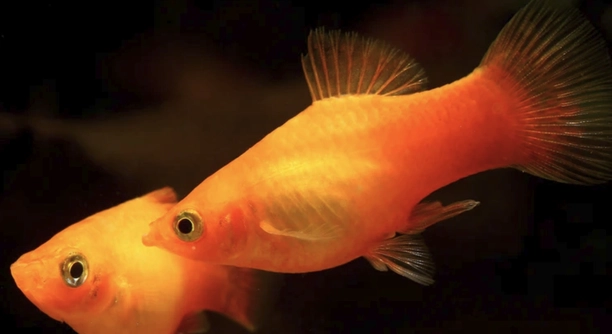
Platies are popular freshwater fish known for their bright colors and peaceful nature. When introducing new tank mates, some platies may seem uninterested or distant. This behavior can be confusing for many aquarium enthusiasts.
Platies often ignore new tank mates due to territorial instincts, stress from change, or simply needing time to adjust. These fish prefer stable environments and may avoid interaction until they feel safe and comfortable.
Recognizing why your platy behaves this way can improve tank harmony. Understanding their needs helps create a peaceful community aquarium where all fish thrive.
Reasons Platies Ignore New Tank Mates
When a new fish enters the tank, platies can feel unsettled. These fish like predictable surroundings and familiar companions. Introducing unfamiliar fish can cause stress, making platies retreat or avoid interaction. Territorial behavior also plays a role; platies may see new tank mates as intruders and keep their distance. Additionally, differences in size or activity levels can affect their response. If the new fish is very active or aggressive, platies might hide to stay safe. Water conditions also matter—changes in temperature or chemistry can increase stress, affecting their behavior. Time is essential for platies to feel comfortable with new additions. Gradual introductions and providing plenty of hiding spots can help ease tension. Observing your fish closely during this period will give you clues about their comfort level and when they might start engaging with their tank mates again.
The adjustment period varies but usually takes a few days to weeks, depending on the platy’s temperament and tank conditions.
A calm environment and steady routine help platies build confidence. Feeding them consistently and ensuring the tank is not overcrowded can reduce stress. Providing plants or decorations gives them places to hide and feel secure. Over time, platies usually become more sociable with new tank mates, especially if the newcomers are peaceful and similar in size. Watching for changes in behavior will show when they begin to accept the new fish. Patience and careful tank management play key roles in helping platies adapt without conflict.
How to Help Your Platy Adjust
Using slow and careful introduction methods is important when adding fish. Avoid sudden changes that overwhelm your platy.
Quarantine new fish before adding them to the main tank to prevent disease and reduce stress. Introduce new fish in a separate container inside the tank so platies can see them without direct contact. This helps platies get used to new neighbors gradually. Keep the environment stable by maintaining clean water and proper temperature. Avoid overcrowding the tank to reduce competition and stress. Feeding all fish well ensures they have enough energy to cope with changes. Creating plenty of hiding places with plants or decorations gives platies space to retreat if they feel threatened. This setup supports a peaceful and balanced community tank. Consistent care and observation will help your platy accept new tank mates over time, leading to a healthier, happier aquarium.
Signs Your Platy Is Stressed
Stress in platies can cause them to hide more often or swim erratically. They may lose interest in food and show dull colors. These behaviors signal discomfort and the need for changes in their environment.
Stress can come from sudden changes like water quality shifts, overcrowding, or aggressive tank mates. Platies under stress might also stay near the bottom or corners of the tank. It’s important to monitor these signs early because prolonged stress weakens their immune system. Addressing these issues quickly helps platies recover and feel safe again. Simple fixes such as improving water conditions and reducing noise or disturbances can make a big difference.
Providing a calm environment with stable water parameters encourages platies to regain their normal behavior. Adding plants and hiding spots offers security, reducing stress. Regular tank maintenance and feeding schedules help maintain stability. Over time, a peaceful setup will allow platies to relax and interact more with new tank mates.
The Role of Tank Environment
Tank size and setup greatly affect how platies behave around new fish. Small tanks with limited hiding places can increase tension and stress, causing platies to avoid newcomers. A well-planted tank with plenty of decorations gives them space to explore without feeling threatened. This reduces conflict and helps all fish coexist peacefully.
Maintaining clean water and consistent temperature is crucial for platy health. Poor water quality can make platies lethargic or aggressive, increasing chances of ignoring or attacking new tank mates. Proper filtration and regular water changes keep the environment stable. Ensuring enough space prevents overcrowding and reduces stress levels. When platies have a comfortable home, they adapt better to changes, including new tank mates. Balancing the environment with the right conditions supports their natural behavior and social interactions.
Understanding Platy Social Behavior
Platies are naturally peaceful fish but can be shy around unfamiliar tank mates. They usually prefer small groups where they feel safe and secure. Social stress happens when too many new fish are added at once.
Introducing one or two new fish at a time helps platies adjust more comfortably. They observe and learn to recognize new companions gradually, which reduces stress and promotes harmony in the tank.
Feeding and Its Effect on Interaction
Platies may ignore new tank mates when food is scarce or competition is high. Ensuring everyone gets enough to eat prevents aggression and promotes social interaction. Feeding small amounts frequently helps keep platies active and less stressed.
Impact of Lighting on Behavior
Strong or harsh lighting can make platies feel exposed and nervous. Dimmer, natural lighting encourages calm behavior and allows platies to explore the tank confidently. Adjusting the light can improve their social interactions with new fish.
FAQ
Why does my platy ignore new tank mates even after weeks?
Platies can take time to adjust, especially if the new fish have different temperaments or sizes. Stress from sudden changes or a lack of hiding spaces can delay their acceptance. Patience and a stable environment are key. Gradually, platies usually become more comfortable once they feel safe.
How long does it take for platies to accept new tank mates?
The adjustment period varies, but typically platies begin interacting within one to three weeks. This depends on tank conditions, personality of the fish, and how new fish are introduced. Ensuring gentle introductions and good water quality speeds up the process.
Can stress cause platies to refuse food?
Yes, stress is a common reason for loss of appetite. Changes in environment, aggressive tank mates, or poor water quality can cause this. Addressing these issues and offering favorite foods in calm settings usually helps platies regain their appetite quickly.
What are the best tank mates for platies?
Platies do well with peaceful, similarly sized fish such as guppies, mollies, and tetras. Avoid aggressive or very large fish that might intimidate them. Compatible tank mates reduce stress and encourage social behavior.
Should I quarantine new fish before adding them?
Quarantining is important to prevent diseases and help platies adjust gradually to new neighbors. Keeping new fish separate for 1-2 weeks allows monitoring of health and reduces sudden changes in the main tank’s environment.
How can I make my tank more comfortable for platies?
Provide plenty of plants and hiding spots so platies feel secure. Maintain stable water temperature and clean water with regular changes. Avoid overcrowding and loud noises around the tank to reduce stress and encourage natural behavior.
Does water temperature affect platy behavior?
Yes, platies prefer temperatures between 72°F and 78°F (22°C to 26°C). Water outside this range can cause stress, making them less active or more withdrawn. Using a reliable heater and thermometer helps keep conditions stable.
Why do platies hide when new fish are introduced?
Hiding is a natural response to feeling threatened or stressed. New fish can seem unfamiliar or aggressive, causing platies to seek refuge. Over time, as they grow more comfortable, hiding decreases and interaction improves.
Can poor water quality cause platies to ignore tank mates?
Poor water quality weakens platies and increases stress. This can cause them to be less active or avoid others. Regular testing and water changes are necessary to maintain a healthy environment where platies feel comfortable.
Is it normal for platies to be shy in a new tank?
Yes, platies often need time to settle in new surroundings. Shyness decreases as they explore and get used to the environment. Providing a calm setting with enough cover helps them become more confident and social.
Platies are gentle and colorful fish that bring life to any freshwater aquarium. When new tank mates are added, it’s normal for platies to act shy or ignore them at first. This behavior usually comes from stress or the need to feel safe in their environment. Changes in their surroundings, such as different water conditions, new fish, or fewer hiding spots, can make platies pull back and observe quietly. Understanding these reasons helps in creating a peaceful tank where all fish can live comfortably.
Creating a stable and welcoming environment is important for platies to adjust well. Providing plenty of plants and decorations offers places for them to hide and feel secure. Keeping the water clean and the temperature steady reduces stress and supports their health. Introducing new fish slowly and carefully also helps platies get used to newcomers without feeling overwhelmed. Over time, they usually become more curious and start interacting with other fish when they feel comfortable. Watching their behavior closely lets you know when they are ready to socialize.
Patience plays a big role in helping platies settle with new tank mates. Every fish has its own pace for adjusting to changes. Some platies may take only a few days, while others need weeks to feel at ease. It’s important not to rush the process or overcrowd the tank, as this can cause more stress. Instead, focus on keeping the tank environment calm and stable. With the right care and attention, your platies will grow more confident and enjoy their home alongside their new companions.

Hello,
If you enjoy the content that we create, please consider saying a "Thank You!" by leaving a tip.
Every little bit helps us continue crafting quality advice that supports the health, happiness, and well-being of pets around the world, for pets of all shapes, sizes, and species.
We really appreciate the kindness and support that you show us!