
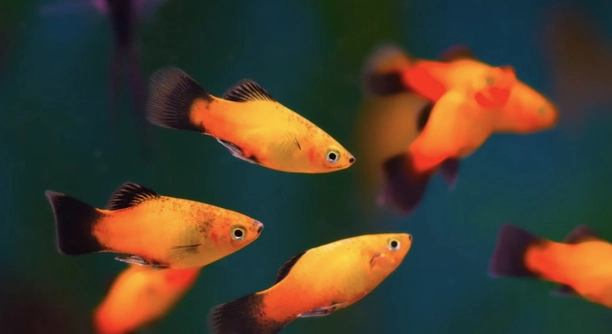
Platies are popular freshwater fish known for their vibrant colors and peaceful nature. Observing them closely, you might notice they often swim in tight, circling groups. This behavior can be both fascinating and puzzling for fish enthusiasts and hobbyists alike.
Platies circle in tight groups primarily as a natural social behavior for safety and communication. Grouping helps reduce individual risk from predators and facilitates interaction among the fish, promoting a sense of security within their environment.
Understanding why platies exhibit this behavior can improve how you care for them and create a better habitat. The following details will help explain the reasons behind their group circling.
Why Platies Circle in Tight Groups
Platies naturally form tight groups as a way to feel safe and secure. In the wild, staying close helps protect them from predators by making it harder to be singled out. This behavior carries over to home aquariums, where the fish feel more comfortable when swimming near others. Circling in groups also helps platies communicate with each other through body language and subtle movements. It can indicate social hierarchy or readiness to mate. When platies are alone or stressed, they may stop grouping and act differently. This natural instinct shows how much they rely on social bonds to thrive. Keeping platies in groups of at least three or more encourages this behavior and supports their well-being in captivity.
Circling groups reduce stress by creating a secure environment where platies feel less vulnerable to threats.
Maintaining proper tank conditions helps encourage natural behaviors like group circling. Clean water, proper temperature, and enough space contribute to healthy interactions. When platies have room to swim freely, their group formations appear more natural. Overcrowding or poor water quality can cause them to hide or behave erratically instead of swimming in groups. Adding plants and decorations also creates hiding spots and reduces stress. Observing these behaviors can be rewarding because it reflects a balanced and comfortable habitat. Paying attention to their social needs allows for a more lively and engaging aquarium experience.
Social Behavior and Communication
Platies use tight circling as a form of nonverbal communication within their groups. This behavior helps establish social order and signals intentions, such as mating readiness or territorial boundaries. Understanding these patterns helps in recognizing healthy social interactions among your fish.
Platies’ group swimming also plays a role in breeding, as it allows males to display to females while maintaining group cohesion.
Circling tight groups function as a dynamic social network where platies share information through movement and positioning. This communication style reduces aggression by reinforcing social hierarchy and helps prevent conflicts. Males often use circling to show dominance or court females, who respond with specific swimming patterns. This social structure supports healthy reproduction and stable group dynamics. In an aquarium setting, observing these interactions can indicate the overall mood and health of the tank. Stress, illness, or poor conditions may disrupt group behavior, making it a useful indicator for care adjustments. Providing space and a peaceful environment supports these natural social cues and helps platies thrive together.
Group Safety and Predation
Platies swim in groups mainly to reduce the risk of being targeted by predators. Tight formations confuse threats and make it harder for predators to focus on one fish. This instinctive defense improves their chances of survival in both natural and aquarium environments.
In a tank, even without natural predators, platies retain this behavior because it helps them feel protected. Group swimming lowers stress and promotes calmness. When fish feel safe, they are more active and display natural colors and behaviors. This sense of security is important for their overall health. Observing platies in groups can be reassuring, showing they are comfortable and thriving.
When stressed or isolated, platies may stop grouping, which signals discomfort or poor conditions. Ensuring they have companions helps maintain their social structure and reduces chances of illness caused by stress. Group safety is a fundamental part of their behavior that should be supported in any home aquarium.
Environmental Factors Influencing Grouping
Tank size, decoration, and water quality greatly affect how tightly platies swim together. Smaller tanks may force closer groups due to limited space, while larger tanks allow more relaxed swimming patterns. The presence of plants and hiding spots also encourages grouping by offering places to gather and feel secure.
Water temperature and cleanliness influence platies’ comfort and activity levels. Optimal water conditions promote natural social behaviors, including tight circling. Poor water quality or sudden changes can cause stress, making fish hide or act erratically instead of swimming in groups. Regular maintenance and monitoring are essential for healthy group dynamics.
Lighting also plays a role; soft, consistent lighting creates a calm environment that supports social interaction. Bright or fluctuating lights may cause agitation and disrupt group swimming. Understanding these environmental factors helps create the best conditions for platies to exhibit their natural, group-oriented behavior.
Group Size and Dynamics
Platies naturally prefer groups of at least three to five fish. Smaller groups may cause stress and reduce their tendency to circle tightly. Larger groups tend to create more stable social interactions and less aggression.
A well-balanced group helps platies feel secure and maintain natural behavior. Avoid overcrowding, which can lead to stress and territorial disputes.
Breeding Behavior and Grouping
During breeding, male platies often swim in tight circles around females to display their interest. This circling is part of courtship and helps males assert dominance while females decide on mating. Group dynamics shift as males compete and females respond, maintaining a lively social balance.
Stress Indicators in Group Swimming
When platies stop circling or isolate themselves, it may signal stress or illness. Observing changes in group behavior helps detect problems early.
FAQ
Why do platies circle in tight groups?
Platies circle tightly as a natural social behavior for safety and communication. Grouping makes it harder for predators to single out one fish and helps platies feel secure. This behavior also allows them to communicate through body language, establishing social bonds and hierarchy within the group.
Is it normal for platies to swim in circles constantly?
Yes, it is common for platies to swim in circles, especially when they feel comfortable and safe. Circling is part of their social behavior and communication. However, if the circling becomes frantic or they show signs of distress, it may indicate stress or poor tank conditions.
How many platies should I keep together?
Platies do best in groups of at least three to five fish. Smaller groups can cause stress and reduce natural behaviors like group circling. Larger groups generally create a more stable social environment and reduce aggressive behavior, helping them feel safe and comfortable.
Can tank size affect platies’ circling behavior?
Yes, tank size plays a significant role. In smaller tanks, platies tend to swim closer together simply due to limited space. In larger tanks, they have more room to spread out but still maintain group formations. Overcrowding can cause stress and disrupt normal behavior.
Does water quality impact group swimming?
Absolutely. Poor water quality or sudden changes in temperature or pH can stress platies, causing them to stop their normal circling and social behavior. Clean, stable water conditions support their health and encourage natural social patterns like tight group swimming.
Why do male platies circle females?
Male platies circle females as part of their courtship display. This behavior is used to show interest and assert dominance. It helps males compete for females’ attention while females use this behavior to assess potential mates. This courtship circling is a key part of breeding behavior.
What does it mean if a platy isolates itself?
If a platy separates from the group and stops circling, it could be a sign of illness, stress, or discomfort. Isolation often means the fish is unwell or unhappy with tank conditions. Monitoring water quality and behavior is important to identify and address any problems early.
How can I encourage natural circling behavior?
Providing a spacious tank with plenty of plants and hiding spots encourages platies to swim in natural groups. Maintaining good water quality, stable temperature, and a balanced group size also supports healthy social behavior. Avoid overcrowding and sudden environmental changes.
Do platies always need companions?
Yes, platies are social fish that thrive in groups. Keeping at least three together helps them feel secure and reduces stress. A lone platy may become shy, inactive, or exhibit abnormal behaviors due to loneliness and lack of social interaction.
Can circling indicate aggression?
Circling can sometimes be part of dominance displays, especially among males during breeding. However, it usually doesn’t lead to serious aggression if the group is well balanced. If aggression becomes frequent, it might mean the tank is overcrowded or the social structure is disrupted.
What should I do if platies stop circling?
If circling stops suddenly, check water quality, temperature, and tank conditions. Observe for signs of illness or stress. Sometimes platies stop circling due to discomfort, illness, or poor environment. Addressing these factors often helps restore natural group behavior.
Is it okay to mix platies with other fish?
Platies generally get along well with peaceful community fish. Mixing them with aggressive species can cause stress and disrupt their social behavior, including circling. Choose tank mates carefully to maintain a calm environment where platies can exhibit natural behaviors.
How does lighting affect platies’ behavior?
Soft, consistent lighting promotes calm and natural behaviors like group circling. Bright or flickering lights may cause stress or agitation, leading to erratic swimming or hiding. Adjust lighting to create a peaceful atmosphere in the tank.
Do platies need plants in their tank?
Plants provide shelter and reduce stress, encouraging natural grouping and circling behaviors. They offer hiding spots and break lines of sight, which helps platies feel secure. Live or artificial plants both work well to create a comfortable environment.
Can stress stop platies from swimming in groups?
Yes, stress from poor water quality, overcrowding, or aggressive tank mates can cause platies to isolate or hide. This disrupts their natural circling and social behavior. Identifying and reducing stress factors helps maintain healthy group interactions.
How often should I observe my platies’ behavior?
Regular observation helps detect changes in social behavior and health. Watching how they swim and interact daily allows you to notice if they stop circling or show signs of stress early, so you can take prompt action to improve tank conditions.
Final Thoughts
Platies are naturally social fish that find comfort in swimming together in tight groups. This behavior is an instinct that helps them feel safe and secure. Even in a home aquarium, where predators are absent, platies keep this habit as part of their natural routine. Seeing them circle in groups is a sign that they are relaxed and comfortable in their environment. When they swim closely, it reduces their stress and supports their overall health. It is important to recognize that their group swimming is not just random but a key part of how they interact with each other.
Providing the right environment plays a big role in encouraging this natural behavior. A spacious tank with enough plants and hiding spots helps platies feel secure and able to move freely. Good water quality and stable temperature are essential for their well-being and social activity. Overcrowding or poor tank conditions can cause platies to stop circling or act stressed, which affects their health. Watching their group behavior closely can give useful clues about how comfortable and healthy they are. Keeping a balanced number of platies together supports their social needs and keeps the group stable.
Understanding why platies circle in tight groups helps in creating a better home for them. This behavior reflects their social nature and need for safety. By providing a peaceful and well-maintained environment, you allow them to express these natural behaviors. Caring for platies with attention to their social habits can lead to a more lively and pleasant aquarium. Their group circling is a small but meaningful part of their life that shows they are thriving. Supporting this behavior is one way to ensure platies remain happy and healthy in any tank setting.

Hello,
If you enjoy the content that we create, please consider saying a "Thank You!" by leaving a tip.
Every little bit helps us continue crafting quality advice that supports the health, happiness, and well-being of pets around the world, for pets of all shapes, sizes, and species.
We really appreciate the kindness and support that you show us!