
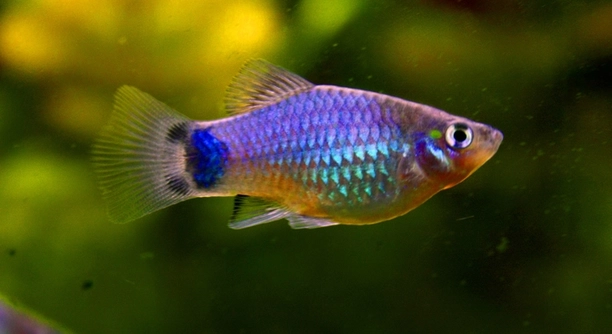
Have you ever noticed your platies reacting differently to certain tank decorations or background designs and wondered if they recognize patterns in their environment?
Platies have limited pattern recognition abilities, primarily responding to changes in color, movement, and lighting rather than specific visual patterns. While they may notice contrasts or repetitive motion, their behavior is more instinctive than consciously analytical.
Understanding how platies perceive their surroundings can help improve tank design and support their natural behavior in a safe and engaging space.
How Platies Perceive Their Environment
Platies rely on their senses to navigate their tanks, but their vision works differently than ours. They respond strongly to changes in light, contrast, and motion. When decorations or backgrounds shift, platies may become more alert or curious, which can look like recognition. However, their responses are instinctive. They don’t truly recognize patterns the way humans do, but rather react to visual stimuli that stand out. Bright colors or sudden movement often catch their attention. They also use their lateral line to detect vibrations, which helps them understand what’s happening around them even without seeing it clearly.
Most of what they respond to visually is based on survival instincts like finding food or avoiding threats.
If a pattern in the tank resembles a predator or blocks their usual swimming route, they may show signs of stress. This makes thoughtful tank design important to avoid unwanted reactions and support their comfort.
Do Tank Decorations Affect Their Behavior?
Changing decorations can influence how platies behave and interact with their environment.
When you introduce new colors or shapes into a platy’s tank, you might notice subtle changes in their behavior. They may explore more, hide often, or stick to familiar areas. This is because any new element creates a shift in how they process their surroundings. While they don’t recognize designs or symbols, they do notice contrast and motion, which may cause curiosity or caution. Certain colors—especially red or dark shades—can be more stimulating. Smooth transitions in décor, like using natural tones or consistent shapes, help platies adjust better and reduce unnecessary stress. Over time, they adapt, but too many changes at once can overwhelm them. If you want to redesign a tank, gradual updates are best. By observing how they respond to different layouts or colors, you’ll get a sense of what helps them feel secure and active without confusing them with too many visual changes.
How Lighting and Color Impact Recognition
Lighting and color changes can influence how platies respond to their surroundings. Bright light or sudden shifts in brightness may cause stress, while stable, soft lighting helps them feel calm and safe in their environment.
Platies can detect certain colors better than others. Reds, oranges, and blues tend to stand out most, often triggering a more noticeable reaction. When you add decorations or backgrounds with these colors, your platies may appear more active or alert. On the other hand, dull colors like brown or grey blend in and create a more neutral space. If lighting is too harsh, it can cause reflections or glare, confusing the fish. Soft, consistent lighting allows platies to navigate and interact with their environment more confidently. It’s also important to avoid constant changes in lighting, as this can make them anxious or affect their swimming patterns over time.
Gradual lighting transitions during the day are helpful.
Soft morning lights and dimmer settings at night create a comfortable rhythm. Too many bright, flashing lights can interfere with how platies behave, leading them to hide or avoid certain parts of the tank. A consistent light cycle paired with calming colors supports healthier activity and more predictable behavior patterns in a community setup.
Can Platies Learn Visual Cues?
Platies can become familiar with certain visual cues over time, especially those tied to routines like feeding. When patterns repeat consistently, they may associate specific shapes or movements with food or safety.
Their recognition is not based on memory like humans, but rather habit and repetition. They respond more to timing than detail.
Why Consistency Matters in Tank Design
A stable environment helps platies feel secure. Keeping decorations in the same place, avoiding frequent layout changes, and using familiar shapes or colors all contribute to their comfort. Sudden changes might confuse them or cause stress, especially if they disrupt swimming space or introduce unfamiliar contrasts.
Are Platies Affected by Busy Backgrounds?
Busy backgrounds with sharp patterns can overstimulate platies. Simpler, muted designs help them stay calm and navigate the tank more easily.
FAQ
Can platies recognize their owners or specific people?
Platies do not recognize people like pets such as dogs or cats might. Instead, they react to familiar movements, feeding routines, and the presence of someone near the tank. Over time, they may associate certain actions—like approaching the tank or tapping the glass—with food. This learned behavior can seem like recognition, but it’s based mostly on habit and conditioning rather than true identification.
Do platies notice changes in the tank environment immediately?
Yes, platies are quite sensitive to changes in their environment. Moving decorations, altering lighting, or adding new plants can quickly catch their attention. Because they rely on visual cues for safety and exploration, sudden changes might cause stress or cautious behavior until they adjust. Gradual changes are less likely to upset them.
How long does it take for platies to adjust to new tank decorations or layouts?
Adjustment time varies but generally takes a few days to a couple of weeks. During this period, platies explore the new layout and test safe routes. Keeping the changes consistent during this time helps them settle. Frequent rearrangements can prolong stress and confusion.
Are platies more active in tanks with patterns or plain backgrounds?
Platies often show calmer behavior in tanks with plain, muted backgrounds. Busy patterns may cause overstimulation, leading to skittish or hiding behaviors. Simple environments reduce stress and encourage natural swimming and social interaction.
Can platies distinguish colors?
Platies can see colors but not as vividly as humans. They respond best to bright colors such as red, orange, and blue. These colors may attract their attention or stimulate activity. Less vibrant colors are less noticeable and tend to create a more relaxed environment.
Do tank patterns help platies with their social interactions?
Patterns themselves do not influence social interactions. Platies rely more on body language, movement, and chemical signals to communicate. However, clear tank spaces without distracting patterns allow better interaction and natural behaviors.
Is it better to keep the tank environment consistent or change it often?
Consistency is best. Platies thrive when their environment is stable. Frequent changes can cause stress and interrupt their routines. Small, gradual updates are fine but should be spaced out to avoid overwhelming the fish.
How does lighting affect platy behavior?
Lighting has a strong effect on platies. Soft, natural-like lighting supports calm and regular activity. Too bright or flickering lights can cause stress and hiding. A steady light schedule mimicking day and night helps maintain their internal rhythms.
Do platies respond differently to artificial vs. natural tank decorations?
Platies do not have a preference for artificial or natural decorations. They respond mainly to the shapes, colors, and arrangement. Both types can be used effectively as long as they provide hiding spots and do not block swimming paths.
Can platies learn to recognize feeding times based on visual cues?
Yes, platies quickly learn to associate feeding times with visual cues like a person approaching the tank or specific movements. This conditioning helps them anticipate food, which can make them more interactive during feeding.
Platies are small, peaceful fish that bring life to many home aquariums. While they do not recognize complex tank patterns the way humans do, they respond to changes in their environment through instincts and habits. Their reactions are mainly influenced by factors like lighting, color, and movement rather than detailed visual memory. This means that while platies may notice a shift in decorations or backgrounds, they do not “see” patterns with understanding. Instead, their behavior reflects comfort or stress based on how the environment feels to them. A stable tank setup with gradual changes is best for their well-being, allowing them to explore and swim confidently without unnecessary worry.
Lighting and color play important roles in how platies perceive their tank. Soft, steady lighting that mimics natural day and night cycles helps them feel secure and maintain regular activity levels. Bright or flashing lights can cause stress and alter their behavior negatively. Similarly, the choice of tank decorations and background colors affects their comfort. Muted tones and simple designs create a calm space that encourages natural movement and social interaction. Busy or highly contrasting patterns can overwhelm these fish and make them more cautious or shy. Considering these factors when setting up or changing the tank can improve the overall health and happiness of platies.
Lastly, consistency is key for platies’ comfort. Frequent rearrangements or sudden changes in the tank can cause confusion and stress, even if the changes seem minor to an owner. Platies rely on routine and familiarity to feel safe. Over time, they may learn to recognize feeding cues and familiar faces through habit, which adds to their sense of security. However, their recognition skills focus more on patterns of behavior and timing rather than visual details. Keeping their environment steady, providing gentle lighting, and using simple decorations help platies thrive. This understanding makes it easier to create a tank space where platies can live healthy, active lives.

Hello,
If you enjoy the content that we create, please consider saying a "Thank You!" by leaving a tip.
Every little bit helps us continue crafting quality advice that supports the health, happiness, and well-being of pets around the world, for pets of all shapes, sizes, and species.
We really appreciate the kindness and support that you show us!