
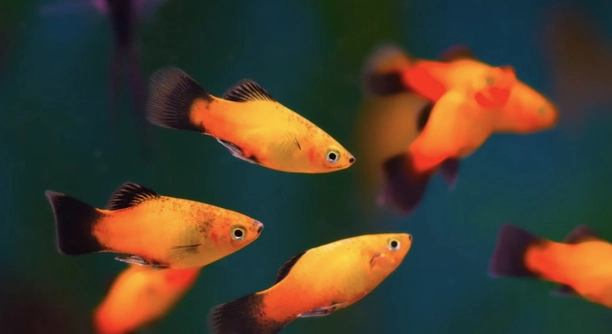
Are your platy fry swimming around nervously or struggling to grow in their new tank? It might be time to check their setup.
Platy fry need clean water, proper filtration, hiding spots, a safe temperature range, and a nutrient-rich diet to survive. These essential conditions help reduce stress, support healthy development, and protect them from predators in their early life stages.
Learning what young platies truly need can make a big difference in their survival rate and overall health.
Clean, Filtered Water
Keeping your platy fry healthy starts with the water they live in. Clean, well-filtered water helps protect their delicate bodies from harmful bacteria and toxins. Because they’re so small, they’re more sensitive to poor water quality than adult fish. A gentle sponge filter is ideal since it provides both mechanical and biological filtration without creating strong currents. Regular water changes—about 25% every few days—keep ammonia and nitrite levels down. Test your water often to make sure it stays within safe parameters: ammonia and nitrite at 0 ppm, nitrate below 20 ppm, and pH between 7.0 and 8.2. Avoid using untreated tap water, as chlorine and chloramine can harm fry. Using a water conditioner makes tap water safe. Make small changes at a time to avoid shocking the fry. Stable water conditions not only help them grow but also prevent diseases and stress-related issues that can appear without warning.
Clean water is one of the easiest ways to support growth and prevent illness in platy fry.
Dirty or unstable water can lead to infections, stunted growth, and sudden deaths. Many hobbyists underestimate how quickly ammonia can rise, especially in a small tank. Daily monitoring and partial water changes will protect your fry without the need for complex setups.
Proper Temperature Control
Platy fry grow best in stable temperatures around 75–80°F. A small, adjustable aquarium heater helps you keep the tank steady.
Sudden drops or spikes in temperature can stress young fish, weakening their immune systems and making them more prone to illness. Because fry are still developing, they can’t handle wide temperature swings the way adult platies can. Use a reliable thermometer to check the temperature daily. If your home tends to get cold at night or in winter, even a few degrees of fluctuation can have an impact. Place the tank away from windows or vents to avoid drafts. When setting up a heater, choose one rated for your tank size and test it for accuracy. Digital thermometers are easy to read and often more precise than stick-on strips. Keep in mind that smaller tanks change temperature more quickly, so you’ll need to be especially consistent. Stability is more important than being at the exact number, as long as it’s within the safe range.
Hiding Spots and Plant Cover
Platy fry need places to hide so they don’t get eaten or stressed. Live plants, fake plants, or decorations with small openings work well and help them feel safe while they grow and explore their surroundings.
In a community tank, adult fish may see fry as food. Adding dense plants like java moss or guppy grass gives fry a chance to escape. You can also use spawning boxes or breeder nets, but natural cover is often more effective and less stressful. Keep the decorations fry-sized—tiny caves, mesh structures, or floating plants provide extra safety. A planted tank also improves water quality and offers a natural environment for fry to forage. Balanced lighting will help plants grow without disturbing the fry. A few well-placed hiding spots can make the difference between survival and loss.
Good cover not only protects platy fry but also reduces their stress. Stress can weaken their immune systems and slow growth. Floating plants like hornwort or water lettuce are especially helpful because they provide shade and surface-level protection. Try placing plants throughout the tank instead of in just one area. Spread-out hiding spots encourage natural movement and give each fry a better chance to thrive.
Nutritious, Frequent Feedings
Platy fry grow quickly and need frequent feedings to develop properly. Their small size means they need soft, tiny food several times a day. Crushed flakes, baby brine shrimp, and powdered fry food are all good options.
Protein-rich food helps support healthy development. Baby brine shrimp are especially useful because they are high in nutrients and easy for fry to eat. Feed small amounts four to five times a day, but avoid overfeeding, which can dirty the water. Leftover food should be removed to avoid spikes in ammonia. Variety is also important—alternate between live food and crushed dry food for a more balanced diet. Use a small spoon or your fingers to sprinkle food where the fry are hiding. They often won’t chase food, so it needs to land near them. Keep a consistent feeding schedule to help them grow steadily and avoid malnutrition.
Gentle Water Flow
Strong currents can exhaust or injure platy fry. Use sponge filters or adjust your filter’s outflow to keep the water calm. A gentle flow allows them to swim safely and rest without constantly fighting against the current.
If you notice fry clinging to corners or surfaces, the flow may be too strong. Block direct currents with plants or decorations to break the force. Keeping the tank calm gives fry the chance to explore and feed without stress.
Separate Nursery Space
Raising platy fry in a separate nursery tank increases their chances of survival. Without adult fish present, there’s no risk of predation. It also allows better control over food, water conditions, and temperature, making daily care much easier. A small 5-10 gallon tank with gentle filtration and live plants works well. Add a heater, soft lighting, and a sponge filter. Keep up with water changes to prevent ammonia spikes from uneaten food. The smaller space also helps with targeted feeding since food doesn’t get lost. Once fry are larger—around 4 to 6 weeks—they can safely move into a community tank.
Regular Monitoring
Check on your platy fry daily for changes in behavior, size, or appetite. Early signs of trouble are easier to manage when caught right away.
FAQ
How often should I feed platy fry?
Platy fry need to be fed 4 to 5 times a day in small amounts. Their bodies are growing fast, and they use energy quickly. Tiny portions of crushed flakes, powdered fry food, or baby brine shrimp are ideal. Feed only what they can eat in a minute to avoid dirtying the tank. Spread feedings out throughout the day to maintain energy levels and growth. Consistency is more important than large meals. Try feeding them in the same spots each time to help them find food more easily.
Can platy fry survive in a community tank?
They can survive in a community tank, but it’s much harder. Adult fish, including platies, may eat fry if given the chance. Providing dense plant cover, hiding spaces, and floating plants helps improve their odds. However, the survival rate is still much lower than in a separate nursery tank. If you’re serious about raising as many fry as possible, moving them to a small breeder tank or using a breeding box is safer. Some hobbyists also wait for the mother to give birth, then separate the fry quickly.
When should I move fry into the main tank?
You can move platy fry into the main tank once they are about 1 inch long. At that size, they are less likely to be eaten and can compete better for food. This usually happens after 4 to 6 weeks, depending on water temperature, feeding schedule, and genetics. Before moving them, make sure the main tank has stable conditions and plenty of cover. Acclimate them slowly to avoid shock. Add them in groups to reduce attention from adult fish.
Do I need a heater for platy fry?
Yes, a heater is recommended, especially if your room temperature falls below 75°F. Platy fry grow faster and stay healthier with stable, warm water around 75–80°F. Sudden changes in temperature can stress or even kill young fry. Choose a reliable, adjustable heater rated for your tank size. Always use a thermometer to double-check the temperature. Even a small swing in temperature can affect their health.
What’s the best food for platy fry?
The best food for platy fry includes baby brine shrimp, crushed flakes, powdered fry food, and microworms. Brine shrimp are rich in protein and easy to digest, making them excellent for rapid growth. Rotate foods to give them a balanced diet. Crushed high-quality flake food can work in a pinch, but live or frozen options offer better nutrition. Feed small amounts and clean up any leftovers.
Why are my platy fry dying suddenly?
Sudden fry deaths are often linked to poor water quality, overfeeding, or unstable temperature. Ammonia or nitrite spikes can build up fast in small tanks. Regular testing and water changes are essential. Avoid feeding too much, as uneaten food rots and poisons the water. Also, check for temperature swings, especially at night. A stable, clean tank with proper filtration, feeding, and temperature control gives your fry the best chance.
How long does it take platy fry to grow?
Platy fry grow to their full size in about 3 to 4 months, but they can reach a safe size to join a community tank in 4 to 6 weeks. Growth depends on genetics, food quality, water temperature, and tank conditions. Warmer temperatures and frequent high-protein meals usually speed up growth. Keep the tank clean and provide a stress-free environment to support steady development.
Do I need to separate male and female fry?
Yes, if you plan to control breeding. Platies can start mating as early as 2 to 3 months old. Separating males from females once you can tell them apart prevents early or accidental breeding. Males develop a pointed anal fin called a gonopodium, while females have a fan-shaped anal fin. If you leave them together, be prepared for more fry.
Can I raise platy fry without live plants?
Yes, but live plants make things easier. They improve water quality, offer hiding spots, and provide natural surfaces for micro-food. If live plants aren’t an option, use soft artificial ones that provide similar cover. Just make sure they don’t have sharp edges. Artificial plants won’t help with oxygen or filtration, but they can still give fry the shelter they need to survive in shared tanks or nurseries.
Final Thoughts
Raising platy fry takes time, patience, and daily care. These small fish are delicate in their early weeks and need the right environment to grow strong and healthy. Clean water, steady temperature, proper food, and safe hiding places are all essential for their survival. Each step, from setting up the tank to feeding them, plays a role in helping them reach adulthood. While it may seem like a lot to manage, it becomes easier with routine. A few simple tools—like a sponge filter, heater, and water test kit—can make a big difference in keeping conditions stable. Even small changes, such as adjusting the filter flow or spacing out feedings, can improve their chances.
Platy fry are more likely to thrive when their space is peaceful and consistent. Sudden changes in temperature, poor water quality, or missed feedings can lead to stress, which weakens their immune system and slows growth. That’s why regular checks are so important. Watching how they swim, eat, and react can help you catch problems early. It’s also helpful to keep a small notebook or tracker for water test results, feeding times, and fry size. This kind of tracking doesn’t take much time but gives you a clear idea of what’s working and what needs adjusting. And if you’re raising them in a community tank, adding more plant cover or using a breeding box can protect the fry until they’re big enough to be on their own.
Even though it takes effort, watching platy fry grow is a rewarding experience. You get to see them go from tiny, almost invisible specks to active, colorful fish. Along the way, you learn more about fish care and build habits that can help with other species too. Every tank is different, so what works in one setup might need a small change in another. Don’t be discouraged if things don’t go perfectly at first. Keep the basics strong—clean water, good food, and calm surroundings—and adjust as needed. Over time, you’ll gain confidence and find a routine that fits both your schedule and the fry’s needs. Whether you’re raising a few or a full batch, your attention and care will shape their future.

Hello,
If you enjoy the content that we create, please consider saying a "Thank You!" by leaving a tip.
Every little bit helps us continue crafting quality advice that supports the health, happiness, and well-being of pets around the world, for pets of all shapes, sizes, and species.
We really appreciate the kindness and support that you show us!