
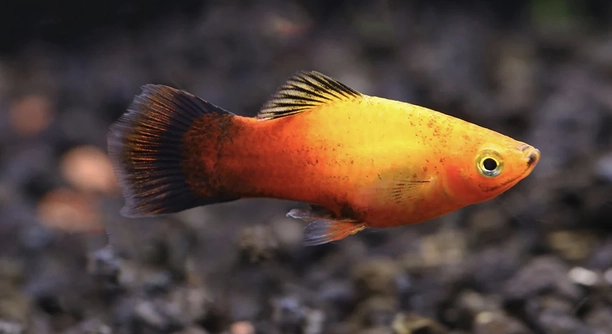
Are your platies thriving in their current tank setup? Many aquarium enthusiasts consider how the environment affects these colorful fish. Planted tanks often provide a more natural habitat that may influence platies’ behavior and health.
Platies generally perform better in planted tanks due to improved water quality, natural hiding spots, and a stable environment. Plants offer shelter, reduce stress, and support beneficial bacteria, contributing to healthier fish and a balanced ecosystem within the aquarium.
Understanding how planted tanks benefit platies can improve your aquarium’s success and the well-being of your fish. This article explores the key advantages that planted environments offer for these popular freshwater fish.
Benefits of Plants for Platies
Having plants in a platy tank helps create a more natural and comfortable environment. Plants provide shelter, allowing platies to hide when they feel threatened or need rest. This reduces stress, which is important for their health and longevity. Plants also improve water quality by absorbing nitrates and producing oxygen. This helps maintain a cleaner and more stable tank environment. Additionally, plants encourage natural behaviors like grazing on algae or biofilm, which can be a small part of a platy’s diet. The roots of live plants create surfaces for beneficial bacteria to grow, supporting the tank’s biological filtration. Overall, plants contribute to a balanced ecosystem that promotes healthier fish. When platies feel secure and have clean water, they tend to be more active and colorful, making the aquarium more enjoyable to watch.
A planted tank supports both the physical and mental well-being of platies, leading to a healthier and more vibrant aquarium.
The presence of plants enhances the tank’s ecosystem by providing multiple benefits. Plants reduce toxins, offer hiding places, and encourage natural behavior. They also create visual interest, making the aquarium a more pleasant environment. Platies are less likely to show signs of stress or illness when surrounded by plants. This setup mimics their natural habitats, helping them thrive in captivity. While artificial plants can offer hiding spots, they lack the filtration benefits that live plants provide. Choosing hardy plants that tolerate platy tank conditions ensures long-lasting benefits. The combination of plants and platies creates a stable, lively environment that supports the fish’s overall health.
Choosing Plants for a Platy Tank
Selecting the right plants is important for maintaining a balanced aquarium. Plants should be hardy and able to thrive in similar water conditions to platies. This ensures they last longer and support the tank’s health.
Ideal plants for platy tanks include Java fern, Anubias, and Amazon sword. These species tolerate a range of water conditions and require minimal care. Floating plants like duckweed provide shade and reduce light intensity, which can calm active platies. Fast-growing plants absorb excess nutrients, reducing algae growth. Plants with broad leaves offer better hiding spots for platies and their fry. Proper lighting and regular trimming help keep plants healthy and prevent overcrowding. Combining different types of plants creates varied textures and hiding places, benefiting both the fish and the tank’s appearance. Keeping the tank well-maintained ensures the plants continue supporting a healthy environment for platies to thrive.
Maintaining Water Quality in Planted Tanks
Planted tanks naturally support better water quality, which benefits platies by reducing harmful substances. Plants absorb nitrates and other waste, lowering toxin levels.
This natural filtration helps keep the water stable and healthy for platies. Without plants, waste buildup can stress fish and lead to illness. The roots and leaves of plants provide surfaces for beneficial bacteria that break down ammonia and nitrites. Regular water changes remain necessary, but plants reduce the frequency and intensity needed. Proper balance between fish load and plant growth is key to maintaining clean water.
In planted tanks, water parameters tend to be more stable, which lowers stress for platies. Less stress improves their immune systems, reducing disease risks. The combination of plants and good filtration creates an environment where platies can thrive long term. The gradual absorption of toxins by plants creates a safer space than tanks without live plants.
Behavior Differences of Platies in Planted Tanks
Platies often display calmer behavior in planted tanks due to increased hiding places and a more natural environment. They feel safer and less exposed.
With plants, platies tend to explore more and show natural behaviors like grazing and spawning among leaves. The plants reduce aggression by breaking sight lines between fish, which lowers stress. Shy or timid platies gain confidence and spend more time swimming openly. Plants provide cover for fry, improving survival rates. The tank looks livelier as fish interact with their environment rather than constantly searching for shelter. This natural setup helps platies feel more secure and encourages healthy social dynamics, which is beneficial for their overall well-being.
Feeding Platies in Planted Tanks
Plants can provide natural grazing opportunities for platies. They nibble on algae and biofilm growing on leaves, supplementing their diet slightly.
Supplementing with high-quality flakes or pellets remains essential. Plants alone do not meet all nutritional needs but contribute to a more varied environment.
Common Challenges with Planted Tanks
Algae growth can become an issue if the balance between light, nutrients, and plants is off. Excess nutrients promote unwanted algae.
Regular maintenance, including trimming plants and controlling feeding, helps prevent algae from overtaking the tank. Monitoring water parameters is important to keep everything in check.
Lighting Requirements for Planted Tanks
Proper lighting supports both plant health and fish well-being. Most plants suitable for platy tanks thrive under moderate light levels. Too much light can cause algae, while too little slows plant growth.
Choosing the right light intensity and duration is key to maintaining a healthy planted aquarium.
Tank Size Considerations
Platies are active fish that do well in tanks of at least 10 gallons. Larger tanks provide more stable environments and space for plants and fish to coexist peacefully.
FAQ
Are platies compatible with all types of aquarium plants?
Platies generally get along well with most common aquarium plants. Hardy species like Java fern, Anubias, and Amazon sword are good choices because they tolerate a wide range of water conditions. Soft or delicate plants might suffer if platies nibble on them. Floating plants are also suitable as they provide shade and reduce stress for the fish. Avoid plants with sharp edges that could harm platies while swimming. Overall, selecting durable plants that fit your tank’s conditions helps maintain harmony between fish and vegetation.
Do planted tanks reduce the frequency of water changes for platies?
Planted tanks help improve water quality by absorbing nitrates and other wastes, which can extend the time between water changes. However, regular water changes are still necessary to maintain optimal water parameters. Plants reduce toxin buildup but cannot completely replace the need for maintenance. The presence of live plants can make water changes less frequent and less drastic, contributing to a more stable environment. Monitoring water quality regularly will help determine the ideal water change schedule for your specific tank setup.
Can platies survive in tanks without live plants?
Platies can live without live plants, but their overall health and behavior may not be as good. Without plants, the tank lacks natural hiding spots, which can increase stress and aggression. Artificial plants provide some shelter but don’t offer the filtration benefits of live plants. Platies in bare tanks may be more prone to illness due to less stable water quality. Adding live plants helps mimic their natural habitat, promoting better immune function and natural behaviors, which supports their long-term health.
What types of plants grow best in platy tanks?
Plants that grow well in platy tanks are typically hardy, low-maintenance species that thrive in moderate lighting and tolerate a range of water conditions. Java fern, Anubias, Amazon sword, and Vallisneria are common examples. Floating plants like duckweed or frogbit can help reduce light intensity and provide additional cover. Fast-growing stem plants such as hornwort or water wisteria absorb excess nutrients, reducing algae growth. Choosing plants with broad leaves also gives platies more space to hide and explore.
How do planted tanks affect platy breeding?
Planted tanks encourage natural breeding behavior by providing safe spaces for females to hide and for fry to grow. Plants give protection from aggressive tank mates and reduce stress on breeding adults. Dense plant coverage increases fry survival by offering hiding spots, preventing them from being eaten. Many platy breeders prefer heavily planted tanks because they create a more natural environment that stimulates spawning. Without plants, fry are more vulnerable, which can lead to lower survival rates.
Are there specific lighting needs for platy tanks with plants?
Moderate lighting works best for planted platy tanks. Most common aquarium plants suited for platies do not require intense lighting, which helps prevent excessive algae growth. Lights should be on for about 8 to 10 hours a day to support healthy plant growth without stressing the fish. Using a timer ensures consistent light cycles. Too much light can encourage algae, while too little slows plant growth and reduces oxygen production. Proper lighting balances plant health and fish comfort.
Can platies eat aquarium plants?
Platies may nibble on some plants, especially softer, more delicate species, but they are not heavy plant eaters. Most nibbling is accidental or for grazing on algae and biofilm. Tougher plants like Anubias and Java fern are less likely to be damaged. If plants are consistently eaten or damaged, providing a balanced diet and more plant cover can reduce this behavior. Including some fast-growing plants can help compensate for occasional nibbling without harming the overall tank balance.
How do plants help control algae in platy tanks?
Live plants compete with algae for nutrients, limiting algae growth by reducing excess nitrates and phosphates in the water. Fast-growing plants are particularly effective at absorbing nutrients that algae need to thrive. Healthy plants create shade, reducing light available to algae. Regular trimming prevents dead plant matter from decomposing and releasing nutrients that fuel algae. By maintaining a balance of plants and proper tank maintenance, algae outbreaks become less frequent, keeping the tank clean and visually appealing.
Is it harder to care for platies in planted tanks compared to bare tanks?
Caring for platies in planted tanks requires attention to both plant and fish needs, which can add complexity compared to bare tanks. Plants need proper lighting, nutrient balance, and trimming to stay healthy. However, planted tanks provide benefits like better water quality and stress reduction for fish, which can reduce problems in the long run. Many find that the extra effort in plant care is worth the improved environment and appearance. With regular maintenance and monitoring, planted tanks are manageable and rewarding for platy keepers.
Final Thoughts
Platies are popular freshwater fish known for their hardiness and vibrant colors. Choosing to keep them in a planted tank offers several benefits that can improve their overall health and happiness. Live plants create a more natural environment, which supports the fish both physically and mentally. They provide shelter, reduce stress, and improve water quality by absorbing harmful substances. This natural filtration helps keep the water cleaner for longer periods, which is important for maintaining a stable and healthy aquarium.
A planted tank also encourages platies to display natural behaviors. They are more likely to explore, graze, and spawn when surrounded by plants. The hiding spots that plants provide give shy or timid fish a place to retreat, reducing aggression and stress. This environment helps both adult platies and their fry thrive. Without plants, platies might feel exposed and stressed, which can negatively affect their health. While platies can survive in tanks without live plants, their quality of life improves noticeably when plants are present.
Maintaining a planted tank requires some extra care, such as providing appropriate lighting, trimming plants, and monitoring water conditions. However, the effort is often worth it because planted tanks create a balanced ecosystem that benefits both plants and fish. Choosing hardy plants that match your tank conditions makes maintenance easier. Overall, planted tanks offer a more natural, healthy, and visually appealing home for platies. This setup supports their well-being and allows aquarists to enjoy the full beauty of these lively fish.

Hello,
If you enjoy the content that we create, please consider saying a "Thank You!" by leaving a tip.
Every little bit helps us continue crafting quality advice that supports the health, happiness, and well-being of pets around the world, for pets of all shapes, sizes, and species.
We really appreciate the kindness and support that you show us!