
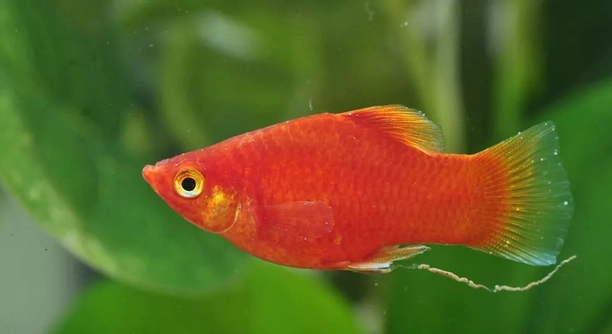
Do you ever find yourself watching your platies swim and wondering if they’re truly happy in their aquarium community?
A healthy platy group will show signs such as active swimming, vibrant colors, regular feeding, minimal aggression, playful behavior, strong social bonding, and consistent breeding patterns. These signs reflect proper care and stable tank conditions.
Learning these signs helps you understand your fish better and create a peaceful, thriving environment they can enjoy every day.
Active and Energetic Swimming
A group of healthy platies will be active throughout the day, moving around the tank with steady energy. You’ll often see them exploring their space, swimming together, or darting toward the top during feeding time. Their movement should be smooth and consistent, with no signs of lethargy or labored breathing. Active swimming is usually a clear indicator of comfort and safety in their environment. When platies feel secure, they interact more freely, both with each other and within their surroundings. It also reflects proper oxygen levels, good water quality, and an appropriate tank setup. If your platies are hiding excessively, lingering near the bottom, or swimming irregularly, it may be time to reassess tank conditions. A healthy group dynamic depends on their ability to move around without fear or stress. Activity levels can shift over time, so it’s important to observe their habits and notice if anything seems out of balance.
Happy platies will swim together peacefully, showing a relaxed and confident attitude that comes from a stable environment.
If your platy group is active and swims in harmony, it’s a strong sign that they’re thriving under your care and tank conditions.
Bright and Consistent Coloring
Bright colors are another strong indicator that your platies are doing well.
Healthy platies display vibrant, even coloring that matches their breed. Their scales should look smooth, clean, and not faded or patchy. When platies feel safe, well-fed, and stress-free, their natural colors stand out more vividly. Diet plays a key role—high-quality flakes or pellets, along with occasional frozen or live foods, support their skin and scale health. Good water conditions, such as stable temperature, pH, and ammonia levels, also help maintain their color. Stress, illness, or aggression in the tank can dull their appearance. Even small changes in tone can indicate that something is wrong. Observing the group’s appearance regularly helps you catch early signs of problems before they worsen. Color is often the first outward signal your fish give when they’re uncomfortable. A bright group means a happy group, so if your platies are glowing with color and swimming confidently, you’re likely on the right path with your care routine.
Regular Feeding with Enthusiasm
Healthy platies approach food eagerly and eat with steady interest. If they rush to the top when it’s time to feed and consume their food quickly, that’s a good sign. A consistent appetite means their bodies are functioning well.
Feeding time can reveal a lot about a platy group’s health. When all members eat with enthusiasm, it shows they’re comfortable and not stressed. Skipping meals, spitting out food, or lingering at the bottom can signal an issue. Check for any fish being bullied away from the food or struggling to compete for it. Everyone should get a fair share. Uneven eating habits may lead to malnutrition or aggression. If one fish isn’t eating, consider separating it temporarily or checking for illness. Healthy feeding patterns also depend on your routine. Feed them twice a day in small amounts, and always remove uneaten food to avoid water issues.
Appetite ties closely to water quality and stress. Poor tank conditions may lower their desire to eat. Always monitor feeding behavior as it can help you catch early signs of problems. Stick to a feeding schedule and choose foods that meet their dietary needs. A mix of flakes, live foods, and blanched vegetables keeps them healthy and engaged.
Social Behavior and Group Harmony
Platies are naturally social and prefer to stay in small groups. If they swim calmly near one another, with no chasing or hiding, it shows harmony. They enjoy companionship, and a peaceful tank lets them behave as they should.
Aggressive behavior is rare in platy groups, especially when the male-to-female ratio is balanced. Aim for two or three females per male to avoid stress from mating pressure. When this balance is off, males can become too persistent, leaving females stressed and hiding. Aggression also rises if the tank is overcrowded or lacks hiding spaces. Watching how they interact helps you understand the group’s mood. Nipping, fin damage, or isolating behavior are red flags. A calm group swims in the open and shows light, playful chasing—not frantic darting or hiding. Providing plenty of plants and space helps maintain a peaceful social dynamic. When they trust each other, they display their best behaviors.
Consistent Breeding Activity
A healthy platy group will often show signs of breeding, especially if conditions are stable. Males may chase females gently, and pregnant females will develop a rounder belly and a visible gravid spot near the back fin.
Frequent breeding is a strong indicator of a low-stress environment. It means your water quality, feeding, and social balance are supporting their natural cycle.
Clear Eyes and Smooth Fins
Platies with bright, clear eyes and undamaged fins are likely in good health. Their fins should fan out naturally without signs of clamping or tearing, which often suggest stress or illness.
Minimal Hiding or Isolation
Platies that feel safe will rarely isolate themselves. Occasional hiding is normal, but if it’s constant, something in their environment might be causing distress.
FAQ
How often should I feed my platy group?
Feeding twice a day with small amounts is best. Overfeeding can cause water quality issues and health problems. Offer only what they can finish in about two minutes to avoid leftover food. A balanced diet with flakes, frozen foods, and vegetables supports their health.
What is the ideal tank size for a platy group?
A minimum of 20 gallons is recommended for a small group of platies. This size allows enough swimming space and helps maintain stable water parameters. Overcrowding can increase stress and aggression, so keep the number of fish appropriate for the tank.
How do I maintain water quality for my platies?
Regular water changes, about 25% weekly, help keep ammonia, nitrite, and nitrate levels safe. Use a reliable water test kit to monitor parameters like pH (6.8–8.0) and temperature (70–78°F). A good filtration system supports clean, oxygenated water essential for their well-being.
Why are my platies hiding so much?
Excessive hiding often means stress, illness, or poor water conditions. Check water quality first, then review tank setup. Lack of hiding spots or aggressive tank mates can cause discomfort. Providing plants and decorations creates safe spaces, encouraging more natural behavior.
Can platies live with other fish species?
Platies are peaceful and generally get along with other non-aggressive fish of similar size. Suitable tank mates include guppies, mollies, and tetras. Avoid large or aggressive species that may bully or eat platies. Always research compatibility before adding new fish.
What signs show my platies are sick?
Look for faded color, clamped fins, erratic swimming, or loss of appetite. White spots, fungus, or damaged scales also indicate illness. Early detection allows prompt treatment, which improves recovery chances. Quarantine new fish before introducing them to prevent disease spread.
How can I tell if my platy group is stressed?
Stress signs include hiding, loss of appetite, rapid breathing, and dull colors. Causes are often poor water quality, overcrowding, or aggressive tank mates. Maintaining a stable environment and balanced social groups reduces stress and promotes healthy behavior.
Is breeding platies difficult?
Breeding platies is generally easy if conditions are right. A balanced male-to-female ratio and good water quality encourage natural mating. Pregnant females show a visible gravid spot, and fry will appear after about four weeks. Providing hiding places helps protect the young from adults.
How do I care for platy fry?
Separate fry into a nursery tank to protect them from adults. Feed them finely crushed flakes or specialized fry food multiple times daily. Keep water clean with gentle filtration and frequent small water changes. Fry grow quickly with proper care and attention.
What plants work well in a platy tank?
Live plants like Java moss, Anubias, and hornwort create hiding spots and improve water quality. Plants also help reduce nitrate levels and provide natural grazing surfaces. Choose hardy species that can tolerate the same temperature and water conditions as platies.
Final Thoughts
Keeping a platy group happy and healthy takes attention to their behavior, environment, and care routine. Watching how they swim, eat, and interact gives clear signs of their wellbeing. Active swimming, bright colors, regular feeding, and peaceful social behavior are strong indicators that your platies are comfortable in their home. Paying close attention to these signs can help you catch problems early and make adjustments before issues become serious. This careful observation is one of the simplest ways to ensure your fish thrive.
Maintaining good water quality is essential for a healthy platy group. Regular water changes, proper filtration, and monitoring of parameters like temperature and pH keep the tank environment stable. When water conditions are balanced, fish feel less stressed and are less likely to develop illnesses. Stress is often the root cause of many problems, including dull colors, hiding, and loss of appetite. Providing enough space and a balanced number of males and females also helps reduce stress and aggression within the group. Simple steps like these build a strong foundation for your platies’ long-term health.
Finally, feeding your platies a varied and balanced diet supports their overall condition. A mix of quality flakes, frozen foods, and occasional vegetables keeps them nourished and boosts their immune system. Overfeeding should be avoided to prevent water pollution and health problems. Creating an environment where platies can safely breed and interact naturally adds to their happiness. With consistent care and attention, your platy group can remain vibrant and lively, making your aquarium a pleasant, healthy space for both fish and owner.

Hello,
If you enjoy the content that we create, please consider saying a "Thank You!" by leaving a tip.
Every little bit helps us continue crafting quality advice that supports the health, happiness, and well-being of pets around the world, for pets of all shapes, sizes, and species.
We really appreciate the kindness and support that you show us!