
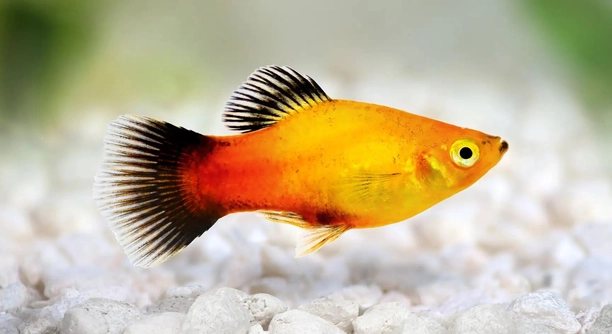
Are your pregnant platies swimming in a tank that’s a little too quiet—or maybe a bit too crowded with the wrong fish? Choosing the right companions can make a big difference for their safety and peace of mind.
The best tank mates for pregnant platies are peaceful, similarly-sized species that won’t cause stress or pose a threat to the fry. These include cory catfish, mollies, guppies, bristlenose plecos, swordtails, snails, and neon tetras.
Choosing the right tank mates helps keep the environment calm and supportive for both your pregnant platies and their future fry.
Why Tank Mates Matter for Pregnant Platies
Pregnant platies need a calm, low-stress environment to stay healthy and deliver their fry safely. Fish that chase, nip, or compete aggressively for food can easily stress out a platy during pregnancy. When platies are stressed, it can delay birth or lead to complications. Some tank mates may even eat the fry if not properly managed. That’s why selecting peaceful and compatible species is so important. Community tanks can still thrive with a pregnant platy, as long as you choose fish that are calm and not territorial. Size also plays a role—larger or overly active fish can intimidate smaller or slower ones. Providing hiding spots, such as live plants or decorations, will help your platy feel secure. A calm atmosphere also encourages fry to hide and grow safely in those early stages. The right companions will support a healthy tank while helping your platy feel safe and relaxed throughout her pregnancy.
Not all fish are suitable for this stage, so planning ahead is the easiest way to avoid trouble.
Understanding which species fit well in a shared tank during pregnancy can make your setup easier to manage and more balanced. You’ll also spend less time separating fish or dealing with fry loss.
Top 7 Safe Tank Mates for Pregnant Platies
Platies do well with other peaceful community fish that won’t compete for food or stress them out.
1. Cory Catfish
Cory catfish are calm bottom dwellers that stay out of the way and help keep the tank clean. They don’t bother other fish and are rarely aggressive. Their small size and peaceful nature make them great for shared tanks. Plus, they enjoy being in small groups and contribute to a more active, social tank without stressing out the platy.
2. Mollies
Mollies are similar to platies in behavior and care needs. They’re active but not aggressive and often get along well in a community tank. Like platies, mollies enjoy warm, well-filtered water and do best in planted tanks. Just make sure to avoid overcrowding.
3. Guppies
Guppies are colorful, easygoing, and peaceful. They’re also small and active, which makes them visually interesting without being overwhelming. They enjoy the same water conditions as platies and won’t pose a threat to the fry if well-fed and housed properly.
4. Bristlenose Plecos
These algae-eaters stay mostly at the bottom and keep to themselves. They’re gentle, easy to care for, and won’t chase platies or go after fry. They can grow a bit larger but generally stick to their own space, making them a quiet addition.
5. Swordtails
Swordtails are closely related to platies and share similar temperaments. They’re active and peaceful, and they don’t usually bother other fish. Just be sure not to overcrowd, as swordtails can be energetic and need room to swim.
6. Mystery Snails
Snails don’t interact with fish much at all, making them ideal for tanks with pregnant platies. They help with algae and leftover food, keeping things tidy. Plus, they won’t stress the mother or bother the fry.
7. Neon Tetras
These small schooling fish are peaceful and fast enough to avoid unwanted attention. They won’t nip or chase platies and do well in groups. Neon tetras prefer stable, clean water, which also helps keep the whole tank balanced.
Tips for a Safe Community Tank Setup
Use plenty of plants and hiding spots so your pregnant platy can rest without feeling exposed. Avoid bright lights and strong currents that may cause stress. Choose peaceful fish that match the platy’s calm nature and avoid overcrowding the tank.
Live plants like java moss, hornwort, or water wisteria provide excellent shelter for both the mother and the fry. Floating plants also help reduce light and add a sense of security. If live plants aren’t available, caves, driftwood, and decorations with soft edges work too. Make sure to place these shelters in various parts of the tank so the platy can move around comfortably. Keep water conditions stable—regular water changes and good filtration are key. Unstable parameters can add unnecessary stress. Also, feed the tank a variety of foods so there’s less competition or aggression during feeding. Calm tankmates, good hiding spaces, and clean water make a big difference.
Some aquarists choose to add a breeding box, but this should be used with care. If the box is too small or poorly ventilated, it may cause more stress than it prevents. It’s often better to let the platy give birth in the main tank if you’ve created enough safe zones. Fry can hide in plants until they’re big enough to avoid being eaten. If you do use a breeding box, transfer the female only when she’s close to giving birth and return her to the main tank shortly after. Never keep her isolated for too long. A safe tank setup supports both the mother and her fry naturally.
Signs Your Platy Is Ready to Give Birth
A dark, enlarged gravid spot near the rear of her abdomen is one of the clearest signs. Her belly will also appear more boxy than rounded. You may notice her hiding more or resting near plants.
She might lose interest in food or become less active as labor approaches. Some platies prefer to stay still near the bottom or behind decorations. Look for a subtle shiver or twitch in her body—this may signal early labor contractions. If she’s constantly hiding, don’t disturb her. Keep the tank calm by turning off bright lights and limiting noise near the aquarium. Avoid netting her unless it’s absolutely necessary, as handling can interrupt labor. Some females may separate themselves from the group, which is natural. Give her space and monitor from a distance. These signs often mean birth is just hours away.
Once she begins giving birth, you’ll see tiny fry appear one by one, usually near a plant or quiet corner. She may continue swimming slowly and pause between fry deliveries. Keep watch, but don’t interfere unless there’s a clear problem. Remove tankmates that show interest in the fry, or increase plant coverage to keep fry safe. Avoid large water changes or cleaning during this time. Once she’s done, she’ll usually return to her normal swimming behavior. Continue feeding high-quality food to help her recover and support the fry’s growth. A calm tank and gentle care help ensure a smooth delivery.
What to Avoid in a Shared Tank
Avoid adding aggressive or fast-swimming fish like tiger barbs or large tetras. These species can stress out pregnant platies and may chase or nip at them, especially when they’re slower and more vulnerable.
Do not keep large cichlids or fin-nippers with platies. Even semi-aggressive fish can cause problems during pregnancy.
How to Care for the Fry
Once the fry are born, their main need is safety. Most adult fish, including the mother, may eat them if given the chance. Dense plant cover is one of the easiest ways to protect them. Java moss, guppy grass, or floating plants give them places to hide right away. You can also move the fry to a separate tank or nursery box. Keep their water clean and stable—small daily water changes work well. Feed them finely crushed flakes or baby brine shrimp two to three times a day. Avoid overfeeding, as it can lead to water quality issues. With the right setup, many of the fry will survive and grow.
Feeding Tips for Pregnant Platies
Feed small amounts two to three times a day using high-protein flakes, frozen brine shrimp, or daphnia. A varied diet helps support her energy needs and encourages healthy fry development.
FAQ
What is the best environment for pregnant platies?
Pregnant platies thrive in calm, well-planted tanks with stable water conditions. A temperature around 75-78°F (24-26°C) and a pH between 7.0 and 8.2 are ideal. Avoid strong currents or bright lighting that might stress them. Plenty of hiding spots like dense plants or decorations help the mother feel secure. Clean, well-filtered water with regular changes supports their health and encourages successful births.
Can pregnant platies live with other livebearers?
Yes, pregnant platies can live with other livebearers such as mollies, guppies, and swordtails. These species have similar care requirements and temperaments, which reduces stress. However, keep an eye on tank population to prevent overcrowding. Also, be aware that fry from different livebearers might mix if they breed together, which some aquarists want to avoid.
How can I tell if my platy is pregnant?
A gravid spot—a dark area near the rear belly—is the clearest sign. The belly will be noticeably swollen and boxy. Behavior changes like hiding more often, reduced activity, and sometimes less interest in food also indicate pregnancy. These signs usually appear 3-4 weeks after mating and become more obvious as the birth approaches.
Should I separate a pregnant platy from other fish?
It’s not always necessary if your tank is peaceful and has plenty of hiding places. Separation might reduce stress and protect fry from being eaten but can also cause stress if the female is kept isolated too long. Use a breeding box only if you can monitor water quality and provide enough space. Otherwise, a well-planted community tank works well.
How long is a platy’s pregnancy?
Platies typically carry their young for about 24 to 30 days. This period can vary slightly depending on water temperature and overall health. Warmer water tends to speed up the gestation process, but avoid sudden temperature changes as this can stress the fish.
What do newborn platy fry eat?
Newborn fry can start eating finely crushed flakes, powdered fry food, or baby brine shrimp right away. High-quality protein helps them grow quickly. Feed small amounts several times a day to avoid fouling the water. As they grow, gradually introduce larger foods like micro worms or finely chopped bloodworms.
How many fry does a platy usually have?
A healthy female platy can give birth to anywhere from 20 to 50 fry at one time. The number depends on her age, size, diet, and health. Younger or smaller females tend to have fewer fry. Keeping her well-fed and stress-free improves the chances of a larger brood.
Will the mother eat her fry?
Yes, it’s common for platies and other tankmates to eat some or all of the fry if there’s not enough cover. Adding dense plants or a separate nursery area helps protect the babies. If you want to save most of the fry, consider removing the mother right after birth or using a breeding trap.
How often should I feed a pregnant platy?
Feed small portions two to three times a day. Use a varied diet including high-quality flakes, frozen or live foods like brine shrimp or daphnia. Avoid overfeeding, which can pollute the water and cause health issues. Balanced nutrition supports her energy needs during pregnancy and helps develop healthy fry.
Can platies give birth without a male?
No, platies require a male to fertilize the eggs. If you have only females, they won’t produce fry. Males show a modified anal fin called a gonopodium, which is used for fertilization. Without males, females will live healthily but remain fry-free.
How do I prevent fry from being eaten by other fish?
Provide dense plant cover or use breeding boxes or separate fry tanks. Fast-moving or larger fish may prey on fry, so avoid aggressive species or those known to hunt small fish. Feeding all fish well also reduces aggression and the chance of fry being eaten.
Is it necessary to increase water changes during pregnancy?
Yes, maintaining excellent water quality is essential. Small, frequent water changes—about 20-30% once or twice a week—help keep toxins low and reduce stress. Avoid large, sudden water changes that might shock the pregnant platy. Stable parameters support healthy births and fry survival.
Can pregnant platies handle fluctuations in temperature?
Pregnant platies are sensitive to sudden temperature changes. Keep the tank stable within the recommended range of 75-78°F (24-26°C). Avoid placing the tank near drafts, heaters, or windows where temperatures might fluctuate. Consistent conditions promote healthy development and reduce stress.
How soon can fry be introduced to the main tank?
Fry are safest in separate nursery tanks until they are large enough to avoid predation, usually after 4-6 weeks. Once they’re about half an inch long and swimming confidently, they can be slowly introduced to the community tank. Gradual acclimation helps them adjust safely.
What signs show a platy is in labor?
Look for slight trembling or twitching movements and slower swimming. The gravid spot may darken further, and the belly shape changes as fry begin to exit. The mother may rest more and hide in plants or caves. Labor usually lasts a few hours with fry born in quick succession.
Is it okay to keep multiple pregnant platies together?
Yes, but make sure the tank is large enough and well-planted to prevent stress and competition. Multiple pregnant females may increase fry numbers significantly, so prepare for potential overcrowding. Provide plenty of hiding spots and maintain high water quality to support all fish.
What happens if a pregnant platy is stressed?
Stress can delay labor, cause health problems, or even lead to miscarriage. Common stressors include aggressive tankmates, poor water quality, sudden changes in environment, or overcrowding. Keeping the tank calm, stable, and peaceful is essential to avoid these issues and ensure a successful birth.
Can platies give birth in cold water?
Colder temperatures slow down their metabolism and pregnancy. If water is too cold, it can cause developmental problems or even death of the fry. Always keep the tank in the recommended temperature range to promote healthy births and fry survival.
How often do platies breed?
Platies can breed frequently—sometimes every 4-6 weeks—if conditions are right. They are livebearers and can store sperm from males, allowing multiple broods from a single mating. Regular monitoring is helpful to manage population size and tank balance.
What are the risks of overcrowding with platies?
Overcrowding can lead to poor water quality, stress, increased aggression, and fry being eaten. It also reduces oxygen levels and can cause disease outbreaks. Proper tank size, filtration, and routine maintenance help prevent these problems and keep all fish healthy.
Can I use a filter with strong current for a pregnant platy tank?
Strong currents can stress pregnant platies and make it hard for fry to swim. Use gentle filtration or add flow-reducing devices like spray bars or plants to calm the water movement. A steady but mild current promotes good water quality without causing distress.
When it comes to caring for pregnant platies, creating a peaceful and safe environment is key. These fish thrive best in calm tanks with plenty of hiding spots and stable water conditions. By choosing compatible tank mates that won’t stress or threaten the mother, you give her the best chance to carry her pregnancy to term without problems. Simple additions like live plants or decorations provide essential shelter for both the mother and her fry. Avoiding aggressive or overly active fish helps reduce the risk of injury or stress, which can affect the health of the platy and her babies. Maintaining a calm atmosphere also supports the natural behavior of the fish, allowing them to live comfortably and safely.
Feeding plays an important role throughout the pregnancy and after birth. Pregnant platies need a varied diet with quality proteins to support their energy needs and healthy fry development. Small, frequent feedings work best and help avoid water pollution from uneaten food. After the fry are born, providing finely crushed food or live baby brine shrimp helps them grow strong and healthy. A well-fed mother produces healthier fry, and a well-fed tank reduces aggression among fish. Keeping water clean with regular changes and monitoring temperature and pH will support both mother and fry. Consistency in care ensures fewer surprises and a better outcome for your platy community.
While it might seem challenging at first to balance the needs of pregnant platies with other tank mates, it becomes easier with experience and careful planning. Watching your platy give birth and seeing the fry grow can be a rewarding experience. Patience and attention to detail are essential. Remember to give your fish enough space, peaceful company, and good nutrition. Keeping an eye on water quality and minimizing stress can make all the difference. By following these basic guidelines, you can enjoy a healthy and happy tank where pregnant platies and their fry thrive alongside their chosen tank mates.

Hello,
If you enjoy the content that we create, please consider saying a "Thank You!" by leaving a tip.
Every little bit helps us continue crafting quality advice that supports the health, happiness, and well-being of pets around the world, for pets of all shapes, sizes, and species.
We really appreciate the kindness and support that you show us!