
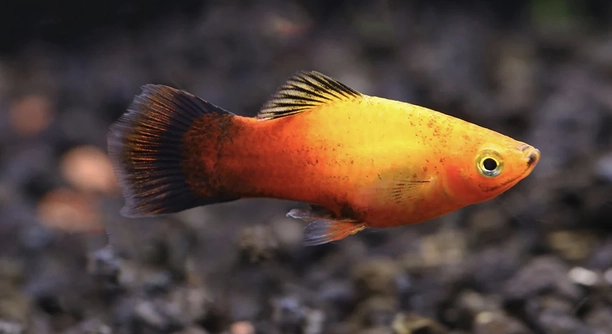
Platies are popular freshwater fish that many enjoy keeping in home aquariums. Their vibrant colors and peaceful nature make them a favorite choice. Feeding them the right type and amount of food is essential for their health and well-being.
Platies should be fed live food two to three times per week in small portions. Overfeeding can lead to water quality issues and health problems, so it is important to monitor their intake and adjust feeding frequency accordingly.
Knowing the right feeding routine can improve your platies’ vitality and keep your aquarium environment balanced and healthy.
Why Live Food Is Beneficial for Platies
Live food provides essential nutrients that help platies thrive. It offers more protein and variety compared to dry flakes or pellets. Many live foods, like brine shrimp and daphnia, encourage natural hunting behavior, which keeps platies active and engaged. This stimulation is important for their overall health. Live food also improves digestion and supports better coloration, making platies look more vibrant. Introducing live food occasionally helps diversify their diet and prevents nutritional deficiencies. However, it’s important to source live food from reliable places to avoid introducing diseases into the tank. Properly rinsing or culturing live food at home can reduce risks. Live feeding complements other food types and should not completely replace balanced flakes or pellets. Incorporating live food in moderation creates a healthier, more natural environment for your platies to enjoy.
Feeding live food twice a week ensures platies receive necessary nutrients without overfeeding.
Balancing live food with regular meals promotes healthy growth and keeps platies energetic. It also prevents common issues like bloating and poor water quality caused by leftover food. By observing how much your platies eat, you can adjust feeding amounts to meet their needs without excess. This approach helps maintain stable tank conditions and supports long-term fish health.
Signs You Are Overfeeding Live Food
Overfeeding live food can lead to poor water conditions and health problems. Uneaten live food can decay and increase harmful bacteria levels, affecting water quality. If your platies seem lethargic or show bloating, you may be feeding too much. Monitoring their feeding habits helps avoid these problems and keeps your aquarium clean.
Excess food in the tank breaks down, causing ammonia spikes and stressing your fish.
To prevent overfeeding, offer small amounts of live food that your platies can consume within a few minutes. Remove any uneaten food promptly to avoid contamination. Observing how eagerly your fish eat can guide how much you provide. Regular water testing also helps detect any issues early, keeping your tank safe and healthy. This careful management benefits both your platies and the aquarium ecosystem.
Choosing the Right Live Food for Platies
Not all live foods are equally beneficial for platies. Common options include brine shrimp, daphnia, and bloodworms. Each offers different nutritional benefits and levels of ease in feeding. It’s important to choose live foods that suit your platies’ size and dietary needs to avoid waste or health issues.
Brine shrimp are excellent for young platies due to their small size and high protein content. Daphnia helps with digestion and provides a good source of fiber. Bloodworms are rich in nutrients but should be given sparingly as a treat because they are high in fat. Mixing these options keeps the diet varied and balanced. Always observe your fish’s reaction to new live foods to ensure they accept and thrive on them.
Introducing live food gradually prevents stress and digestive issues. Proper portion control and variety improve your platies’ health and longevity. Feeding live food that matches their size also reduces uneaten leftovers, keeping the tank cleaner.
How to Prepare Live Food Safely
Live food can carry bacteria or parasites if not handled properly. Rinsing live food in clean water before feeding helps reduce contamination risks. Culturing your own live food at home ensures freshness and safety but requires attention to hygiene and water quality.
Buying live food from reputable sources is important to avoid introducing harmful organisms. Quarantining live food before feeding can also help reduce risks. Storing live food properly, in well-maintained containers with good aeration and temperature control, keeps it healthy and nutritious. Avoid overfeeding live food to prevent water pollution. Regular tank maintenance complements safe live feeding practices, protecting your platies from illness and stress. Taking these precautions helps maintain a healthy aquarium environment and supports your fish’s well-being.
Feeding Frequency and Tank Cleanliness
Feeding live food too often can cause leftover debris to accumulate. This buildup affects water quality and can harm platies. Keeping a regular feeding schedule helps avoid this problem and maintains a healthy tank environment.
Consistent cleaning after feeding removes uneaten live food. This practice supports clear water and reduces harmful bacteria growth. Monitoring your feeding routine makes tank maintenance easier and ensures your fish stay healthy.
Signs Your Platies Need More Live Food
If platies become less active or lose color, they might need more live food. These changes can indicate a lack of essential nutrients found in live diets. Increasing live food feeding can improve their energy and vibrancy.
Alternatives to Live Food
Frozen or freeze-dried options like brine shrimp and bloodworms can substitute live food. These alternatives provide similar nutrients and are safer regarding contamination. They are convenient and easier to store while still offering a good dietary boost.
Adjusting Feeding Based on Fish Behavior
Watch how eagerly your platies eat and adjust live food amounts accordingly. Changes in appetite often reflect health or environmental factors. Feeding habits can guide you in maintaining the right balance.
FAQ
How often should platies be fed live food?
Platies should generally be fed live food two to three times a week. This frequency provides them with essential nutrients without overloading the tank or risking poor water quality. Feeding live food too often can lead to leftover food, which decomposes and harms the aquarium environment. The key is moderation—offering small portions that your platies can consume within a few minutes ensures they get the nutrition they need without excess waste.
Can platies eat live food every day?
Feeding live food every day is not recommended. Daily live feeding can cause overfeeding problems, including water pollution and health issues like bloating or digestive upset. It’s better to balance live food with regular flakes or pellets on other days. This variety keeps their diet balanced and reduces the risk of nutrient imbalances or tank contamination from uneaten food.
What types of live food are best for platies?
Brine shrimp, daphnia, and bloodworms are common live foods that suit platies well. Brine shrimp are great for young fish due to their small size and protein content. Daphnia offers fiber that aids digestion, while bloodworms are nutrient-dense but should be fed occasionally as a treat. Mixing these foods helps maintain a varied and balanced diet, which supports growth, color, and activity.
Is it necessary to rinse live food before feeding?
Yes, rinsing live food is important to reduce contaminants or unwanted bacteria that could harm your fish. Rinse the live food in clean, dechlorinated water before adding it to the tank. This step lowers the chance of introducing diseases or parasites into your aquarium. If you culture live food at home, keep the culture clean and change the water regularly.
Can live food cause diseases in platies?
Live food can carry bacteria, parasites, or other pathogens if it is not handled or sourced properly. Buying live food from reputable suppliers and rinsing or quarantining it before feeding reduces this risk. Culturing your own live food with good hygiene practices also lowers the chance of disease transmission. Keeping a clean tank and maintaining water quality further protects your platies from infections.
How do I know if I am overfeeding live food?
Signs of overfeeding include uneaten live food sinking to the tank bottom, cloudy water, and platies appearing lethargic or bloated. Overfeeding can increase harmful ammonia levels, stressing the fish. To avoid this, feed only what platies can eat in a few minutes and remove any leftovers. Regular water testing and tank maintenance help prevent issues related to overfeeding.
Can I replace all platy food with live food?
Live food should not completely replace flakes or pellets. While it provides excellent nutrition and encourages natural behaviors, platies need a balanced diet that includes processed foods for vitamins and minerals. Combining live food with high-quality flakes or pellets ensures a complete diet and promotes long-term health.
Are frozen or freeze-dried live foods as good as fresh live food?
Frozen and freeze-dried live foods can be good alternatives to fresh live food. They retain most nutrients and are less likely to introduce contaminants. These options are convenient and have a longer shelf life. However, some nutritional loss can occur during processing, so it’s beneficial to rotate these foods with fresh live options when possible.
How should I store live food?
Store live food in aerated containers with clean, dechlorinated water at appropriate temperatures to keep it healthy. Avoid overcrowding and remove dead organisms promptly. Proper storage maintains the food’s nutritional value and reduces contamination risks. Regular water changes in the storage container also help maintain water quality for live food.
What is the best time of day to feed live food?
Feeding live food during the day when platies are most active helps ensure they consume the food quickly. Morning or early afternoon feedings are ideal, as platies tend to be more alert and less stressed. Avoid feeding live food late in the evening to reduce the risk of uneaten food decomposing overnight and harming water quality.
Platies are lively and colorful fish that benefit from a well-balanced diet. Including live food in their feeding routine can improve their health, appearance, and activity levels. Feeding live food two to three times a week provides essential nutrients that flakes or pellets alone may not supply. It also encourages natural hunting behaviors, keeping platies mentally and physically stimulated. However, it is important to feed live food in moderation to avoid common problems such as poor water quality and overfeeding.
Proper preparation and handling of live food are key to maintaining a safe aquarium environment. Rinsing live food before feeding helps reduce the risk of introducing harmful bacteria or parasites. If you culture live food at home, make sure to keep the culture clean and healthy. Buying live food from trusted sources is also important to minimize contamination. Along with a good feeding routine, regular tank cleaning and water testing are essential to keep your platies healthy and happy.
Balancing live food with other types of food like flakes and pellets ensures your platies receive a complete diet. Observing your fish’s behavior and appetite will help you adjust feeding amounts and frequency as needed. Avoid feeding live food every day to prevent digestive issues and water pollution. By following these guidelines, you can support your platies’ well-being and enjoy their vibrant colors and playful nature for a long time.

Hello,
If you enjoy the content that we create, please consider saying a "Thank You!" by leaving a tip.
Every little bit helps us continue crafting quality advice that supports the health, happiness, and well-being of pets around the world, for pets of all shapes, sizes, and species.
We really appreciate the kindness and support that you show us!