
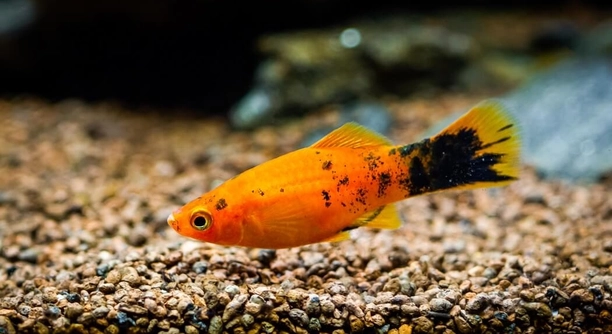
Are your platies swimming in circles or spinning around more than usual, leaving you unsure if something is wrong with them?
Platies that keep spinning are often showing signs of a serious health issue, typically related to swim bladder disorder, parasitic infections, or neurological damage. These symptoms require immediate attention to prevent long-term harm or potential death.
This behavior may seem odd at first, but understanding the causes can help you provide the right care and support for your fish.
Common Causes of Spinning in Platies
Spinning behavior in platies is usually linked to swim bladder issues, parasitic infections, or nerve damage. The swim bladder helps fish stay balanced, and when it’s not working properly, swimming becomes difficult. Poor water quality, overfeeding, or physical injury can cause this. Parasites like whirling disease affect the nervous system, causing fish to lose control of their movements. Internal bacterial infections or exposure to toxic chemicals can also be responsible. If your platy is spinning, take it seriously. Acting early improves the chances of recovery. Always check for other symptoms like loss of appetite, bloating, or rapid breathing.
Swim bladder problems are the most common and are usually caused by diet, constipation, or poor water conditions.
If parasites are involved, the spinning often appears suddenly and may worsen quickly. Treating this may require medication. Bacterial infections, on the other hand, develop more slowly and can be harder to detect until symptoms worsen. Clean water and a balanced diet play a big role in prevention. Spinning caused by neurological damage may not be reversible, but improving the tank environment and reducing stress might help. To protect your platies, keep the tank clean, don’t overcrowd it, and avoid sudden temperature changes. Always isolate new fish before adding them to your main tank.
How to Help a Spinning Platy
Start by testing your tank water. Ammonia, nitrite, and pH levels that are too high or too low can stress your fish and cause symptoms.
Once you’ve ruled out poor water quality, reduce feeding for a day or two and offer boiled, skinned peas to ease digestion. If there’s no improvement, it could be a bacterial or parasitic infection. In that case, move the platy to a hospital tank and begin treatment with aquarium salt or medication recommended for swim bladder or internal parasites. Observe for changes within 48 hours. Keeping the water clean during treatment is important—change small amounts daily and monitor temperature closely. If your platy starts eating and swimming normally again, slowly reintroduce it to the main tank. If the behavior continues, the damage may be permanent. Still, a calm, well-maintained tank can improve quality of life. Prevention always works better than cure, so be consistent with care and act quickly when you see early signs.
Signs to Watch For
Spinning is usually just one part of the problem. Platies may also float oddly, sink to the bottom, or struggle to stay upright. Loss of appetite, clamped fins, or sudden hiding behavior can show something deeper is going on.
These signs are often tied to internal stress or illness. If your platy floats to the top uncontrollably, sinks and lays still, or twists while swimming, it likely has a swim bladder issue. If the fish swims in tight, rapid circles, a parasite may be affecting its nervous system. Clamped fins and staying still for long periods are usually early warnings. Sometimes, the platy may eat less or spit food out. This, combined with other symptoms, points to digestive or internal trouble. Pay attention to how the fish interacts with others—staying apart or hiding more can also show it’s feeling unwell or overwhelmed by tank conditions.
Physical signs also offer important clues. A bloated belly, curved spine, or sudden weight loss are often visible once the problem progresses. If you notice changes in skin color, ragged fins, or rapid breathing, take action. Check water quality first, then isolate the fish if needed. Writing down symptoms and how often they occur helps track patterns and improve treatment choices.
When to Seek Professional Help
Home treatment helps with mild issues, but when spinning worsens or returns quickly, it’s time to consult a vet or experienced aquarist. Delaying care can reduce the chances of recovery.
Persistent spinning, lack of appetite, or signs of distress even after treating water quality and trying basic remedies are reasons to seek expert help. A fish vet or aquatic specialist may run tests or recommend prescription-strength medication. Many local aquarium shops also have trained staff who can suggest next steps. If several fish show similar symptoms, it could be a parasite spreading through the tank. A professional can guide you through treating the entire tank safely without harming healthy fish. Catching the issue early gives your platy the best chance to recover and prevents further stress. Don’t feel discouraged—some problems need outside help to be solved properly, and you’re doing the right thing by taking action.
Preventive Care Tips
Feed your platies a balanced diet and avoid overfeeding. Uneaten food can rot and pollute the water, leading to illness. Stick to high-quality flakes or pellets and occasionally offer peas or blanched vegetables to aid digestion.
Change 25% of the tank water weekly and test it often. Keep the temperature stable and avoid overcrowding. A clean, low-stress environment supports overall health and reduces the risk of spinning and other health issues.
Choosing the Right Medication
Treating spinning behavior depends on the cause. If it’s related to parasites, look for medications containing praziquantel or metronidazole. For bacterial infections, erythromycin or kanamycin may help. Always move the affected fish to a separate tank before starting treatment. Read all instructions carefully, and never combine medications unless a vet advises. Aquarium salt can offer mild relief, especially for swim bladder symptoms, but it won’t treat parasites or bacteria. Observe your platy closely during treatment—if symptoms worsen, stop and reassess. Some medications can stress the fish further, so using the right one early makes a big difference in recovery.
Keep Stress Levels Low
Avoid tapping the tank or making sudden changes in lighting, temperature, or water flow. Stress can worsen symptoms and slow down healing. Keep the environment calm and consistent.
FAQ
Why is my platy swimming in circles nonstop?
Nonstop circular swimming is often a sign of stress, a parasitic infection, or swim bladder disorder. If it happens suddenly, parasites like whirling disease could be affecting the fish’s brain or spine. If your platy also shows signs like poor balance, twitching, or loss of appetite, this may point to something internal. Check water parameters immediately, reduce stress in the tank, and observe the behavior closely. If the issue continues, move the fish to a separate tank and start treatment for internal parasites or bacterial infections based on symptoms.
Can swim bladder disorder go away on its own?
Mild swim bladder issues can sometimes clear up with proper care. Overfeeding or constipation is a common cause and can be managed by fasting the platy for 24–48 hours, then feeding a skinned pea to help digestion. If the fish responds well, there’s usually no need for medication. However, if the fish stays tilted, sinks, or floats upside down for several days, medical treatment may be needed. Clean water, balanced feeding, and stress control help prevent this from returning.
Is spinning behavior painful for the fish?
While fish can’t express pain like humans, spinning is not normal and usually means your platy is distressed or suffering. It can be exhausting and dangerous, especially if it keeps the fish from reaching food or avoiding other tank mates. Over time, spinning can lead to injuries or weakness. If left untreated, the condition can get worse and affect the fish’s overall health. Addressing the problem quickly improves comfort and reduces long-term harm.
Should I separate a spinning platy from the rest of the tank?
Yes, isolating the affected fish is important. It allows you to monitor its symptoms more closely and prevents potential infections from spreading. Use a hospital tank with clean, dechlorinated water and consistent temperature. Limit strong water currents and reduce noise. While in isolation, you can try treatments more effectively and make sure the fish isn’t being picked on by others in the main tank. If the issue is not contagious, you can reintroduce the fish once it recovers.
What should I feed a platy with swim bladder issues?
Feed easy-to-digest foods like skinned peas, daphnia, or high-quality sinking pellets. Avoid floating flakes or pellets as they can cause gulping of air, which worsens swim bladder symptoms. Feed small amounts once or twice a day, and skip feeding for a day or two if the fish looks bloated. Watch how the platy reacts—if it struggles to reach the food, lower it gently using tweezers or turn off filters briefly so food settles where it’s reachable.
Is spinning always caused by illness?
No, spinning isn’t always caused by sickness. Sometimes, fish spin when playing, chasing others, or reacting to new surroundings. If the behavior is brief and the fish returns to normal swimming, it’s likely not serious. But if the spinning continues or happens with other signs—like clamped fins, bloating, or hiding—then it’s time to look deeper. Most of the time, ongoing spinning points to an internal problem or stress, not simple behavior.
Can poor tank setup cause spinning?
Yes, poor water conditions, unstable temperatures, and overcrowding can all contribute to stress and physical symptoms, including spinning. A dirty tank increases ammonia and nitrite levels, which can damage the fish’s organs and swim bladder. Strong filters or uneven current may also push small fish off balance. Make sure the tank is stable—keep it clean, avoid sudden changes, and provide hiding spots to reduce stress. A well-maintained tank supports healthy behavior.
How long does it take for a platy to recover?
Recovery time depends on the cause. If it’s a minor swim bladder issue from overfeeding, recovery can happen in a day or two. Infections may take up to two weeks to clear with treatment. Neurological damage or severe cases may be permanent, though symptoms can sometimes be managed with proper care. Be patient and monitor the fish daily—watch for steady improvement. If the fish is eating and swimming more normally, that’s a good sign of healing.
Is medication always needed for spinning fish?
Not always. Some cases improve with simple fixes like fasting, adjusting the diet, or cleaning the tank. If symptoms don’t go away or worsen, medication may be needed. Use only what fits the cause—don’t mix treatments without checking first. Overmedicating can harm your fish and affect other tank mates. When unsure, ask a vet or an experienced aquarium specialist before starting medication. Always observe how the fish responds and stop treatment if side effects appear.
Final Thoughts
Spinning in platies can be upsetting to watch, especially when you’re not sure what’s causing it. This behavior is usually a sign that something isn’t right inside the tank or with the fish’s health. In many cases, it’s linked to swim bladder problems, internal parasites, infections, or damage to the nervous system. These issues often show up along with other signs, like trouble swimming, bloating, or loss of appetite. Understanding the possible causes helps you respond faster and more effectively. Even if the spinning seems minor at first, it’s still important to take action before the condition worsens.
Taking a close look at your tank setup and water quality is one of the first steps to solving the issue. Keeping the water clean, feeding a balanced diet, and avoiding overcrowding are all simple but important ways to prevent health problems. If you notice symptoms early and respond with proper care or medication, many platies can recover and return to normal behavior. However, some conditions may not go away completely, especially if nerve damage is involved. In those cases, keeping the fish in a peaceful, low-stress environment can still improve its quality of life. Not every spinning fish can be “fixed,” but with patience, you can still make it comfortable.
It’s also important to remember that you don’t have to solve everything on your own. If your platy continues spinning after water changes, fasting, or basic treatments, reaching out to a vet or someone experienced with fish care is a smart move. They can help you figure out what’s really going on and suggest better solutions. Watching your fish closely, keeping a clean tank, and reacting quickly when something feels off are all part of responsible fishkeeping. It’s never easy to see a fish struggle, but with time, care, and the right steps, you can often improve the situation or prevent it from happening again.

Hello,
If you enjoy the content that we create, please consider saying a "Thank You!" by leaving a tip.
Every little bit helps us continue crafting quality advice that supports the health, happiness, and well-being of pets around the world, for pets of all shapes, sizes, and species.
We really appreciate the kindness and support that you show us!