
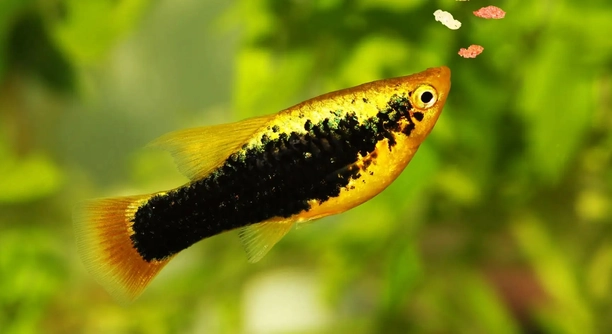
Many platy owners notice their fish gathering near the aquarium heater. This behavior can seem unusual at first, especially when the fish cluster tightly in one spot. Understanding why this happens can help maintain a healthier environment for your platies.
Platies group near the heater primarily because they seek warmth. Being tropical fish, they prefer stable, warmer water temperatures. The heater creates a localized warm zone, making it an attractive area when the surrounding water is cooler or fluctuating.
Observing this behavior can provide insights into your aquarium’s temperature balance and overall fish comfort. This article explores the reasons and what to consider for your platies’ well-being.
Why Platies Seek Warmth Near the Heater
Platies are tropical fish that thrive in warmer waters, typically between 72 and 78 degrees Fahrenheit. When the aquarium water drops below their preferred temperature, they instinctively move closer to the heater to stay comfortable. This behavior helps regulate their body temperature, ensuring proper metabolism and activity levels. If your heater is set correctly but the tank still has cooler spots, platies will cluster around the heater to avoid stress. Uneven heating or drafts near the aquarium can also cause temperature fluctuations, prompting the fish to gather near the warmest area. It is important to monitor your tank’s temperature with a reliable thermometer and make sure the heater is functioning well. Proper circulation can help distribute heat evenly, reducing the need for your platies to group tightly in one spot.
Regular temperature checks can prevent health issues linked to cold water exposure.
Keeping the water temperature consistent benefits all tank inhabitants. Proper heater placement and water flow reduce temperature zones, making your aquarium a more comfortable home for your platies. Ensuring a stable environment helps them stay active, healthy, and stress-free.
Possible Health Concerns Related to Clustering
Clustering near the heater can sometimes signal health problems or water quality issues. If platies show lethargy, loss of appetite, or unusual swimming patterns, it might mean the tank conditions need attention. Poor water quality, including high ammonia or nitrite levels, can cause stress, leading fish to seek warmth as a coping mechanism. Additionally, parasites or infections may make fish feel weak and more likely to gather in warmer areas to boost their immune response. Regular water testing and tank maintenance are crucial to prevent these problems. Ensuring good filtration and performing frequent water changes keep the environment safe. If illness is suspected, consult care guidelines or a specialist for treatment options. Taking early action can improve your platies’ chances of recovery and reduce clustering caused by stress or disease.
Adjusting Aquarium Conditions
Keeping the aquarium temperature steady is essential for your platies’ comfort. Avoid sudden drops or spikes that encourage clustering near the heater.
A good heater and thermometer help maintain the right temperature range. Position the heater where water flow spreads heat evenly throughout the tank. Avoid placing it in corners or areas with low circulation, as this creates temperature layers. Using a water pump or filter that promotes circulation can balance temperature differences, reducing the need for your fish to gather near the heater. Regularly monitor the water temperature to catch any fluctuations early.
Also, check the room’s temperature around the aquarium. Drafts or cold rooms can lower the tank’s water temperature. Insulating the tank or moving it away from windows or air vents can help maintain a stable environment. Small adjustments to the tank’s placement can make a big difference in keeping your platies comfortable and active.
Signs That Something Is Wrong
If your platies cling to the heater for extended periods, it may indicate stress or illness. Watch for other symptoms like faded colors or erratic swimming.
Health issues can increase their need for warmth. Poor water quality is a common cause of stress in fish, leading them to seek warmer areas. Test your water regularly for ammonia, nitrites, nitrates, and pH levels to ensure the tank is healthy. Poor filtration or infrequent water changes often cause these problems. When water conditions are ideal, platies are less likely to crowd near the heater, showing more natural and active behavior. Keeping your tank clean and stable improves your fish’s overall well-being.
Monitoring Water Temperature Regularly
Checking the water temperature daily helps catch issues before they affect your platies. Use a reliable thermometer and observe any sudden changes.
Consistent temperature monitoring allows you to adjust the heater or tank conditions promptly. This practice keeps your fish comfortable and reduces clustering behavior near the heater.
Importance of Proper Heater Maintenance
Regularly inspect your heater for signs of damage or malfunction. A faulty heater can cause temperature fluctuations that stress your fish.
Cleaning the heater and its components prevents buildup that may reduce efficiency. Replace or repair it if temperature readings become inconsistent. Proper maintenance ensures a stable environment for your platies to thrive.
Using Aquarium Accessories to Improve Circulation
Adding a small water pump or filter improves heat distribution throughout the tank. This reduces cold spots that cause platies to gather near the heater.
Good circulation supports oxygen levels and helps maintain even water temperature, promoting healthier, more active fish.
Observing Fish Behavior Beyond Clustering
Pay attention to overall activity and interaction among your platies. Changes can indicate health or environmental issues needing attention.
FAQ
Why do my platies always stay near the heater even when the water feels warm?
Sometimes, the water temperature might seem warm to us, but for platies, slight differences matter a lot. If the heater area is the warmest spot, they’ll naturally prefer it. It may also be where they feel safest or less stressed, especially if the rest of the tank is cooler or has poor circulation.
Can clustering near the heater harm my platies?
Clustering itself usually doesn’t harm platies, but it can be a sign of uneven water temperature or stress. If they stay crowded for long periods, it might increase competition for space and oxygen. Also, poor circulation near the heater can lower oxygen levels. Keeping the tank balanced reduces these risks.
How can I tell if my heater is working properly?
A reliable aquarium thermometer is key. Check the temperature daily and compare it to the heater’s set point. If the temperature fluctuates significantly or doesn’t match the heater’s setting, the heater might need cleaning, repositioning, or replacement.
Is it normal for platies to change color when they stay near the heater?
Platies can change color slightly based on stress, temperature, or health. Staying near the heater may cause temporary color changes due to heat or stress, but if the change is drastic or accompanied by other symptoms, it’s worth checking water quality and health conditions.
Can water quality affect why platies cluster near the heater?
Yes. Poor water quality causes stress, making platies seek the warmest and safest spot. Ammonia, nitrite, or nitrate spikes can cause discomfort. Regular water tests and maintenance help keep the environment stable, so clustering near the heater happens less.
Should I lower the heater temperature if my platies cluster around it?
Lowering the heater temperature without knowing the tank’s overall temperature might cause more harm. Instead, focus on keeping the water temperature stable and consistent throughout the tank. Use better circulation to spread heat evenly, which reduces clustering.
How often should I clean or replace my heater?
Clean the heater monthly to prevent buildup, which can affect its function. Replacement depends on the model’s lifespan—usually every 1 to 3 years. Watch for signs like inconsistent heating or physical damage.
Can adding plants or decorations help reduce clustering near the heater?
Yes, plants and decorations provide hiding spots and resting areas away from the heater. This helps platies feel safe and distributed around the tank. Live plants also improve water quality, which supports healthier fish.
Does the size of the tank affect platies clustering near the heater?
In smaller tanks, temperature can fluctuate more, causing platies to group near the heater for warmth. Larger tanks often have more stable temperatures, but poor circulation can still create cold spots. Proper equipment and placement help in both cases.
What is the ideal temperature range for platies?
Platies prefer water between 72°F and 78°F. Keeping the tank within this range ensures their comfort, activity, and health. Temperatures outside this range may cause stress, leading to clustering behavior near warmer areas.
Platies are small tropical fish that enjoy warm, stable environments. When they group near the heater, it is usually a sign they are seeking comfort in the warmer water. This behavior is natural and shows their preference for consistent temperatures that support their health. However, if you notice they are clustering tightly for long periods, it might indicate something more that needs your attention. Temperature fluctuations, poor water quality, or even illness can cause this behavior. Paying close attention to your tank’s conditions will help you understand your platies’ needs better.
Maintaining a proper environment for platies requires regular monitoring of water temperature and quality. Using a reliable heater and thermometer ensures the water stays within the ideal range of 72 to 78 degrees Fahrenheit. Equally important is making sure the heat is evenly spread throughout the tank. Proper water circulation helps avoid cold spots that encourage fish to cluster around the heater. Additionally, cleaning the tank regularly and performing water tests keep harmful chemicals at safe levels. These simple steps reduce stress on your fish and help them stay active and healthy.
Watching your platies’ behavior over time is a useful way to detect problems early. If they suddenly start gathering near the heater more than usual, check the tank’s temperature and water quality. Look for other signs like changes in color, appetite, or movement, which can point to health issues. Small adjustments to heater placement, water flow, or cleaning routines often solve these problems. Creating a stable and comfortable environment allows your platies to thrive and enjoy a peaceful home.

Hello,
If you enjoy the content that we create, please consider saying a "Thank You!" by leaving a tip.
Every little bit helps us continue crafting quality advice that supports the health, happiness, and well-being of pets around the world, for pets of all shapes, sizes, and species.
We really appreciate the kindness and support that you show us!