
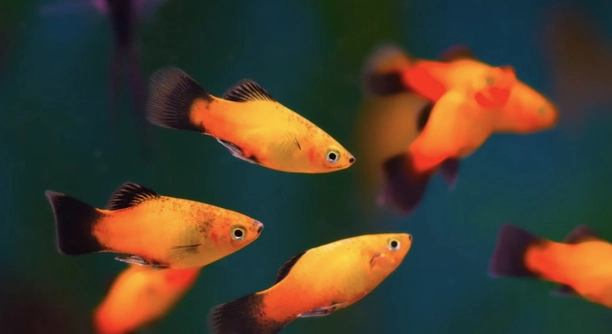
Many aquarium hobbyists enjoy keeping platies for their vibrant colors and peaceful nature. These small fish are often seen swimming in groups, but some owners may choose to keep only one. Understanding how a single platy behaves can help improve its care.
Platies are social fish that naturally thrive in groups, so bonding with a single platy is limited. While it may recognize its owner and show some comfort, true social bonding requires companionship of its own species to encourage natural behaviors.
Learning about the social needs of platies can improve their well-being and help you create a more suitable environment for your pet fish.
Understanding Platy Social Behavior
Platies are naturally schooling fish, meaning they feel safest and most comfortable when kept in groups. In the wild, they swim alongside others, which helps reduce stress and promotes natural behaviors. When kept alone, a single platy may become shy or inactive, as it lacks the social interaction it needs. While some owners notice their single platy becoming accustomed to their presence, this is not the same as bonding in the way social fish bond with each other. The absence of tank mates can lead to boredom and a less active fish. Providing enrichment, such as plants and hiding spots, can help stimulate a single platy, but it cannot replace the benefits of companionship. Overall, platies thrive best when housed with others of their kind, ideally three or more, to maintain a healthy social environment.
Social interaction is crucial for platies to exhibit natural behaviors and stay active.
Even though a single platy can adapt to living alone, it is important to understand that their well-being depends heavily on social contact. Without it, they may not display their full range of behaviors or colors. This can affect their overall health. To provide the best care, it is recommended to keep multiple platies together, as they naturally form social bonds. If space or tank size limits the number of fish, it is still better to have at least two to support social behavior. Adding plants and decorations also helps create a stimulating environment. Observing how platies interact can give insight into their needs and help maintain a happy, healthy tank.
How to Care for a Single Platy
Caring for a single platy requires attention to its environment to reduce stress and maintain health.
A single platy needs extra environmental enrichment to compensate for the lack of social interaction. This includes live or artificial plants, hiding spaces, and varied tank decorations to keep it engaged. Proper water quality and regular feeding are essential, as stress from loneliness can affect its immune system. Monitoring the fish’s behavior can help identify signs of boredom or illness early. Adjusting lighting and maintaining stable water temperature also contribute to a comfortable habitat. While a single platy may not bond socially, it can still recognize its caretaker over time, especially during feeding. Interaction through gentle movements near the tank can provide some stimulation. Overall, focused care and a well-maintained tank environment are necessary to support a single platy’s health and well-being.
Signs Your Single Platy Is Comfortable
A single platy that is comfortable will swim actively and explore its environment regularly. It will show bright coloration and respond to changes around the tank. Eating well and resting calmly are also good signs of comfort and health in a solitary platy.
Observing your platy’s behavior is important. If it frequently hides or stays still at the bottom of the tank, this might indicate stress or loneliness. Comfortable platies tend to interact with their surroundings and sometimes follow movement outside the tank, such as your hand or shadows. Bright colors also suggest the fish is healthy and at ease. Make sure to keep the water clean and stable, as poor water quality can make even a normally active fish lethargic.
Creating a quiet, stable environment helps your platy feel safe. Avoid sudden loud noises or rapid lighting changes that could frighten it. This care allows the fish to maintain natural behavior patterns, even when kept alone.
Enriching a Single Platy’s Environment
Adding plants, rocks, and decorations provides stimulation for a single platy. These elements create hiding spots and encourage exploration, reducing boredom. Live plants also improve water quality by absorbing nitrates.
Varying the environment keeps the fish engaged. Rearranging tank decorations occasionally offers new challenges, which can promote physical activity. Floating plants or gentle water flow can mimic natural habitats, supporting mental health. A well-decorated tank helps the platy feel more secure and reduces stress, which is critical for fish kept without companions. Additionally, using a varied diet with occasional treats enriches daily care and supports vibrant coloration. These efforts help maintain a healthy and active platy despite being alone.
Feeding a Single Platy
A single platy should be fed a balanced diet that includes high-quality flakes or pellets. Supplementing with live or frozen foods like brine shrimp or bloodworms provides essential nutrients and variety.
Feeding small amounts two to three times daily helps maintain water quality and prevents overfeeding. Watch how much your platy eats to avoid leftover food that can pollute the tank.
Tank Size Recommendations
A minimum tank size of 10 gallons is recommended for a single platy. This provides enough space for swimming and allows room for plants and decorations that enrich its environment.
Water Parameters to Maintain
Stable water conditions are critical for platies. The ideal temperature range is 70 to 78°F, with a pH between 6.8 and 8.0. Regular water changes help keep ammonia and nitrate levels low.
Interaction Limits with a Single Platy
While a single platy may recognize its caretaker and respond to feeding, it will not seek interaction like social fish do. Interaction should be gentle and limited to avoid causing stress.
Can a single platy survive alone without other fish?
Yes, a single platy can survive alone, but it is not ideal for its well-being. Platies are social fish that naturally swim in groups, so being alone can lead to boredom and stress. While they will eat and live, their behavior may become less active or shy without companions. To promote a healthy and active lifestyle, it is better to keep at least two or more platies together whenever possible.
Will a single platy bond with its owner?
A single platy may become familiar with its owner and recognize feeding routines, showing some response to movements near the tank. However, this recognition is not the same as bonding. Platies do not form strong social bonds with humans like some other pets. Their main social needs come from interacting with other fish of the same species, which helps them feel safe and engaged.
How can I keep a single platy from getting lonely?
To reduce loneliness, provide plenty of environmental enrichment. Adding live or artificial plants, rocks, and hiding spots encourages exploration and keeps the fish stimulated. Regular tank maintenance and water changes help create a healthy environment. Feeding a varied diet can also add some excitement to their day. While these steps help, they cannot fully replace the companionship platies naturally seek from other fish.
Is it better to keep one platy or a group?
It is better to keep a group of platies rather than a single one. Groups allow them to swim together, display natural behaviors, and reduce stress. Ideally, a small group of at least three or more is recommended. Groups also tend to be more colorful and active, creating a livelier tank. A single platy will not show its full personality and may appear less vibrant or energetic.
What tank size is needed for one platy?
A minimum tank size of 10 gallons is suitable for a single platy. This provides enough space for swimming and allows room for decorations and plants. For groups, larger tanks are necessary to accommodate multiple fish comfortably and maintain good water quality.
How often should I feed a single platy?
Feeding small portions two to three times daily works best. This prevents overfeeding and keeps the water clean. Offer high-quality flakes or pellets, and occasionally supplement with live or frozen foods such as brine shrimp or bloodworms. Observing how much the fish eats will help you adjust the feeding amount.
What water conditions are best for a single platy?
Platies prefer water temperatures between 70 and 78°F and a pH range of 6.8 to 8.0. Stable water parameters are crucial to their health. Regular partial water changes help keep ammonia and nitrate levels low. Using a good filtration system also maintains water quality and reduces stress.
Can a single platy get depressed?
While fish do not experience depression like humans, platies can become stressed or lethargic if kept alone without enough stimulation. Stress can weaken their immune system and affect their health. Providing enrichment and stable water conditions helps prevent these issues.
How do I know if my single platy is stressed?
Signs of stress include hiding for long periods, loss of appetite, faded coloration, and erratic swimming or inactivity. Maintaining good water quality, a varied diet, and environmental enrichment reduces stress. Monitoring your platy regularly will help catch early signs before problems develop.
Is it safe to keep a single platy with other fish species?
Platies are generally peaceful and can live with other non-aggressive fish. However, a single platy may benefit more from companionship of its own kind. Mixing species requires attention to compatibility in behavior, water requirements, and tank size. Always research tank mates carefully to avoid stress or aggression.
How long do platies live alone compared to in groups?
Platies kept alone may have shorter lifespans due to increased stress and lack of stimulation. When kept in groups, they usually live longer and remain more active and healthy. Proper care, including good water quality and nutrition, impacts longevity regardless of social conditions.
Platies are social fish by nature and tend to thrive best when kept in groups. While it is possible for a single platy to live alone, its overall well-being may be affected without companions of its own species. A lone platy may show signs of boredom or stress, which can impact its behavior and health. Providing a proper environment with plants, decorations, and good water quality can help support a single platy, but these measures do not fully replace the benefits of social interaction. Understanding the social needs of platies is important for ensuring they live comfortable, healthy lives.
Caring for a single platy requires more attention to environmental enrichment and maintaining stable water conditions. A tank size of at least 10 gallons offers enough space for the fish to swim and explore. Adding live or artificial plants, hiding spots, and decorations helps keep the fish mentally stimulated. Feeding a balanced diet with occasional treats supports their health and coloration. Monitoring the platy’s behavior regularly can help detect any signs of stress or illness early. While the fish may recognize its caretaker during feeding, this recognition should not be confused with social bonding.
In summary, a single platy can survive and adapt to living alone, but it will not experience the full range of natural behaviors seen in groups. Keeping multiple platies together is recommended for better health and more natural social interactions. If a single platy is the only option, extra care must be taken to enrich its environment and maintain good water quality. These efforts can improve its quality of life but cannot fully substitute for companionship. Knowing these factors helps create a better home for your platy, whether you keep one or many.

Hello,
If you enjoy the content that we create, please consider saying a "Thank You!" by leaving a tip.
Every little bit helps us continue crafting quality advice that supports the health, happiness, and well-being of pets around the world, for pets of all shapes, sizes, and species.
We really appreciate the kindness and support that you show us!