
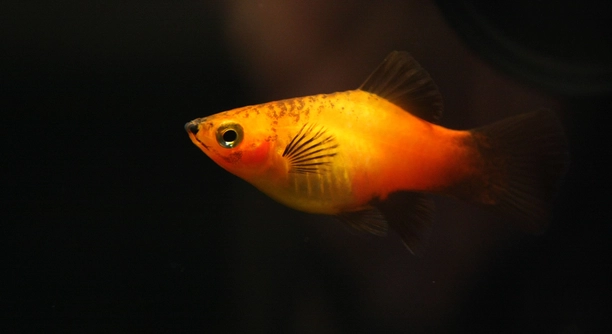
Platies are popular freshwater fish known for their vibrant colors and peaceful nature. Keeping them healthy requires attention to their water environment. Proper water conditions ensure these fish thrive and display their best colors.
Seven key water parameters are essential for platies: temperature, pH, hardness, ammonia, nitrite, nitrate, and oxygen levels. Maintaining these within specific ranges prevents stress, disease, and promotes overall well-being in platies.
Knowing these water parameters helps keep your platies healthy and happy. Understanding their needs supports a stable aquarium environment for your fish.
Temperature Needs for Platies
Platies thrive best in water temperatures between 72 and 78 degrees Fahrenheit (22 to 26 degrees Celsius). Keeping the temperature steady within this range is crucial for their metabolism and immune system. Sudden temperature changes can stress the fish and lead to illness. Using a reliable aquarium heater helps maintain consistent warmth, especially in cooler environments. It is also important to monitor the temperature regularly with a good-quality thermometer. Avoid placing the tank near drafts or direct sunlight, as these can cause fluctuations. Keeping the temperature stable supports the fish’s natural behavior and encourages breeding in healthy conditions.
Maintaining a stable temperature prevents stress and disease in platies. It is a basic but essential part of their care.
A consistent temperature promotes healthy digestion, vibrant coloration, and active swimming. When the water is too cold or too warm, platies may become lethargic or show signs of distress. Proper temperature control is one of the simplest ways to ensure your fish live comfortably and for a long time.
Understanding pH and Hardness
The pH level for platies should be between 7.0 and 8.2, which means the water is neutral to slightly alkaline. Hardness refers to the amount of dissolved minerals, and platies prefer moderately hard water. Both pH and hardness affect how well fish absorb nutrients and regulate bodily functions.
pH and hardness directly influence platies’ health and activity. Stable water chemistry reduces the risk of illness.
Water that is too acidic or too soft can cause stress and weaken the immune system. On the other hand, very hard or alkaline water can harm delicate tissues and organs. Testing these parameters regularly helps maintain a balanced environment. Adjustments can be made by adding minerals or using pH buffers to achieve the ideal range. Paying close attention to pH and hardness ensures that platies remain active, feed well, and grow properly over time.
Ammonia and Nitrite Levels
Ammonia and nitrite must always be kept at zero in a platy tank. Even small amounts can be harmful.
Both ammonia and nitrite are toxic byproducts of fish waste and uneaten food. They disrupt oxygen transport in fish blood, causing stress and damage to gills and organs. Regular water changes and a well-established biological filter are essential to control these compounds. Testing the water frequently allows early detection and prevents toxic buildup. If levels rise, immediate partial water changes are necessary. Avoid overcrowding to reduce waste production and maintain a healthy balance. Keeping ammonia and nitrite at zero ensures a safe environment where platies can flourish.
Biological filtration relies on beneficial bacteria to convert ammonia into nitrite, and then into less harmful nitrate. Establishing this cycle takes time, so newly set-up tanks require careful monitoring. Using commercial bacterial supplements can speed this process. Patience during cycling helps prevent dangerous spikes. Proper tank maintenance, including gravel vacuuming and filter cleaning, supports this balance. Ammonia and nitrite control is vital for preventing sudden fish loss and maintaining long-term aquarium health.
Nitrate and Oxygen Levels
Nitrate should be kept below 20 ppm to avoid stress and health issues in platies. Oxygen levels must be sufficient for respiration.
Nitrate is the final product of the nitrogen cycle, less toxic than ammonia and nitrite but harmful in high concentrations. Frequent water changes reduce nitrate buildup. Overfeeding increases nitrate, so careful feeding habits help keep levels low. Oxygen enters the water through surface agitation and plants. Adequate oxygenation supports fish respiration and metabolism. Using air stones or filters that create surface movement improves oxygen levels. Monitoring nitrate and oxygen regularly ensures platies remain active and healthy, avoiding common problems linked to poor water quality.
Ideal Water Flow
Platies prefer gentle water flow in their tank. Strong currents can cause stress and disrupt their natural swimming behavior.
A moderate filter setting that circulates water without creating turbulence is best. This keeps the water clean and oxygenated while allowing platies to swim comfortably.
Consistent Water Changes
Regular water changes are necessary to maintain all water parameters within safe ranges. Changing 20-25% of the water weekly helps remove waste and toxins.
This routine prevents nitrate buildup and replenishes essential minerals. Clean water supports immune health and reduces disease risks. Consistency in water changes is one of the easiest ways to keep platies thriving.
Monitoring Water Quality
Using reliable test kits for all key parameters is essential. Frequent testing allows quick adjustments to prevent harmful conditions.
Testing gives control over the aquarium environment, helping maintain a balanced habitat where platies can grow healthy and strong.
Avoiding Overcrowding
Keeping the number of platies appropriate for tank size is crucial. Overcrowding increases waste and stresses fish.
A balanced population helps maintain water quality and reduces competition for resources, promoting a healthier aquarium overall.
FAQ
What is the ideal temperature range for platies?
Platies thrive best in temperatures between 72 and 78 degrees Fahrenheit (22 to 26 degrees Celsius). Keeping the temperature stable within this range is important to prevent stress and support their immune system. Sudden temperature changes can cause health problems and reduce their lifespan.
How often should I test the water parameters?
Testing the water once a week is recommended, especially for ammonia, nitrite, nitrate, pH, and temperature. More frequent testing might be needed during tank cycling or if fish show signs of stress. Regular testing helps catch problems early and maintain a healthy environment.
Can platies live in slightly acidic water?
Platies prefer neutral to slightly alkaline water, with a pH between 7.0 and 8.2. Water that is too acidic (below 7.0) can cause stress and harm their health. Keeping pH stable in the recommended range is best for their well-being.
What should I do if ammonia or nitrite levels rise?
If ammonia or nitrite levels are above zero, perform an immediate partial water change of 25-50%. Check your filtration system to ensure it is working properly and avoid overfeeding. Adding beneficial bacteria supplements can also help speed up the biological filter’s recovery.
How much water should I change weekly?
Changing 20-25% of the tank water weekly is standard practice. This helps remove toxins like nitrate and refreshes essential minerals. Regular water changes support a stable and healthy environment for platies.
Is hard water good for platies?
Yes, platies prefer moderately hard water. Hardness affects mineral levels, which are important for fish health. Soft water can cause problems with their bodily functions. Testing hardness regularly and adjusting if needed keeps the tank balanced.
How do I maintain proper oxygen levels in the tank?
Oxygen enters the tank through surface agitation and plants. Use an air stone or a filter that creates water movement to improve oxygen levels. Avoid overcrowding the tank, as more fish consume more oxygen.
Can platies tolerate slight fluctuations in water parameters?
Small fluctuations can be tolerated if they are infrequent. However, frequent or large changes in temperature, pH, or hardness cause stress and can weaken the immune system. Keeping parameters stable is key to long-term health.
What signs indicate poor water quality in a platy tank?
Signs include lethargy, loss of appetite, faded colors, gasping at the surface, or unusual swimming patterns. These symptoms often point to problems with ammonia, nitrite, nitrate, or oxygen levels. Testing water quality immediately is necessary.
How many platies can I keep in one tank?
A good rule is one inch of fish per gallon of water. Overcrowding causes waste buildup, stress, and poor water quality. Providing enough space helps platies grow, swim freely, and stay healthy.
Do live plants help maintain water quality?
Yes, live plants absorb nitrates and produce oxygen, improving water quality. They also provide hiding places and reduce stress for platies. Including hardy plants like Java fern or Anubias supports a balanced tank environment.
What filter type works best for platies?
A filter that provides biological, mechanical, and chemical filtration is ideal. It should create gentle water flow to avoid stressing the fish. Hang-on-back or sponge filters are popular choices that offer good filtration without strong currents.
Can platies live with other fish?
Platies are peaceful and can live with other non-aggressive species that share similar water requirements. Avoid keeping them with large or aggressive fish that may bully or eat them.
What happens if nitrate levels get too high?
High nitrate levels (above 20 ppm) can cause stress, weaken the immune system, and lead to illness. Regular water changes and controlling feeding reduce nitrate buildup. Monitoring nitrate is essential to prevent health problems.
How long does it take to cycle a new tank?
Tank cycling usually takes 4 to 6 weeks. This period allows beneficial bacteria to establish and convert ammonia into nitrite, then nitrate. Patience and regular testing during this time protect fish from toxic spikes.
Are temperature fluctuations more harmful than constant high or low temperatures?
Yes, frequent temperature swings are more stressful than stable, slightly out-of-range temperatures. Stability in temperature is critical. Using a reliable heater and avoiding drafts help maintain consistent conditions.
What are the common mistakes in maintaining platy water parameters?
Common mistakes include skipping water tests, irregular water changes, overfeeding, overcrowding, and sudden changes in temperature or pH. Avoiding these mistakes keeps platies healthy and reduces disease risk.
How can I quickly fix high ammonia or nitrite levels?
Perform a large partial water change, reduce feeding, and check filter function. Adding beneficial bacteria supplements can speed recovery. Immediate action prevents serious harm to platies.
Should I use water conditioners when adding new water?
Yes, water conditioners remove chlorine, chloramine, and heavy metals, making tap water safe for fish. Always treat new water before adding it to the tank.
Can platies tolerate tap water without treatment?
Tap water usually contains chlorine or chloramine, which are harmful to fish. Treating tap water with conditioners is necessary to neutralize these chemicals before use.
How often should I clean the aquarium filter?
Clean the filter media every 2 to 4 weeks, but avoid over-cleaning, which can remove beneficial bacteria. Rinse media gently in tank water to preserve these helpful bacteria while removing debris.
What is the best way to acclimate new platies to my tank?
Float the sealed bag in the tank for 15-20 minutes to match temperature. Slowly add small amounts of tank water to the bag over 30 minutes. This reduces stress and helps fish adjust to new water conditions.
Can platies survive without oxygenation devices?
In well-planted tanks with low stocking levels, platies may get enough oxygen naturally. However, using air stones or filters that agitate the water surface is recommended for reliable oxygen supply.
Is it necessary to quarantine new fish before adding them to the main tank?
Quarantining new fish for 2-4 weeks helps detect diseases and prevents spreading infections to your established platies. It is a good practice for maintaining a healthy aquarium.
What should I do if my platies show signs of disease?
Test water parameters first, as poor water quality often causes health issues. Isolate sick fish if possible and treat with appropriate medications. Improving water conditions usually aids recovery.
Are fluctuations in pH more dangerous than steady pH outside the ideal range?
Yes, sudden pH changes cause more stress than a stable pH that is slightly off ideal. Keeping pH consistent is better than allowing frequent shifts, even if the level is not perfect.
How do I know when my tank is fully cycled?
Ammonia and nitrite levels drop to zero, and nitrate begins to appear. This indicates beneficial bacteria are established. Testing water daily during cycling confirms when the process is complete.
Proper care of platies relies heavily on maintaining the right water parameters. These fish are sensitive to changes in their environment, so keeping factors like temperature, pH, hardness, and chemical levels stable is crucial. Paying attention to these details helps prevent stress and illness, allowing platies to live healthier and longer lives. Even small changes can affect their well-being, so regular monitoring and adjustments are necessary parts of responsible fishkeeping.
Consistent water changes and good filtration support the balance needed for a thriving aquarium. Removing waste and toxins prevents harmful buildup of ammonia, nitrite, and nitrate. A healthy tank environment encourages natural behavior and vibrant colors in platies. Equally important is avoiding overcrowding and ensuring proper oxygen levels through surface agitation or aeration. These combined efforts create a comfortable and safe home for the fish, reducing the chance of disease and promoting growth.
Understanding the specific needs of platies simplifies their care and helps prevent common problems. Testing water regularly and acting quickly when something is off are effective ways to maintain stability. While it may require some time and effort, the results are worth it. Healthy water conditions contribute directly to the happiness and longevity of platies, making the aquarium experience more rewarding for both the fish and their caretaker.

Hello,
If you enjoy the content that we create, please consider saying a "Thank You!" by leaving a tip.
Every little bit helps us continue crafting quality advice that supports the health, happiness, and well-being of pets around the world, for pets of all shapes, sizes, and species.
We really appreciate the kindness and support that you show us!