
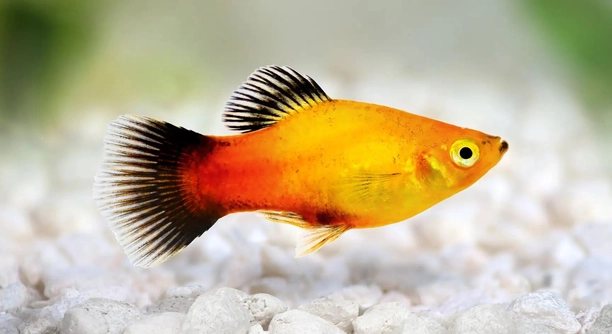
Platies are popular freshwater fish known for their bright colors and peaceful nature. Many hobbyists enjoy keeping them in community tanks. Understanding when platies are ready to accept new mates is important for maintaining a healthy environment and successful breeding.
Platies show readiness for new mates through specific behaviors and physical signs, such as active swimming, clear health, and absence of aggression. Proper tank conditions and observation of mating displays are key indicators of their readiness to breed.
Knowing these signs helps create a balanced tank and supports the well-being of your platies. The following information will guide you in recognizing these important cues.
Signs of Readiness in Male Platies
Male platies become more active and colorful when they are ready to mate. Their fins often appear brighter, and they start displaying courtship behaviors such as chasing females gently around the tank. You may notice males showing increased interest in females, swimming close to them and performing a kind of “dance” to get attention. Additionally, healthy males will have a well-formed gonopodium, which is a modified anal fin used for mating. If the male platy seems sluggish or avoids interaction, it is likely not ready for new mates yet. Ensuring the tank has stable water parameters and proper nutrition encourages these natural behaviors. Observing these physical and behavioral cues helps in deciding the right time to introduce new mates, minimizing stress and aggression in the tank. Keeping track of these signs regularly supports a smooth breeding process.
Male platies display clear changes in behavior and appearance when ready to mate, making it easier to identify their breeding readiness.
Understanding the male’s readiness is important but it is equally crucial to assess the female platies. Females ready for mating tend to be more receptive to males’ advances and show signs of physical maturity, such as a rounded belly when gravid. They may swim calmly around the males without signs of stress or aggression. If females reject males or hide often, they might not be ready yet. Providing a well-maintained environment and balanced diet increases the chances of successful mating by keeping females healthy and receptive.
Preparing the Tank for New Mates
A clean, spacious tank with stable water conditions creates an ideal environment for platies to breed. Good filtration and regular water changes maintain water quality, reducing stress for the fish. The tank should have plenty of plants or hiding spots to offer comfort and security, especially for females who may need places to retreat during courtship. It is important to avoid overcrowding to prevent aggression and competition among mates. Temperature should be kept consistent, ideally between 72 and 78 degrees Fahrenheit, to support breeding behavior. Proper lighting that mimics natural daylight also helps encourage activity. Ensuring all these factors helps platies feel safe and ready to mate, increasing the likelihood of successful reproduction in your tank.
Keeping tank conditions optimal supports healthy interactions and readiness in both male and female platies.
Timing the Introduction of New Mates
Introducing new mates too early can cause stress and aggression among platies. Waiting until both males and females show clear signs of readiness helps avoid conflicts. Timing is essential to maintain harmony and promote natural breeding behavior within the tank.
Carefully observe the fish over several days to confirm consistent readiness signals. Look for ongoing active swimming, courtship displays, and calm acceptance from females. If the fish remain healthy and display these behaviors, it is an appropriate time to introduce new mates. Sudden changes in tank conditions or introducing mates prematurely can disrupt social balance, so patience is important. Gradual acclimation of new platies also reduces stress and improves acceptance among the existing fish.
Introducing new mates during stable and consistent conditions leads to better integration. Avoid rushing the process to prevent unnecessary stress and aggression in the tank. Taking the time to watch for steady behaviors ensures a smoother transition for all fish involved.
Monitoring Behavior After Introduction
After introducing new mates, closely watch their interactions for any signs of stress or aggression. Healthy social behavior includes occasional chasing and mild displays, but constant fighting indicates problems. Early detection of issues allows prompt action to protect the fish.
Provide plenty of hiding places and ensure the tank is spacious enough for all platies to avoid overcrowding. If aggressive behavior persists, consider separating the fish to prevent injuries. Maintaining optimal water quality and a balanced diet supports overall health, reducing the risk of conflict. Monitoring behavior daily helps catch changes early, allowing adjustments to tank conditions or group composition when needed. This careful observation promotes a stable and peaceful community for your platies.
Signs of Stress to Watch For
Platies that are stressed may hide more often, lose their color, or stop eating. These signs indicate the fish are uncomfortable with the current tank environment or social dynamics.
Stress can also lead to increased aggression or lethargy. Monitoring these behaviors helps prevent serious health issues and keeps your tank balanced.
Adjusting the Environment When Needed
If signs of stress or aggression appear, consider rearranging the tank decorations or adding more plants for hiding spots. Reducing the number of fish temporarily can also help.
Creating separate areas allows platies to establish their own space and lowers tension. Consistent water quality and temperature remain essential to reduce stress during these adjustments.
Feeding During Mating Periods
Platies need a nutritious diet to stay healthy, especially during breeding. Providing a variety of foods, including high-quality flakes, frozen, or live foods, supports their energy needs.
Regular feeding helps maintain good health and promotes active mating behavior. Avoid overfeeding, which can pollute the tank and cause health problems.
Recognizing Successful Mating
After mating, female platies develop a noticeably rounded belly indicating pregnancy. This change usually appears within a week after breeding.
Tracking this physical sign confirms successful mating and helps prepare for the arrival of fry.
FAQ
How long does it take for platies to be ready for new mates?
Platies usually show readiness within a few weeks after reaching maturity, which is around 3 to 4 months old. Males tend to be ready slightly earlier than females. It is important to watch their behavior and health closely rather than relying solely on age. Stable tank conditions and good nutrition speed up the readiness process. Rushing to introduce new mates before they are prepared can lead to stress or aggression.
Can platies mate with multiple partners at the same time?
Yes, platies are livebearers and tend to mate with multiple partners during a breeding cycle. Males will often court several females, and females can store sperm to produce multiple broods from one mating session. This natural behavior helps increase survival chances for the offspring. It is beneficial to keep more females than males in the tank to reduce competition and stress among males.
What are the best tank conditions for platy mating?
The ideal temperature for platy breeding is between 72°F and 78°F. The pH should be neutral to slightly alkaline, around 7.0 to 8.0. Water hardness should be moderate. Clean water with stable parameters is crucial. Plenty of live plants and hiding spots reduce stress and encourage natural behaviors. Regular water changes and proper filtration keep the environment healthy for both adults and fry.
How can I tell if a female platy is pregnant?
A pregnant female platy will have a noticeably swollen, rounded belly, especially near the rear fin. The gravid spot, a dark area near the anal fin, becomes more pronounced as pregnancy progresses. Females often become less active and may seek hiding places as the time to give birth approaches. These signs usually develop within one to two weeks after mating.
Is it necessary to separate pregnant females from the main tank?
Separating pregnant females is recommended if you want to protect the fry from being eaten by other fish, including adult platies. A breeding box or separate nursery tank provides a safe environment for females to give birth and care for their young. However, if the tank is heavily planted with plenty of hiding spots, some fry may survive without separation.
How often do platies give birth?
Platies can give birth every 4 to 6 weeks once they reach maturity and have been successfully mated. A single female can produce anywhere from 20 to 50 fry per batch. This frequent reproduction rate means keeping track of pregnancies and tank population is important to avoid overcrowding and maintain water quality.
What should I feed baby platies (fry)?
Baby platies require small, nutritious foods like infusoria, baby brine shrimp, or finely crushed flakes. These provide the right size and nutrition for healthy growth. Feeding fry multiple small meals daily supports their rapid development. As they grow, you can gradually introduce larger foods. Maintaining clean water is also essential for fry survival.
Can platies breed in community tanks?
Yes, platies often breed successfully in community tanks, especially if the environment is stable and there are enough hiding places. However, some community fish may eat the fry, so survival rates could be lower. If you want to raise fry, consider a separate breeding tank or adding dense plants where fry can hide.
How long do platy fry take to grow?
Platy fry grow quickly, usually reaching juvenile size within 6 to 8 weeks. Full maturity occurs around 3 to 4 months. During this time, good water quality and proper feeding are key to healthy growth. Monitoring growth helps you manage tank population and prepare for future breeding cycles.
What are common problems when introducing new mates?
Common issues include aggression, stress, and competition for territory or food. Introducing too many fish at once or mixing incompatible ages and sexes increases conflict. Sudden changes in water conditions also cause stress. To reduce problems, introduce new mates gradually, ensure the tank is spacious with hiding places, and maintain stable water parameters.
Final Thoughts
Knowing when platies are ready for new mates helps keep your tank healthy and peaceful. Watching their behavior closely is the best way to tell if they are prepared to breed. Signs like increased activity, brighter colors in males, and calm acceptance from females are good indicators. It is important to be patient and wait until these signs are consistent before adding new mates. Rushing the process can cause stress or aggression, which may harm your fish and disrupt the tank environment. Taking time to observe and understand your platies’ behavior improves their well-being and supports successful breeding.
Maintaining a clean and well-planted tank is essential when introducing new mates. Proper water quality and temperature help the fish stay healthy and comfortable. Providing hiding spots allows females to retreat if needed, reducing stress during courtship. Feeding your platies a balanced diet supports their energy levels and reproductive health. After introducing new mates, monitoring their interactions helps catch any signs of conflict early. If aggression or stress appears, adjustments to the tank or separating fish may be necessary. A calm and stable environment encourages natural breeding behaviors and helps your platies thrive.
Breeding platies can be rewarding, but it requires attention to detail and care. Understanding their readiness, providing the right tank conditions, and monitoring behavior closely all contribute to a successful experience. Watching female platies for signs of pregnancy helps prepare for the arrival of fry, while knowing how to care for the young supports their survival. With patience and proper care, you can enjoy a healthy, active community of platies. These steps help ensure your fish stay happy and reproduce naturally, creating a lively and balanced aquarium.

Hello,
If you enjoy the content that we create, please consider saying a "Thank You!" by leaving a tip.
Every little bit helps us continue crafting quality advice that supports the health, happiness, and well-being of pets around the world, for pets of all shapes, sizes, and species.
We really appreciate the kindness and support that you show us!